
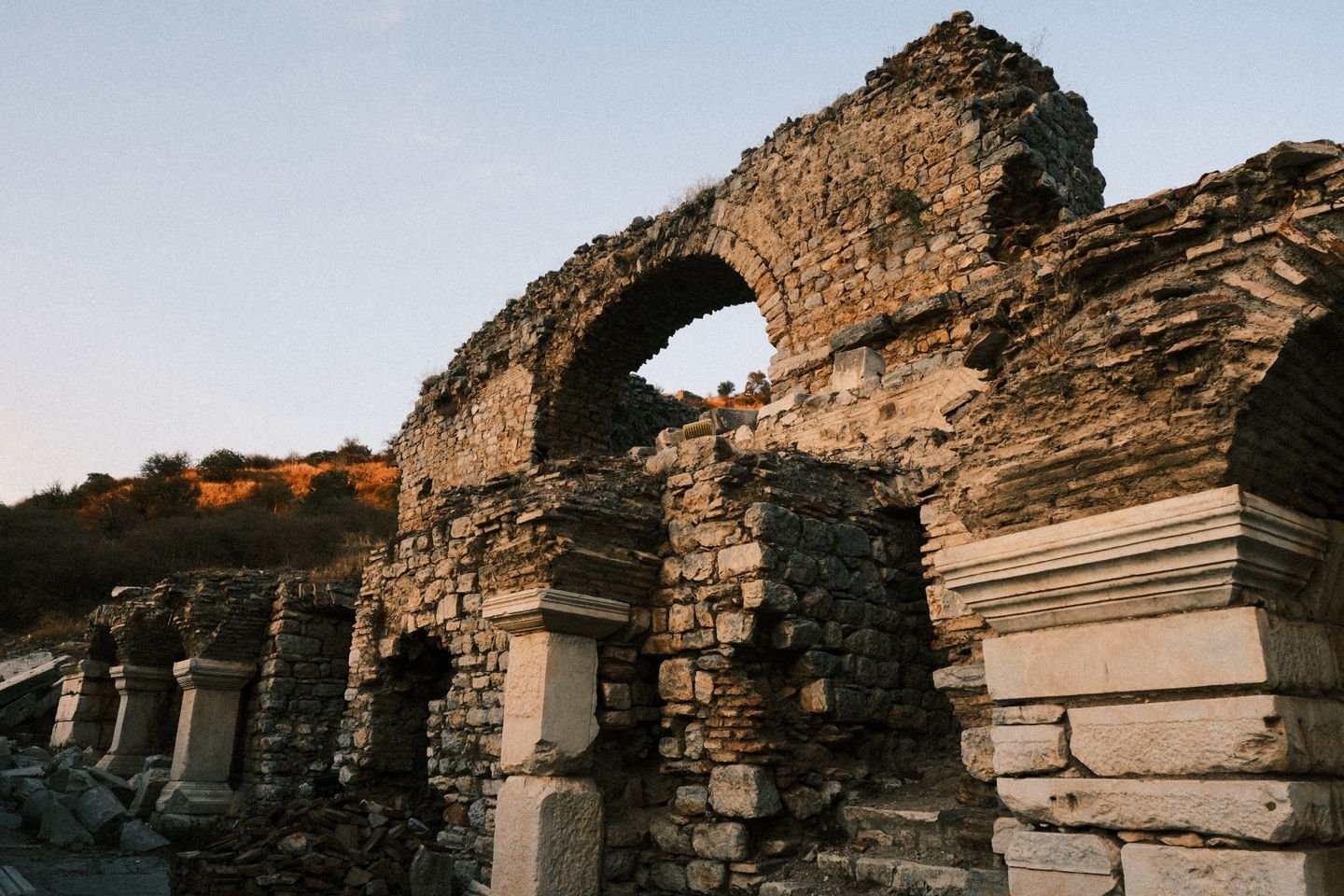
Some words describe damage, and others describe the end of a thing. Destroyed belongs to the second kind: it names what cannot be patched, glued, or coaxed back into use. The Merriam-Webster definition of destroyed covers things ruined, torn down, and done away with completely — and the similes for destroyed in this collection follow that finality into fallen cities, burned forests, and ruined dreams.
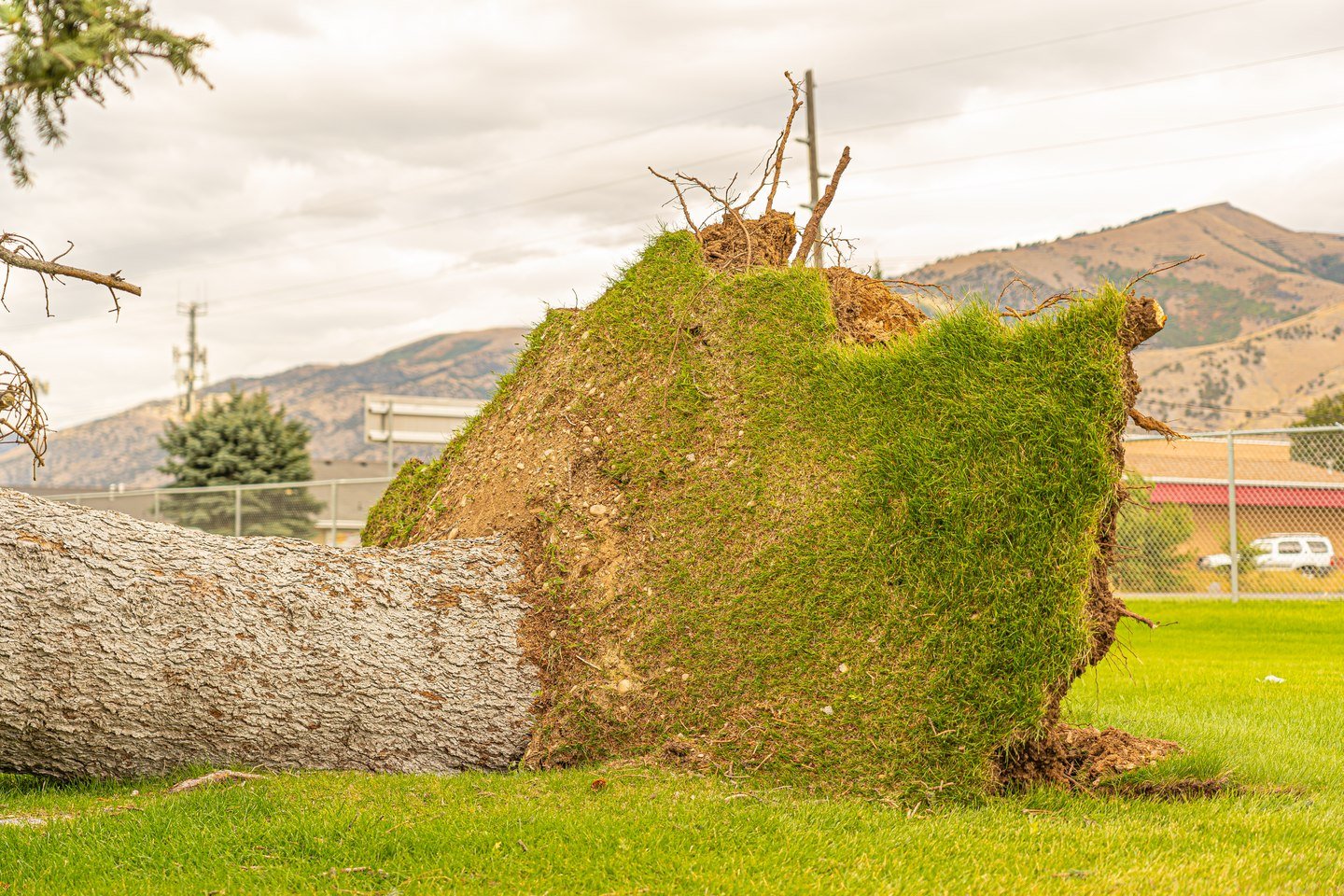
Writers reach for destroyed when broken is simply not strong enough. You can replace a cracked window by Friday, but a street of doors opening onto rubble tells the reader that a whole way of life ended in that place — and that nobody is coming to repair it.
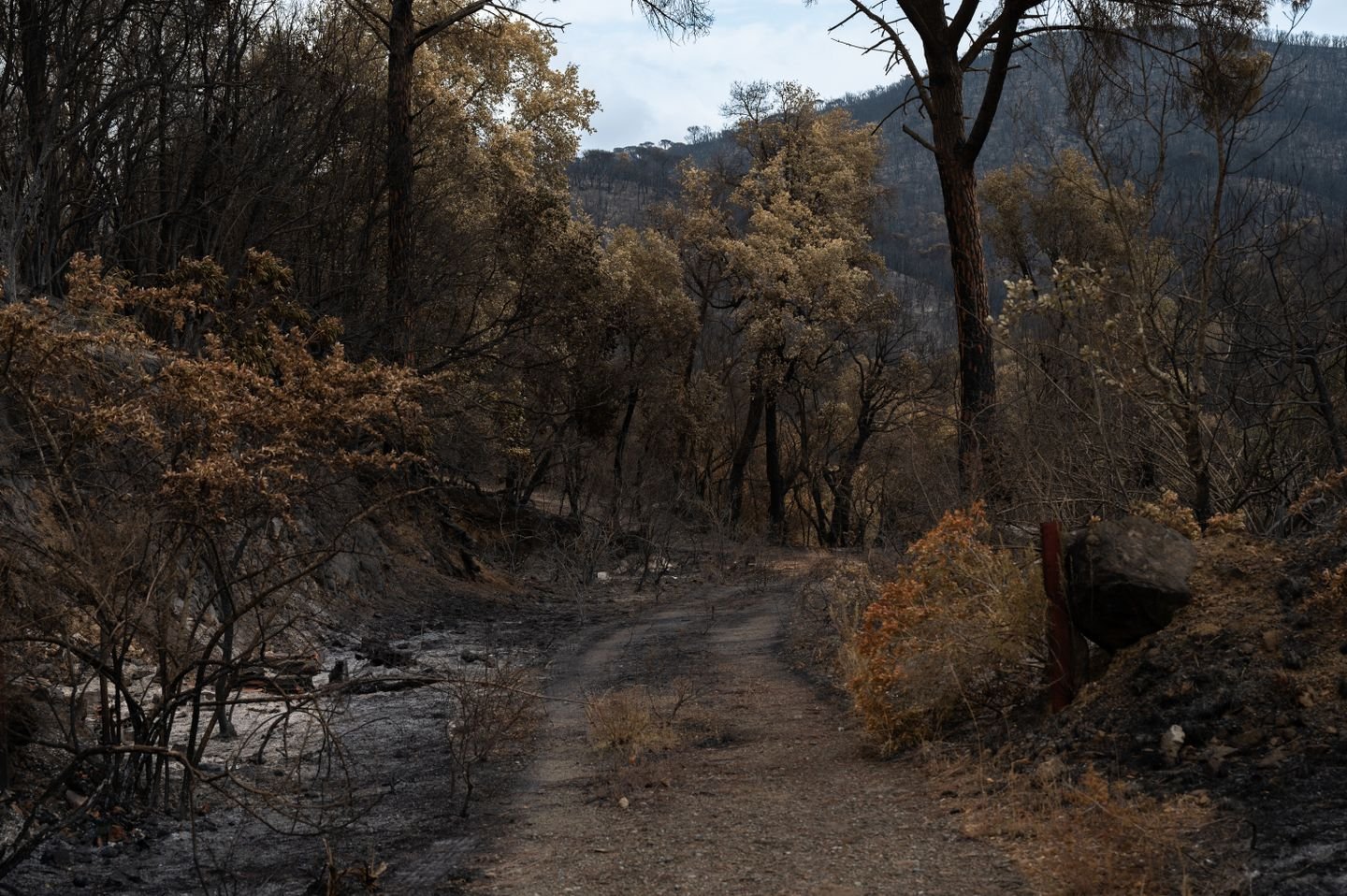
Below you will find 45 similes for destroyed in five groups — destroyed places and buildings, destruction by storms and fire, destroyed hopes and dreams, destroyed nature and land, and things ruined utterly beyond repair. Moreover, every simile comes with a plain meaning, so you can choose the exact scale of loss your sentence needs.
Choose the destroyer as carefully as the damage: fire for what vanished in minutes, flood for what was overwhelmed, and slow crumbling for what time itself undid. And when the loss is a tangled situation rather than a total ruin, see our similes for problems as well.

Destroyed Places and Buildings
First, begin with places: cities, castles, and homes that stood for generations and then, in a day or a season, vanished. They also serve for communities and companies — anywhere a whole world can disappear at once.
Like a city leveled by an earthquake
Nothing left standing; a whole world of streets and homes flattened in minutes.
Like a castle crumbled into the hillside
Once proud and defended, now only loose stones rolled down a slope.
Like a cathedral with its roof burned away
A grand place left open to the sky, its heart exposed to the rain.
Like a house swallowed by the sea
A home the water claimed completely, leaving not even a doorstep behind.
Like a bridge dropped into the river
The crossing is gone, and the two banks are strangers to each other again.
Like a library after the fire
Shelves of gray ash where centuries of knowledge used to wait for readers.
Like a wall with nothing left behind it
A brave face of brick still guarding rooms that no longer exist.
Like a tower felled by its own weight
Something that stood for ages, brought down at last in one final collapse.
Like a street of doors opening onto rubble
Every doorway leads nowhere, because the homes behind them are gone.
Destruction by Storms and Fire
Storms and fire destroy at speed, and they do not negotiate. For example, use these similes when your scene needs force and suddenness, and the helpless feeling of watching something vanish too fast to save.
Like a forest after the wildfire
Blackened trunks and drifting ash where a green world stood yesterday.
Like a ship torn apart on the rocks
Torn apart by the storm into pieces the sea carries away.
Like a town erased by the flood
The water came, took everything, and left only mud and silence.
Like a harvest flattened by hail
A whole season of work beaten into the ground in one afternoon.
Like a roof lifted clean off by the wind
The storm did not knock or ask; it simply took the top of the house.
Like a lighthouse drowned by the wave
Even the strongest warning light, swallowed whole by the sea.
Like paper thrown into the fire
Gone in seconds, with nothing left to rescue or read.
Like a coastline redrawn overnight
The storm moved the shore itself, so the maps no longer match the land.
Like a barn struck by lightning
One flash, one fire, and years of work are standing in ashes by morning.
Destroyed Hopes and Dreams
However, not all ruins are made of stone. One letter, one verdict, or one season of bad luck can destroy hopes and dreams quietly — and these similes carry that inner collapse.
Like a castle built on sand at high tide
A dream given every effort except the one thing it needed: a place to stand.
Like a letter burned before it was sent
Words of hope destroyed before they could change anything.
Like a garden trampled by an army
Tender, careful plans crushed under boots that never even noticed them.
Like a star that fell before the wish was finished
Hope that vanished in the very middle of being believed in.
Like a bridge burned behind the traveler
No way back to the dream; even the road home is gone.
Like a kite shredded by the storm
A small, bright hope torn apart by weather it was never built to survive.
Like a candle drowned in the rain
A fragile dream put out by the world, not given up by its owner.
Like a map torn up at the start of the journey
The plan destroyed before a single hopeful step could be taken.
Like a song erased from every record
A dream so completely lost that no proof it ever existed remains.
Destroyed Nature and Land
Land remembers the damage. In addition, these similes describe how water, blade, poison, and pavement destroy nature — losses that span centuries rather than days.
Like a river poisoned at its source
The whole stream ruined from the very first drop downstream.
Like a meadow paved over for a road
Wild beauty buried under concrete, never to bloom in that place again.
Like a coral reef bleached white
A living city under the sea, emptied of its color and its life.
Like a forest cut to the last tree
Not thinned but finished; only the stumps remember the shade.
Like a lake drained to cracked mud
Water, fish, and reflections all gone, leaving a broken bowl of earth.
Like a mountain blasted into a quarry
An ancient peak reduced to gravel and dust, one explosion at a time.
Like a garden left to the locusts
Every green and growing thing eaten down to the bare stem in a day.
Like a glacier melted into the sea
Ice older than nations, gone into the water within a single lifetime.
Like soil washed into the river
The land itself carried away, leaving bare rock that grows nothing.
Utterly Ruined Beyond Repair
Finally, we reach the end of the scale: total ruin, where even the pieces are gone. Reach for these only when your story truly has no way back.
Like a statue hammered into gravel
A face and form that took years to carve, undone in a single hour.
Like a language with no speakers left
A whole way of seeing the world, gone without an echo anywhere.
Like a photograph burned to a curl of ash
The memory itself destroyed; nothing left for anyone to look at.
Like a kingdom with its name struck from the maps
Erased so fully that later ages doubt it ever existed at all.
Like a piano dropped from the roof
Music, craft, and polished wood destroyed in one pointless fall.
Like a watch smashed under a boot
Every tiny gear bent out of shape; time itself stopped for good.
Like a seed ground into flour
The future plant destroyed before it could ever push through the soil.
Like a library dissolved in the flood
Pages, ink, and ideas washed away into unreadable pulp.
Like a mirror melted in the furnace
Not shattered but unmade, returned to sand and fire and nothing.
Bonus: How Much Destruction? A Scale from Damaged to Destroyed
Writers often grab the strongest word first, but destruction has levels, and readers trust a writer who climbs them honestly. In addition, use this ladder to place your scene on the right rung — each level carries its own kind of simile.
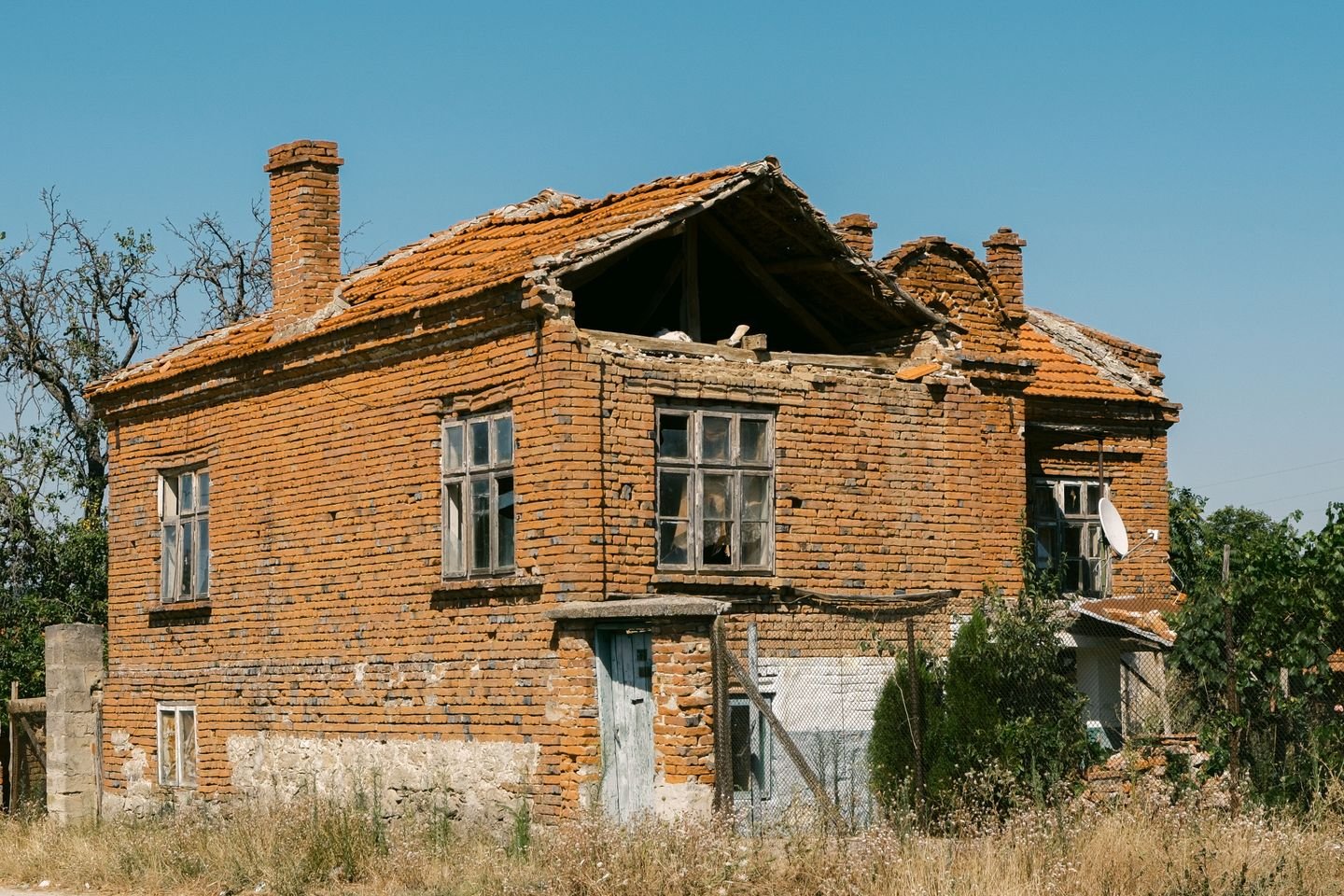
Damaged — hurt, but still working. A car with a dented door still drives; a flawed plan can still be saved. Similes on this rung stay small, like a shoe with a worn sole.
Cracked — split, but still holding. The damage shows, and it spreads if everyone ignores it: like ice on a pond in late winter, beautiful and dangerous at once.
Broken — in pieces, but the pieces still exist. Glue, time, or money might yet restore it: like a chair snapped clean at one joint.
Wrecked — battered past any easy repair. It still resembles what it was, but nobody would trust it again: like a car after the crash, folded around its engine.
Destroyed — gone as the thing it was. The pieces themselves are lost, burned, or washed away: like a street of doors opening onto rubble.
Annihilated — beyond destroyed, where even the memory is under attack. Names struck from maps and languages with no speakers left live here; use this rung rarely.
Most scenes live on the middle rungs. Therefore, save the top of the ladder for true endings, and it will shake the reader every time.
Quick Reference: 10 Similes for Destroyed at a Glance
Need one fast? For instance, this table matches ten of the strongest destroyed similes to the losses they describe best.
| Simile | What It Describes |
|---|---|
| Like a city leveled by an earthquake | Total, sudden loss of a place or a whole community |
| Like a library after the fire | Knowledge, work, or history lost forever |
| Like paper thrown into the fire | Something destroyed in seconds, far beyond rescue |
| Like a castle built on sand at high tide | A dream built with no foundation under it |
| Like a bridge burned behind the traveler | A loss or decision with no way back |
| Like a river poisoned at its source | Damage that ruins everything downstream of it |
| Like a forest cut to the last tree | Nature or resources completely used up |
| Like a statue hammered into gravel | Deliberate destruction of something made with care |
| Like a seed ground into flour | A future destroyed before it could ever begin |
| Like a mirror melted in the furnace | Something unmade entirely, not merely damaged |
How to Use Destroyed Similes in Writing
First, match the destroyer to the loss. Fire suits what vanished in minutes, flood suits what overwhelming force swept away, and slow crumbling suits what neglect and time undid over years. In short, the cause quietly tells the reader how the loss happened.
Next, place your strongest destroyed simile at the point of no return — the moment the character sees the ruin, reads the letter, or hears the verdict. Destroyed images mark the line after which the story cannot go back, so give them that position of honor.
Then, show the thing whole before you destroy it. One earlier line about the busy street, the green valley, or the hopeful plan doubles the weight of the ruin, because readers grieve for something they saw alive.
Finally, use destroyed sparingly. It is the heaviest word on the damage scale, and spending it on small setbacks empties it for the real catastrophe. One true ruin per scene, described well, outweighs a chapter of exaggerated disasters.
Common Mistakes to Avoid with Destroyed Similes
In fact, destroyed is such a strong word that writers spend it too cheaply. Watch for these five traps.
Calling every damaged thing destroyed
A scratched phone screen is damaged, not destroyed, and readers know the difference. Inflating every setback trains readers to discount your real catastrophes. Run the repair test: if you could plausibly fix the thing, choose a milder image and save destroyed for the true end.
Destroying something and then quietly repairing it
If a writer destroys a hope in chapter three and patches it up in chapter five, the word was a lie, and the reader feels cheated. Finality is the entire point of destroyed. If the thing returns later, it only shook or broke, never collapsed completely, so pick humbler images from the start.
Stacking catastrophe on top of catastrophe
A city leveled, a forest burned, and a kingdom erased in one paragraph do not triple the grief; they numb it. Total ruin needs space around it to land. Keep one great ruin per scene, then add a single small detail — one standing chimney, one unburned book — and let the contrast do the work.
Choosing the wrong destroyer for the scene
An earthquake simile promises speed, so it misleads in a story about a business dying slowly over ten years. A fire image insults a loss that neglect really caused. Therefore, match the tempo and the cause: quakes and flames for the sudden, floods for the overwhelming, crumbling for the slow.
Forgetting the people inside the ruin
Destroyed places stay abstract until a person stands in them, because readers grieve for people, not for square footage. For example, always anchor the ruin to a life: who lived in that house, who planted that garden, who is picking through the rubble looking for one photograph.
Frequently Asked Questions
What is a simile for destroyed?
A simile for destroyed compares something ruined to a totally wrecked thing using like or as. For example, a town after a disaster can resemble a city leveled by an earthquake: nothing is merely damaged, because no usable thing still stands.
What is the difference between broken and destroyed?
Broken means in pieces, and you can often gather and repair the pieces. Destroyed means gone as the thing it was: you might glue a broken chair by evening, but a destroyed chair is firewood and ash. Therefore, choose destroyed only when there is no honest way back.
What is a good simile for something destroyed by fire?
For speed, use like paper thrown into the fire, gone in seconds. In contrast, for a sadder loss, use like a library after the fire, where the shelves still stand but everything they held is ash. The first suits sudden shocks; the second, grief discovered afterward.
How do I describe a place that is completely destroyed?
Combine scale with one surviving detail. Show the whole loss first — like a street of doors opening onto rubble — then narrow to a single thing that remains, such as one chimney or one gate. The survivor makes the destruction measurable, and far sadder, than a general description.
Can destroyed similes describe feelings and dreams?
Yes, and they are powerful there, as long as the finality is honest. For example, a hope can be like a castle built on sand at high tide when it has no foundation left. But if the dream later recovers, it only shook, not collapsed, and lighter images serve better.
Final Thought
Destroyed is the last word on the damage scale, and that is exactly its power. Used honestly — for the city nobody will rebuild, the dream with no road home, the forest centuries shaped — a single destroyed simile tells the reader that this loss is permanent, and makes them feel its full weight. Save the word for true endings, and it will never fail you.

The PublishScales Editorial Team researches and writes clear, original guides to similes and figurative language.


