
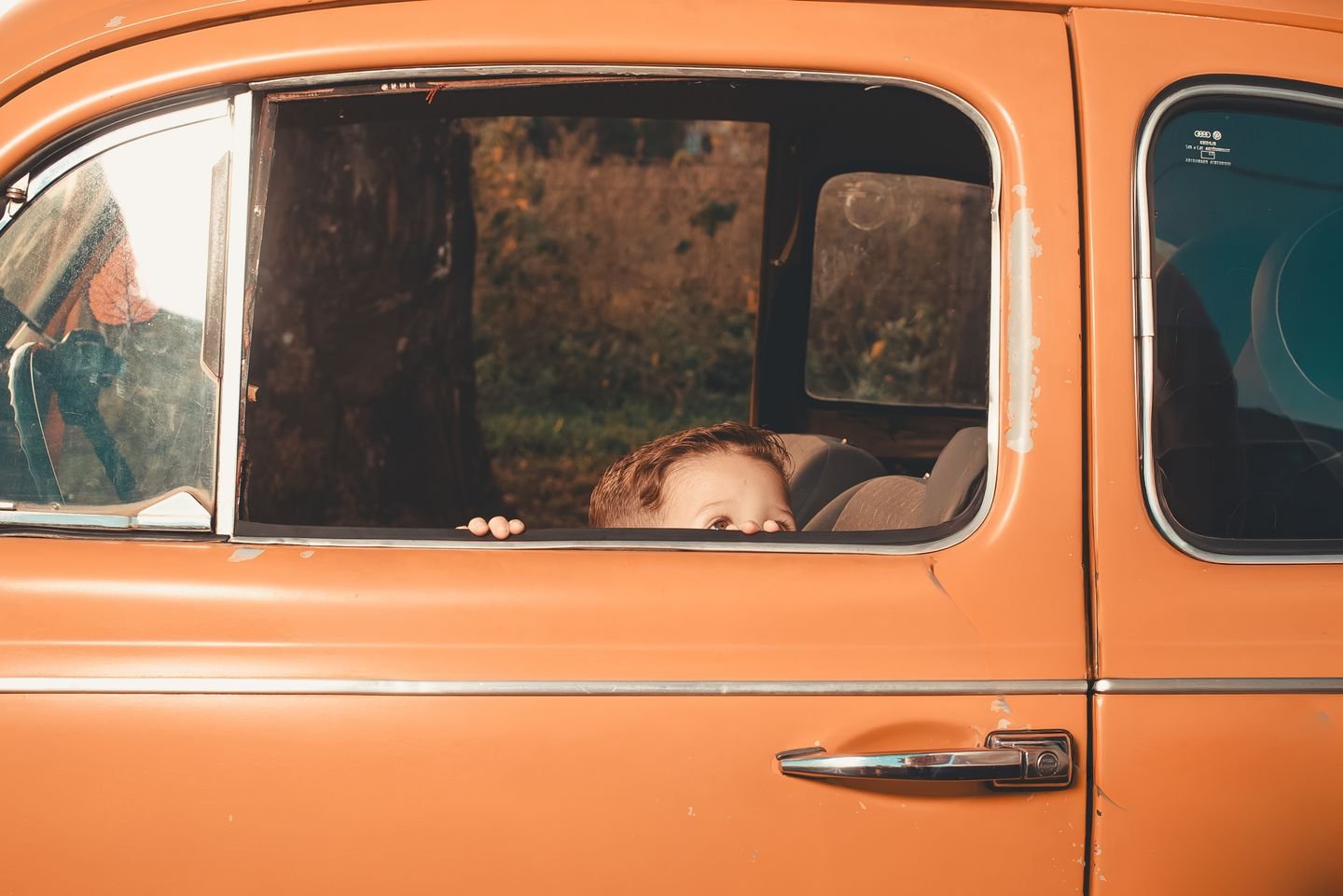
Curiosity is the quiet engine behind every discovery, every question, and every opened door. The Merriam-Webster definition of curious describes it as a desire to investigate and learn — and the similes for curious in this collection follow that desire into classrooms, gardens, detective stories, and other people’s business.
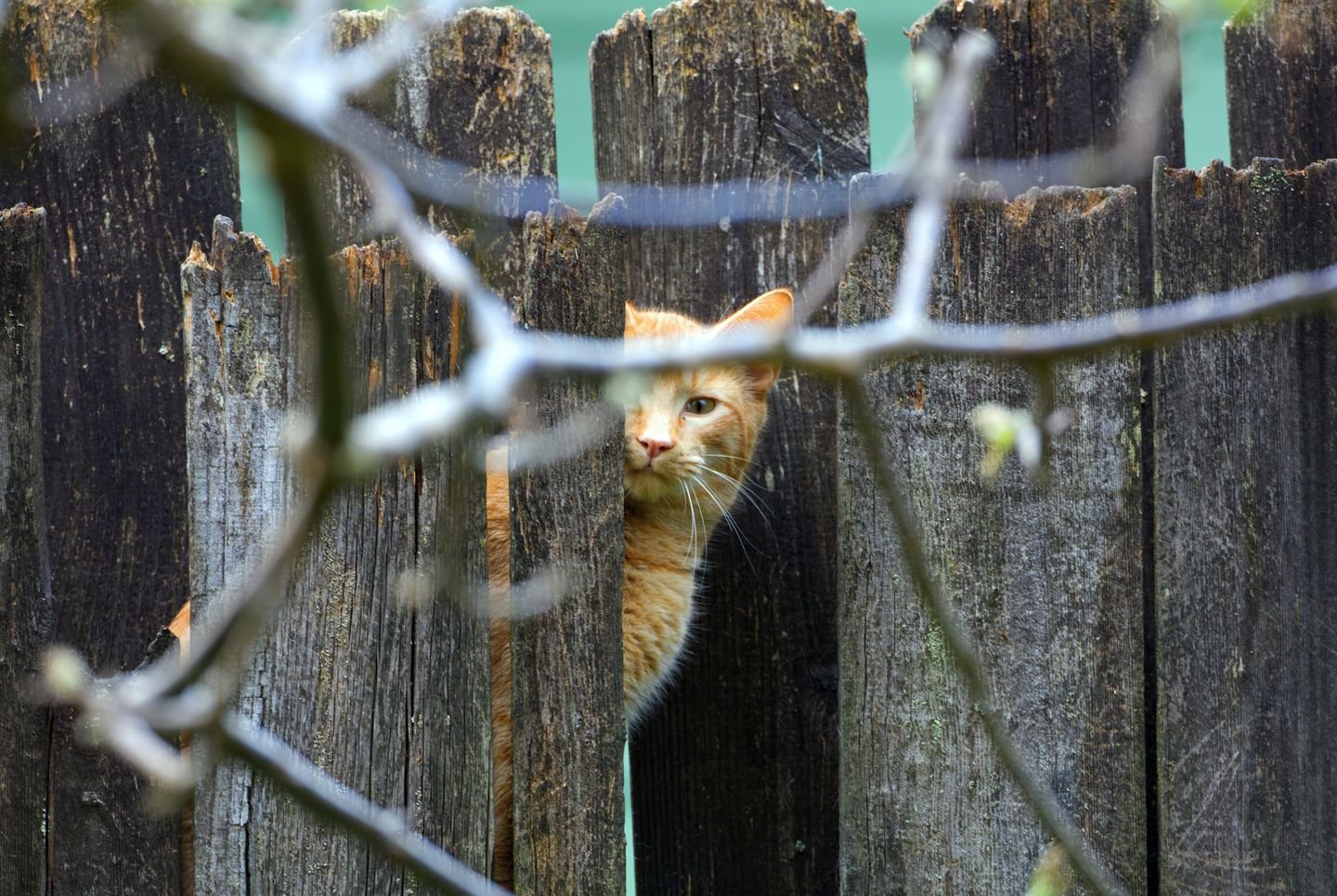
Writers reach for curious similes because plain curiosity is nearly invisible. Saying a character was curious tells the reader almost nothing, but saying she was like a child standing on tiptoe at the fence shows the straining, the wanting, and the thing just out of reach, all in one picture.
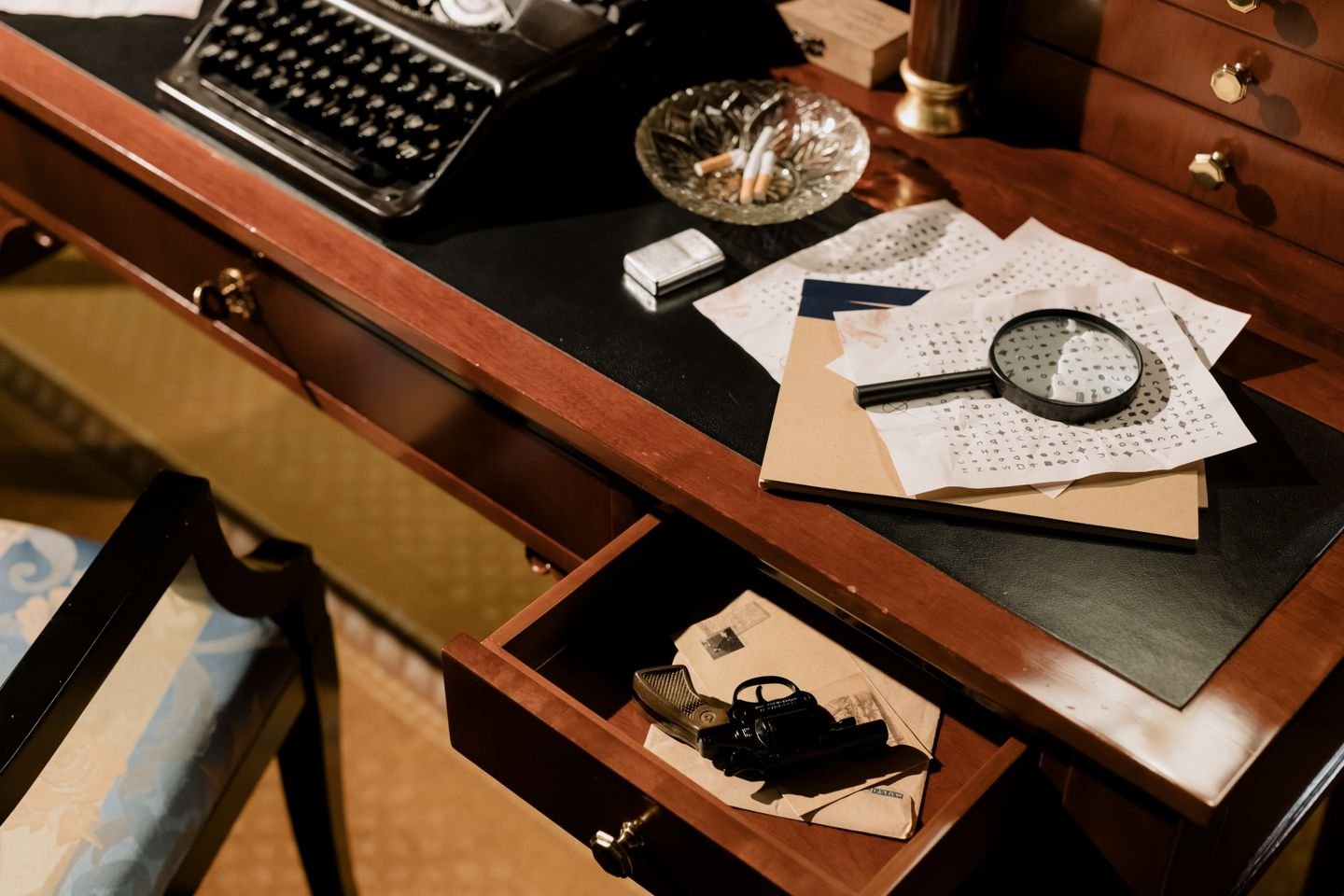
Below you will find 45 similes for curious in five groups — curious children, a curious mind, nosy curiosity, curious animals, and curiosity in mystery and stories. Every simile comes with a simple meaning, so you can choose the exact temperature of curiosity your sentence needs: warm wonder, sharp thinking, or full-blown snooping.
Match the simile to the secret: a wrapped present for innocent impatience, an ear at the wall for the kind that should mind its own business. And remember that curiosity almost always ends in a question, so when your characters start asking, see our similes for asked as well.

Curious Children
Children are curiosity in its purest form: no embarrassment, no filter, just one question after another. These similes fit young characters, and any adult who never quite grew out of asking why.
Like a toddler asking why for the hundredth time
A small child’s endless questions, where every answer gives birth to another question.
Like a kid peeking through their fingers at a scary scene
Wanting to look and afraid to look at exactly the same moment.
Like a child shaking a wrapped present
Desperate to know what is inside long before the moment it may be opened.
Like a little explorer with a flashlight under the bed
Brave curiosity hunting for monsters and treasures in the dark.
Like a baby reaching for anything shiny
Pure curiosity with no caution at all, drawn to whatever catches the light.
Like a student who reads the last page of the book first
Unable to wait for the ending to arrive in its proper order.
Like a child standing on tiptoe at the fence
Straining to see over every barrier between them and the interesting thing.
Like a youngster following a trail of cookie crumbs
Drawn forward crumb by crumb, quite unable to stop halfway.
Like a kid at the keyhole the night before the party
Sneaking one small look at a surprise that was meant for later.
A Curious Mind
Some curiosity lives in the head rather than the hands. These similes describe thinkers, scientists, readers, and lifelong learners whose questions are aimed at how the world works.
Like a scientist staring at a result that should not exist
Curiosity sparked by something that breaks the rules of what was expected.
Like a mind with a thousand open tabs
Jumping from question to question, every answer opening three new doors.
Like a gardener digging down to find the root
Never satisfied with the surface; determined to see where things begin.
Like an old professor who still raises his hand
A lifetime of knowledge that never stopped asking questions.
Like a traveler reading every sign in a strange town
Treating the whole world as a book that was written to be read.
Like a clockmaker opening the back of a watch
Curious about how things work on the inside, not just what they do.
Like a reader who can never stop at just one chapter
Every ending pulls the mind forward into the next beginning.
Like a detective of everyday things
Noticing the small details that everyone else walks straight past.
Like a spark that keeps catching on new paper
An idea that jumps and spreads, lighting question after question.
Nosy Curiosity
Curiosity turns nosy the moment it aims at other people’s private lives. These similes carry a wink or a warning — use them for snoops, gossips, and neighbours who know too much.
Like an ear pressed flat against the wall
Curiosity aimed at secrets that were never meant for those ears.
Like a neighbor peeking through the blinds
Watching other people’s lives from behind a curtain of pretend innocence.
Like fingers scrolling through someone else’s phone
Curiosity that has quietly crossed the line into snooping.
Like a gossip leaning in closer at the table
Hunger for private news dressed up as friendly interest.
Like someone reading a letter over your shoulder
Quietly stealing information that was never offered to them.
Like an aunt counting the gifts at a wedding
Interest that is really measurement, wrapped in a beaming smile.
Like a mosquito at the screen door
Persistent, annoying curiosity that keeps coming back for more.
Like a magpie gathering other people’s shiny secrets
Collecting private details the way the bird collects bright objects.
Like a cat pawing at every closed drawer
Prying into spaces simply because they were shut.
Curious Animals
Animals cannot ask questions, so their curiosity shows in paws, noses, and whiskers. These similes borrow that body language for any character who explores first and thinks later.
Like a cat squeezing into an empty box
Irresistible curiosity about any new space, however small or plain.
Like a puppy sniffing every corner of a new home
Exploring a whole world nose first, one smell at a time.
Like a raccoon turning a lid over in its paws
Clever, patient curiosity examining a problem from every side.
Like a monkey reaching for the keeper’s keys
Curiosity mixed with mischief, aimed straight at freedom.
Like an octopus unscrewing a jar from the inside
Patient, intelligent curiosity solving puzzles other animals abandon.
Like a fox circling a strange sound in the snow
Careful curiosity, listening hard before daring to pounce.
Like a goat tasting the grass beyond the fence
Determined to know the world on the other side of every boundary.
Like a crow flipping over a shiny bottle cap
Testing and turning an object until its secrets give way.
Like a kitten chasing a laser pointer’s red dot
Chasing a mystery that vanishes every single time it is caught.
Curiosity in Mystery and Stories
Every mystery begins with someone who cannot leave a clue alone. These similes suit detectives, journalists, and storybook heroes whose curiosity starts the plot — and sometimes the trouble.
Like a detective kneeling by a single footprint
One small clue is enough to pull an entire mind into the case.
Like a reader trapped in a locked-room mystery
Haunted by a puzzle that seems impossible until the final page.
Like Alice stepping through the looking glass
Curiosity strong enough to walk into an entirely upside-down world.
Like a flashlight beam moving through a dark attic
Curiosity that reveals one small circle of truth at a time.
Like Pandora lifting the forbidden lid
The oldest warning of all: the one look that lets every trouble loose.
Like a treasure hunter hearing the detector’s first beep
The moment curiosity turns into certainty that something lies buried nearby.
Like a journalist scenting a story in one odd fact
Professional curiosity following the single detail that does not fit.
Like a storybook child told to stop asking questions
The hero whose curiosity starts the adventure everyone remembers.
Like a moth circling a porch light full of secrets
Drawn to the hidden truth even when everyone warns it away.
Bonus: Curious vs Nosy: Picking the Right Tone
Curious and nosy are the same engine pulling in two directions, and readers feel the difference instantly. Before you choose a simile, check which side of the line your character stands on.
Warm curiosity (aimed at the world): Use bright, open images when the character wants to learn, build, or discover: a child on tiptoe at the fence, a clockmaker opening a watch, a flashlight beam in the attic. The feeling is wonder, and the reader roots for the looking to succeed.
Nosy curiosity (aimed at people): Use hidden, sideways images when the target is someone’s private life: an ear at the wall, eyes through the blinds, fingers on someone else’s phone. The feeling is intrusion, and the reader waits for the snoop to be caught.
The quick test: Ask three questions. What is the curiosity aimed at — things or people? Is the door open or closed? And will the character learn something, or just tell something? Two answers pointing at people and closed doors mean your simile belongs on the nosy shelf, however sweet the character seems.
Quick Reference: 10 Similes for Curious at a Glance
Need one fast? This table matches ten of the most useful curious similes to the situations they describe best.
| Simile | What It Describes |
|---|---|
| Like a toddler asking why for the hundredth time | A child’s endless chain of questions |
| Like a child standing on tiptoe at the fence | Straining to see something just out of reach |
| Like a mind with a thousand open tabs | A thinker chasing many questions at once |
| Like a clockmaker opening the back of a watch | Wonder about how things work inside |
| Like an ear pressed flat against the wall | Listening for secrets never meant for you |
| Like a neighbor peeking through the blinds | Quietly watching other people’s lives |
| Like a cat squeezing into an empty box | An animal’s urge to explore any new space |
| Like an octopus unscrewing a jar from the inside | Patient, clever, problem-solving curiosity |
| Like a detective kneeling by a single footprint | A mystery that begins with one small clue |
| Like Alice stepping through the looking glass | Curiosity leading into a strange new world |
How to Use Curious Similes in Writing
First, decide what kind of curiosity your scene holds. A child unwrapping secrets, a scientist chasing an anomaly, and a neighbour chasing gossip are curious in completely different ways, so pick the image that matches the motive, not just the behaviour.
Next, let the simile hint at what the curiosity will cost or earn. A flashlight beam promises discovery, while Pandora’s lid warns of trouble; the image you choose quietly tells the reader whether to hope or to worry.
Then, place your strongest curious simile at the moment of the question — the pause at the door, the look over the fence, the hand hovering over the lid. Curiosity is a forward lean, and the simile lands hardest exactly where the character leans.
Finally, give the curiosity something to do. A simile works when the character acts on it in the next breath: peeking, opening, following, asking. Curiosity that only sits and wonders reads as decoration; curiosity that moves becomes plot.
Common Mistakes to Avoid with Curious Similes
Curious is a friendly word, which is exactly why writers use it carelessly. Watch for these five traps.
Reaching for the cat every single time
Curiosity killed the cat is the first image everyone finds, so it arrives worn out before your sentence even starts. It fails because readers skip past it without feeling anything. Fix it by borrowing a fresher animal: an octopus solving a jar, a crow testing a bottle cap, a fox listening under the snow.
Mixing sweet wonder with creepy snooping
A character who is like a baby reaching for something shiny in one line and like an ear at the wall in the next feels like two different people. Decide whether the curiosity is innocent or intrusive, then keep every image in the scene on the same side of that line.
Asking questions but never acting
Curious characters who only wonder out loud stall the story, because curiosity is a verb in disguise. If your simile shows a lean, a peek, or a reach, the next sentence should complete the movement — curiosity that never acts reads as a label, not a trait.
Calling innocent wonder nosy
Nosy similes carry judgement. Hang one on a sweet child or an honest scientist and readers will dislike a character you meant them to love. Save ears, blinds, and shoulders for characters whose curiosity truly invades, and give the innocent the fences, flashlights, and wrapped presents.
Stacking three curious images in one paragraph
A toddler, a cat, and a detective in five lines do not triple the curiosity — they blur it. Each simile points at a different kind of wanting, so the reader cannot settle into any of them. Choose the single image that fits the motive, give it room, and cut the rest.
Frequently Asked Questions
What is a simile for curious?
A simile for curious compares someone’s desire to know to a familiar picture of wanting, using like or as. For example, a child can be like a toddler asking why for the hundredth time: the answer matters less than the asking.
What is a good simile for a curious child?
One of the most loved is like a child standing on tiptoe at the fence, because it shows the whole body straining toward whatever is just out of sight. For questions that never stop, the toddler asking why for the hundredth time is hard to beat.
What is the difference between curious and nosy?
Curiosity aims at the world — how things work, what lies over the hill, what the clue means. Nosiness aims at people — their letters, their gifts, their private business. The quick test is the door: curiosity knocks, nosiness peeks through the keyhole.
Why is curiosity so often compared to a cat?
Cats explore everything with paws and whiskers, squeeze into every box, and investigate every sound, so they became the animal emblem of curiosity. The old proverb about curiosity killing the cat adds the warning that looking can be dangerous.
What is the difference between a simile and a metaphor for curious?
A simile compares with like or as — she was like a flashlight beam in a dark attic. A metaphor skips the comparison word and states the thing directly — she was a flashlight beam in a dark attic. Similes feel lighter and clearer; metaphors feel bolder and more poetic.
Final Thought
Every question ever asked began as a small itch of curiosity. The writer’s job is to show that itch honestly — the tiptoe at the fence, the hand on the lid, the ear that should not be at the wall. Pick the image that matches the motive, and your reader will lean forward with your character, curious to the very last line.

The PublishScales Editorial Team researches and writes clear, original guides to similes and figurative language.


