

Immobility is the moment when movement stops altogether. Feet will not step, wheels will not turn, and even time seems to hold its breath. Plain words, however, can only report that moment, while similes for immobility let the reader feel it, by comparing the frozen person or object to ice, stone, roots or a stalled engine. The Merriam-Webster definition of immobile describes it as incapable of being moved and fixed in place, and a good simile turns that dry definition into a picture that stays in the mind.
Immobility is close to stillness, but it is not quite the same thing. Our guide to similes for still covers the calm, chosen kind of not moving, like a resting cat or a quiet room. In short, immobility is the forced kind: the body or object cannot move even when it wants to, held in place by fear, weight, ice or shock.
Below you will find 45 original similes for immobility, grouped by the force that causes the freeze, each with a clear meaning and an example sentence to show exactly how it works in real writing.
Frozen in Place
These similes capture the sudden, total stop: something that should move, but does not.
- As still as a frozen lake in midwinter. Meaning: completely motionless, locked under a calm, icy surface. Example: When the alarm rang, he stood as still as a frozen lake in midwinter.
- Like a clock with a dead battery. Meaning: stopped suddenly, as if the power had run out. Example: Her legs felt like a clock with a dead battery; no effort could restart them.
- Like a film paused on a single frame. Meaning: caught in the middle of an action and held there. Example: When the lights failed, the crowd stood like a film paused on a single frame.
- As still as ice on a windless pond. Meaning: not even the smallest ripple of movement anywhere. Example: The old dog lay as still as ice on a windless pond, too stiff to rise.
- Like a car stalled in deep snow. Meaning: willing to go, but the wheels find no grip. Example: He pushed at the gate like a car stalled in deep snow, moving not an inch.
- As unmoving as a photograph on the wall. Meaning: fixed in one pose, flat and unable to change. Example: She sat as unmoving as a photograph on the wall while others packed.
- Like a swing hanging on a windless day. Meaning: built to move, yet hanging without the slightest sway. Example: His arms hung like a swing on a windless day, heavy and still.
- As fixed as a nail frozen in ice. Meaning: held fast, impossible to pull free by hand. Example: After the blizzard, her boots were as fixed as nails frozen in ice.
- Like a computer screen that has frozen. Meaning: stopped mid-task, unresponsive to every command. Example: My mind blanked like a computer screen that has frozen; my feet refused every order.
Stone, Statues and Roots
Stone, statues and roots are the oldest pictures of not moving, and the most permanent.
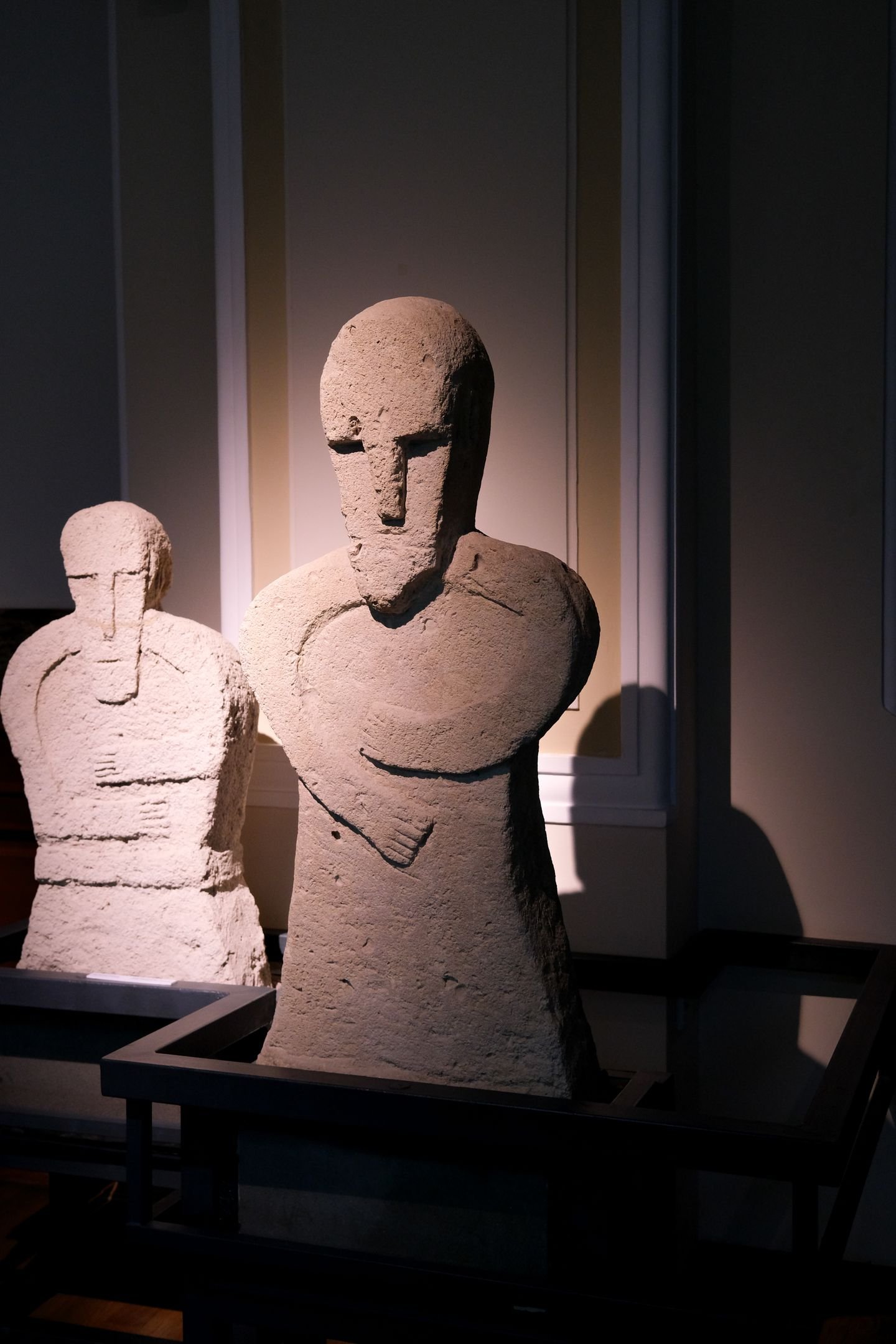
- As motionless as a statue in a museum hall. Meaning: perfectly still, as if carved from stone. Example: The guard stood as motionless as a statue in a museum hall throughout the ceremony.
- Like a tree rooted to the spot. Meaning: held to the ground as if growing out of it. Example: Fear kept her like a tree rooted to the spot after the others ran.
- As stiff as a stone pillar. Meaning: rigid throughout, unable to bend or shift. Example: After the cold march, his body felt as stiff as a stone pillar.
- Like roots gripping the frozen earth. Meaning: anchored deep below the surface, refusing to let go. Example: Her feet were like roots gripping the frozen earth; she could not step at all.
- As unmovable as a boulder on a mountainside. Meaning: too heavy and settled for any force to shift. Example: The fallen beam lay as unmovable as a boulder on a mountainside across the doorway.
- Like a carved figure on a tomb. Meaning: still in the deep, permanent way of stone artwork. Example: At last he slept like a carved figure on a tomb, without stirring all night.
- As firm as an oak anchored in rock. Meaning: planted too deeply for wind or weather to budge. Example: The old gate stood as firm as an oak anchored in rock, rusted shut for years.
- Like a fossil locked in stone. Meaning: preserved in one place, untouched and unable to move for ages. Example: The ancient fish lay like a fossil locked in stone for millions of years.
- As planted as a fence post set in concrete. Meaning: put in place deliberately and meant to stay there. Example: She remained as planted as a fence post set in concrete, ignoring every call to move.
Stuck and Trapped
Sometimes the problem is not stillness but struggle: effort is spent, yet nothing shifts.
- Like a fly in hardened amber. Meaning: caught and preserved, unable to wriggle free. Example: In the traffic jam, we sat like flies in hardened amber for three hours.
- As stuck as a boot in thick mud. Meaning: every attempt to move pulls you back to the same spot. Example: He was as stuck as a boot in thick mud, sinking deeper with each try.
- Like a key snapped off in a lock. Meaning: jammed in place, blocking the way it should turn. Example: The drawer sat like a key snapped off in a lock, refusing to open or close.
- As trapped as a mouse under a glass. Meaning: able to see freedom, yet unable to reach it. Example: Under the fallen shelf, the cat waited as trapped as a mouse under a glass.
- Like a car with its wheels spinning in sand. Meaning: great effort, but no forward movement at all. Example: He strained like a car with its wheels spinning in sand, yet the crate never budged.
- As wedged as a cork in a bottle neck. Meaning: squeezed tight in a narrow space, stuck fast. Example: The suitcase was as wedged as a cork in a bottle neck between the two seats.
- Like an elevator stuck between floors. Meaning: suspended in place, going neither up nor down. Example: Her career felt like an elevator stuck between floors, waiting for rescue.
- As pinned as a butterfly in a display case. Meaning: held flat and fast by a single point of pressure. Example: The wrestler lay as pinned as a butterfly in a display case.
- Like a boat frozen into the harbour ice. Meaning: built to sail, yet locked in one place for the whole season. Example: All January, the ferry sat like a boat frozen into the harbour ice.
Frozen by Fear or Shock
Fear can switch the body off in an instant; these similes describe that unwilling freeze.
- As frozen as a deer in headlights. Meaning: stopped by shock, staring and unable to act. Example: When the teacher called her name, she stayed as frozen as a deer in headlights.
- Like a child who has just seen a ghost. Meaning: halted mid-step by a sudden, frightening sight. Example: He stopped in the doorway like a child who has just seen a ghost.
- As still as a mouse under the shadow of a hawk. Meaning: motionless because any movement feels dangerous. Example: She stayed as still as a mouse under the shadow of a hawk until the argument passed.
- As paralysed as a bird before a snake. Meaning: held by a terror that quietly switches the body off. Example: He watched the great wave rise, as paralysed as a bird before a snake.
- Like a hand stopped inches from a hot stove. Meaning: halted at the last moment by a sudden warning from the senses. Example: She reached for the letter, then stopped like a hand inches from a hot stove.
- Like a dreamer who cannot run. Meaning: legs heavy and useless at the very moment of danger. Example: In the nightmare he fled like a dreamer who cannot run.
- Like a horse that has scented a wolf. Meaning: every muscle locked tight, ready but not moving. Example: The dog stood like a horse that has scented a wolf, trembling yet utterly still.
- Like a guard dog frozen at a strange sound. Meaning: paused mid-motion, listening, unwilling to move until the danger is clear. Example: She froze like a guard dog at a strange sound, one foot still lifted.
- Like a swimmer who has forgotten how to swim. Meaning: panic wipes out movements the body knows perfectly well. Example: On stage, she stood like a swimmer who has forgotten how to swim.
Heavy and Held Down
Weight is another kind of prison: bodies and objects held down by heaviness itself.
- As heavy as a bag of wet cement. Meaning: so weighed down that lifting any limb feels nearly impossible. Example: After the hike, his legs were as heavy as bags of wet cement.
- Like a ship held fast by its anchor. Meaning: built to travel, yet held in one place. Example: Grief kept her like a ship held fast by its anchor, watching other lives sail past.
- As weighed down as a coat soaked in rain. Meaning: every part drags with extra, clinging weight. Example: By midnight, his body felt as weighed down as a coat soaked in rain.
- Like a balloon tied to a brick. Meaning: made to rise and drift, but held firmly down. Example: Her spirits were like a balloon tied to a brick, unable to lift.
- As chained as a gate in winter. Meaning: locked down by bonds that have rusted and will not give. Example: The old bicycle stood as chained as a gate in winter, rusted fast to the railing.
- As pressed down as flowers in a heavy book. Meaning: flattened gently but completely, unable to spring back. Example: The snow lay on the branches as pressed down as flowers in a heavy book.
- Like a diver in boots of lead. Meaning: every movement slow, dragged down by the weight carried. Example: Trudging through the deep drift, he moved like a diver in boots of lead.
- Like a horse held by a tight rein. Meaning: straining to go, but firmly and deliberately restrained. Example: The dog waited like a horse held by a tight rein, muscles shaking.
- As sunk as a stone in a deep well. Meaning: settled at the very bottom, far away from any movement. Example: Sleep took him at last, as sunk as a stone in a deep well.
Quick Reference: 10 Immobility Similes at a Glance
| Simile | Best For |
|---|---|
| As still as a frozen lake in midwinter | Total stillness in nature writing |
| As motionless as a statue in a museum hall | A person standing perfectly still |
| Like a tree rooted to the spot | Fear that will not let someone move |
| As stuck as a boot in thick mud | Slow progress and frustrating delays |
| Like a car with its wheels spinning in sand | Great effort that produces no movement |
| As frozen as a deer in headlights | Sudden shock, panic or stage fright |
| Like a dreamer who cannot run | Nightmares and helpless panic |
| As heavy as a bag of wet cement | Exhausted or aching bodies |
| Like a ship held fast by its anchor | Grief, duty or love holding someone in place |
| Like an elevator stuck between floors | Plans, careers and talks that will not move |
How to Use Immobility Similes in Writing
Start by naming the cause. A character frozen by fear needs a different comparison from a cart stuck in mud, because the reader should feel why movement is impossible, not just that it is. Match the image to the cause and the simile does double duty: it describes the stillness and explains it. For instance, ice suits a sudden stop, roots suit fear, and anchors suit grief. The cause is the engine of the comparison.
Use one simile and trust it. A single strong picture, such as a boat locked in harbour ice, stays with the reader longer than three comparisons stacked into one sentence. After the simile, for example, add one small physical detail, like a hand that never reaches the door handle, and move on.
Finally, let the simile slow your sentence down. Short, heavy clauses around the image make the reader feel the pause. Moreover, these comparisons also work beyond fiction: in essays and speeches they describe ideas, plans and habits that refuse to budge.
Common Mistakes to Avoid with Immobility Similes
Choosing an image that can actually move
A simile for immobility fails when its picture secretly contains movement, as in “still as a flowing river.” In fact, the reader feels the contradiction even if they cannot name it. Test every comparison: could the thing in it move on its own? If it could, choose a fixed object instead: ice, stone, roots or a stalled engine.
Confusing calm stillness with forced immobility
Stillness can be peaceful; immobility, in contrast, is unwilling. Writing that a frightened guard stood “as peaceful as a sleeping lake” mixes two emotions and weakens both. Decide what your scene feels like first, rest or helplessness, then choose an image with the same emotional temperature.
Stacking several similes in one sentence
Three comparisons in a row compete, and the reader remembers none of them. In short, saying he was like stone, like ice and like a statue repeats one idea three times. Keep the strongest, delete the rest, and let a concrete detail carry the feeling forward.
Reaching for the tired cliché every time
“As still as a statue” has been used so often that readers glide past it without seeing anything. Instead, freshen a classic with one specific detail, such as a statue in a museum hall, or choose a less expected picture, like a ferry locked in harbour ice.
Explaining the simile straight after using it
Writers often weaken a good simile by translating it: “rooted to the spot, which means she could not move.” After all, the explanation only shows you do not trust your own image. Cut it, and spend those words on the scene instead: the hand that stays on the door, the foot that never lands.
Frequently Asked Questions
What is a simile for immobility?
A simile for immobility compares something that cannot move to a fixed or frozen thing, using the words like or as. For example, “as still as a frozen lake in midwinter” turns a plain statement about not moving into a picture the reader can feel.
What is the difference between immobility and stillness?
Stillness is usually calm and often chosen, like a person resting quietly. Immobility means movement is impossible or blocked, even when the person wants to move. Above all, it carries a sense of force, fear or weight behind it.
What is a good simile for being frozen with fear?
The classic choice is “as frozen as a deer in headlights,” because it captures both the wide stare and the helpless pause. “Like a tree rooted to the spot” also works well, especially when the fear lasts.
How can I write my own immobility simile?
Start with something that genuinely cannot move: ice, stone, roots, a stalled engine or a snapped key. Then connect it with like or as, and add one detail that fits your scene. If the picture explains why movement is impossible, it works.
Can these similes describe things other than people?
Yes. Doors, vehicles, weather, plans and even conversations can all be immobile. For instance, a negotiation can be “like an elevator stuck between floors” just as honestly as a ferry frozen in harbour ice.
Can I use immobility similes in formal or school writing?
Yes, in moderation. One vivid comparison can make an essay or speech memorable, especially in an introduction or conclusion. In strict academic writing, keep them rare and choose simple, widely understood images.
Final Thought
Immobility looks like nothing happening, yet it is often the tensest moment in a scene: the pause before the scream, the winter before the thaw. The right simile gives that pause a shape, a weight and a reason. Match the picture to the cause, and your stillness will speak louder than movement.

The PublishScales Editorial Team researches and writes clear, original guides to similes and figurative language.


