Colour is the first thing we notice and the last thing we forget. A room, a dress, or a whole landscape can live in the memory by its colour alone, and the Merriam-Webster definition of color ties it to light and hue. The similes for colours in this collection turn that simple idea into rainbows, neon streets, pale mornings, and midnight forests.
Writers lean on colour similes because plain colour words run out quickly. Red, blue, and green name a shade, but they say nothing about its mood. Call a sky like a peacock opening its tail, and the reader sees the blue, the green, and the pride of it in one breath.
Below you will find 45 similes for colours in five groups — nature, bright and bold, soft and pale, dark and deep, and colours for feelings and moods. Every simile carries a short meaning, so you can match the exact shade your sentence needs.
Let the scene choose the shade: a rainbow for wonder, a grey Monday for dullness, a gold ribbon for pride. And when the colour lives in someone’s eyes rather than the world around them, see our similes for hazel eyes as well.
Colours in Nature
Nature is the first paintbox. These similes borrow shades from skies, seas, fields, and seasons, for scenes that need colour with mud still on its boots.
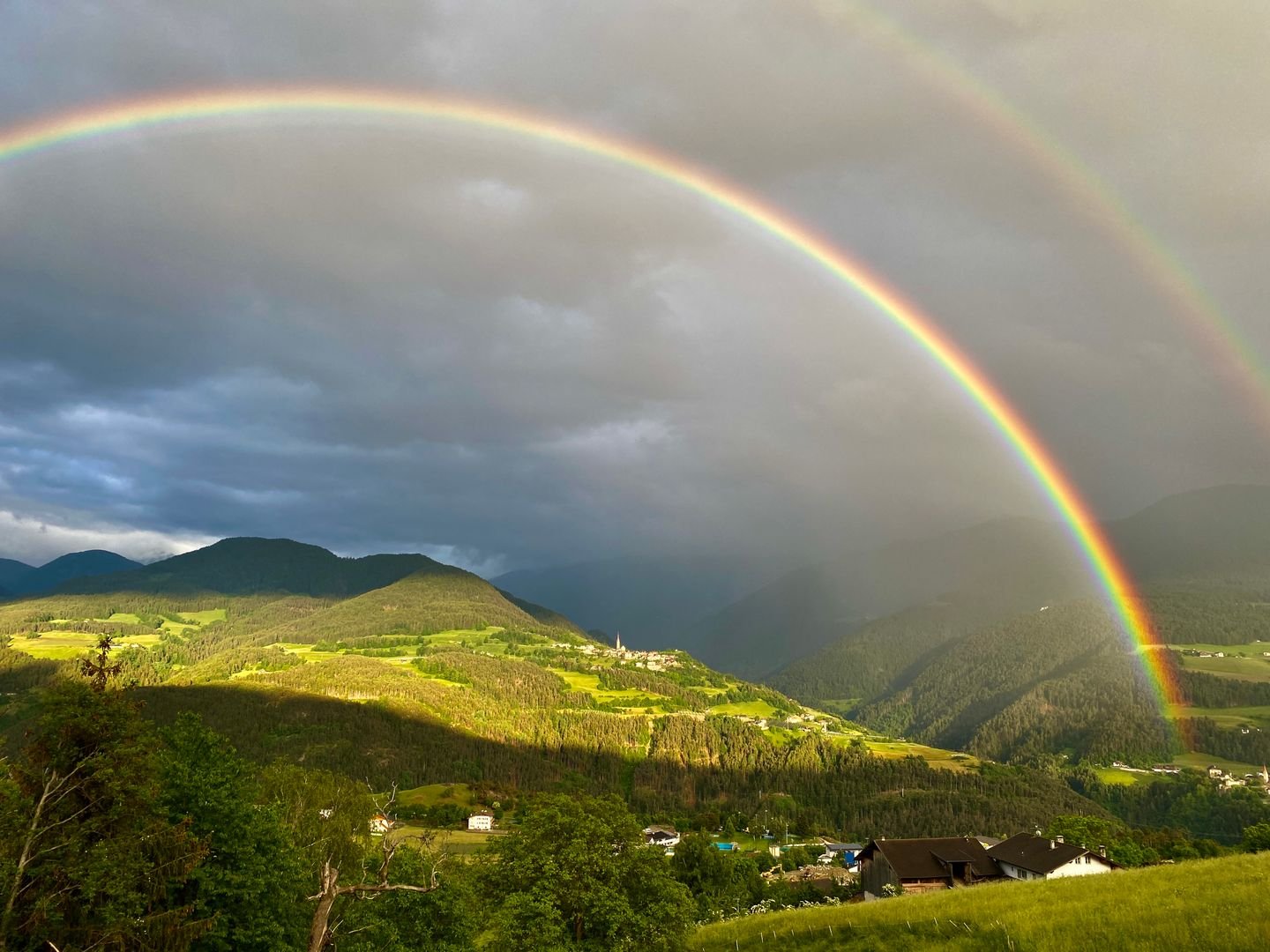
Like a rainbow spilled across the sky
Every colour at once, arched and impossible to ignore, like a celebration arriving all together.
Like a sunset poured over the sea
Orange, pink, and gold melting into the water, warm and slow, as the day dissolves into colour.
Like a meadow in the first week of June
Greens layered on greens with wildflowers scattered through, fresh, careless, and fully alive.
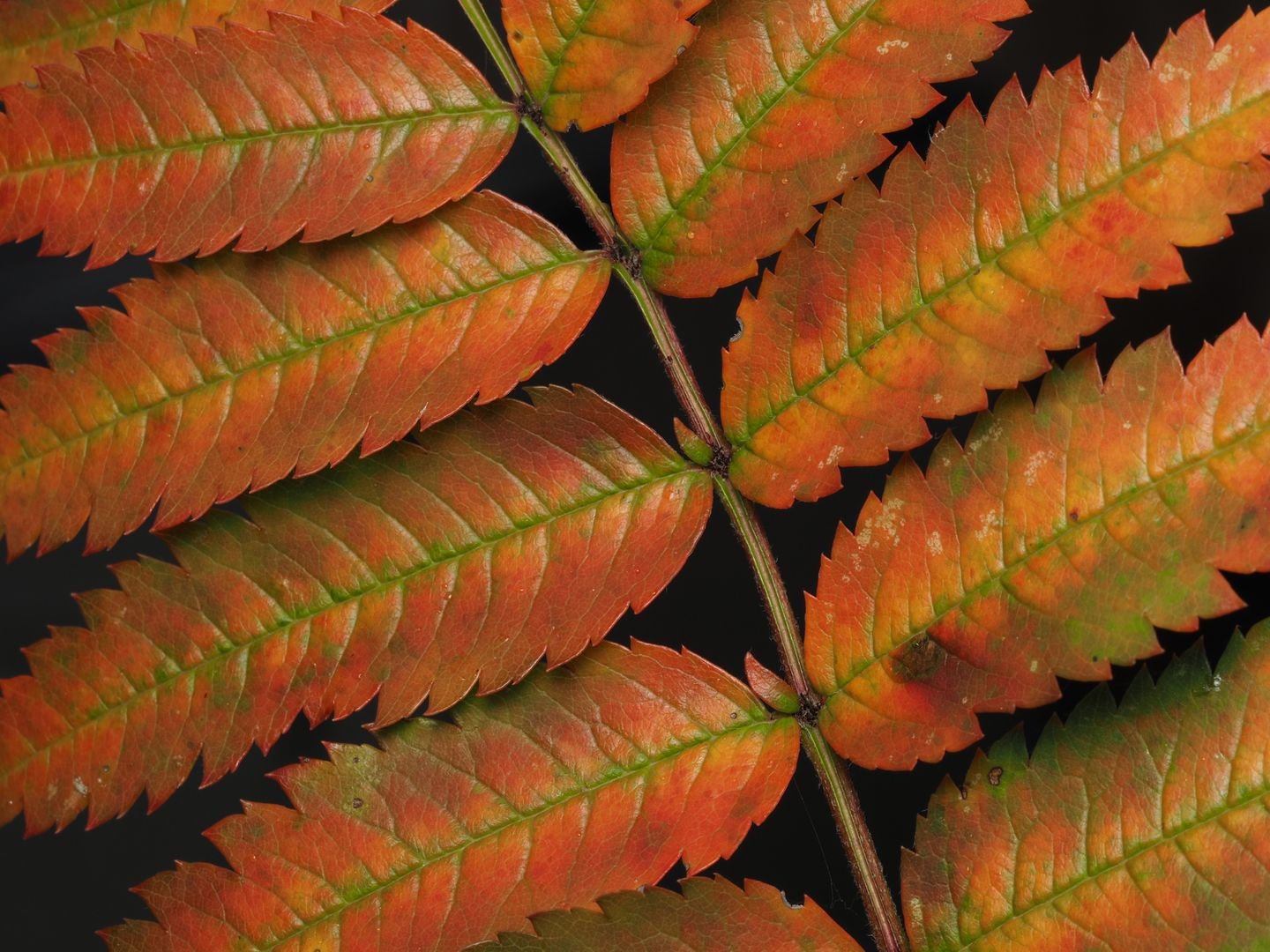
Like autumn leaves set quietly alight
Reds, oranges, and golds glowing on every branch, beautiful precisely because the fire will not last.
Like a peacock opening its tail
Blues and greens fanned out with hidden eyes of bronze, colour worn proudly and shown off.
Like berries ripening all at once
Deep reds and purples thickening on the branch day by day, colour that promises sweetness is coming.
Like a field of lavender under a summer sky
A single soft purple stretching to the horizon, calm enough that you can almost smell it.
Like coral glowing under clear water
Pinks and oranges shining through blue-green depths, colour softened and lit from beneath the surface.
Like frost painting silver on the grass
A pale, glittering white laid over green overnight, colour that arrives silently and vanishes by noon.
Bright and Bold Colours
Some colours refuse to whisper. These suit festivals, city nights, loud personalities, and anything that enters the room before its owner does.
Like a box of new crayons on the first day of school
Every shade sharp, clean, and unused, full of the excitement of everything that might be drawn.
Like neon signs buzzing over a night street
Pink, electric blue, and acid green glowing against the dark — loud even when they say nothing.
Like a carnival arriving in town
Reds, golds, and stripes in every direction, colour that promises noise, sugar, and staying up late.
Like paint straight from the tube
Colour at full strength, unmixed and unapologetic, exactly as bold as intended.
Like a parrot in a room full of pigeons
Scarlet, green, and gold flashing among plain greys, impossible to mistake for anything ordinary.
Like fireworks frozen mid-burst
Colour exploding outward in every shade at once, caught at the brightest second of its life.
Like a market stall piled with peppers and oranges
Reds, yellows, and oranges heaped high in the sun, colour you can almost taste from the street.
Like a child’s painting, all red and gold
Big, joyful colour laid down without fear or neatness, proud of every splash outside the lines.
Like flags snapping in a festival wind
Bright colours moving, cracking, and celebrating in the open air, impossible to watch without smiling.
Soft and Pale Colours
Not every colour needs to shout. These describe gentle, faded shades — the colours of early mornings, old letters, and quiet rooms.
Like morning mist over a still lake
Pale grey and white softening every edge, colour that hides as much as it reveals.
Like watercolour washed thin with water
A hint of colour rather than a statement, delicate and unsure of itself.
Like the inside of a seashell
Soft pink and pearl shining quietly, colour you only notice when you hold it to the light.
Like petals pressed in an old book
Faded pinks and yellows kept past their season, colour that has become a memory of itself.
Like cream stirred into tea
A warm, gentle swirl of beige, colour that comforts instead of exciting and asks for nothing.
Like a whisper instead of a shout
Colour so soft it barely registers, present in the room the way a secret is present.
Like moonlight on fresh snow
Blue-white and silver, cold and clean, colour that makes the whole world hold its breath.
Like cotton clouds at dusk
White melting into peach and grey at the edges, the softest colour change of the whole day.
Like a baby’s blanket washed a hundred times
Blue or pink faded nearly to white by love and laundry, gentle because it has been used so much.
Dark and Deep Colours
Dark colours carry weight. These suit night scenes, deep water, rich cloth, and moods that gather slowly and refuse to lift.
Like ink settling at the bottom of a well
Black sinking into black, colour so deep that light gives up before reaching the bottom.
Like a forest at midnight with no moon
Greens gone to shadow and shadow gone to black, colour you feel on your skin instead of seeing.
Like wine held up to candlelight
A red so dark it is nearly purple, glowing only at the edges where the light fights through.
Like storm clouds stacking over the hills
Greys and blue-blacks piling higher by the minute — colour that warns before it speaks.
Like polished ebony in low light
Black with a deep brown shine inside it, colour that feels expensive, heavy, and calm.
Like the deep end of the ocean
Blue darkening fathom by fathom into mystery, colour with pressure in it and secrets below.
Like plums and blackberries in a dark bowl
Purples so ripe they are almost black, colour that promises juice, sweetness, and stained fingers.
Like charcoal softened by ash
Black-grey with a dusty softness over it, colour left behind after something has burned.
Like a theatre just before the curtain rises
Deep red and darkness holding their breath together, colour full of everything about to happen.
Colours for Feelings and Moods
Colours carry emotions so well that we borrow their names for feelings themselves. These similes match shades to joy, gloom, hope, and pride.
Like a yellow door on a grey street
One small, brave patch of cheerfulness standing out against everything dull around it.
Like the blue hour before full dark
A soft, sad blue belonging to endings, goodbyes, and windows lighting up one by one.
Like a red flag over a bullring
Colour that charges the blood, the shade of anger, danger, and refusing to back down.
Like green shoots after a long winter
The first hopeful colour of the year, proof that the cold season did not win after all.
Like a grey Monday with no coffee in the house
Dull, flat colour for dull, flat feelings, the shade of a week that starts without mercy.
Like blushing cheeks at a first dance
Pink arriving uninvited and all at once, the colour of shyness, sweetness, and being noticed.
Like a gold ribbon on a plain parcel
One bright band of celebration that turns something ordinary into an honour worth opening slowly.
Like purple dusk settling over a quiet town
A calm, royal half-light that slows every heart it touches and tells the day it may rest.
Like white sheets flapping on a line
Clean, bright colour full of wind and soap, the shade of fresh starts and forgiven mistakes.
Bonus: A Colour for Every Feeling
Writers keep returning to colour because every feeling seems to own one already. Here is a pocket guide to the shades readers recognise instantly — use it to check your scene sends the signal you intend.
Red is the loudest feeling in the box: love, anger, danger, and courage all wear it. A red dress at a funeral and a red rose on a doorstep say opposite things with the same colour — context is everything.
Blue holds two feelings at once — the calm of deep water and the ache of a lonely evening. A blue simile can soothe a scene or sadden it, depending on the words nearby.
Yellow belongs to joy, sunlight, and cowardice in equal shares. With kitchens, mornings, and children’s coats it glows with happiness; with teeth, old paper, and warnings it turns sickly just as fast.
Green is growth and envy sharing one wardrobe. Shoots and new leaves promise life beginning again, while a green glance across a room has meant jealousy for centuries.
Purple has always dressed above its station: royalty, mystery, dusk, and bruises. It flatters scenes needing dignity or secrets, and deepens any colour beside it.
Grey is the feeling of no feeling — boredom, age, rain, and wisdom share it. Used honestly, it makes the one bright colour in the scene shine like a door left open.
Quick Reference: 10 Similes for Colours at a Glance
Need one fast? This table matches ten of the most useful colour similes to the scenes they serve best.
| Simile | What It Describes |
|---|---|
| Like a rainbow spilled across the sky | All colours at once; wonder and celebration |
| Like a peacock opening its tail | Proud, showy blues and greens |
| Like neon signs buzzing over a night street | Loud, electric city colour |
| Like a parrot in a room full of pigeons | Someone or something brilliantly out of place |
| Like the inside of a seashell | Soft pink and pearl, quietly beautiful |
| Like moonlight on fresh snow | Cold, clean blue-white stillness |
| Like ink settling at the bottom of a well | Blackness too deep for light to reach |
| Like storm clouds stacking over the hills | Threatening greys gathering before trouble |
| Like a yellow door on a grey street | A small bright hope in dull surroundings |
| Like green shoots after a long winter | Hope and renewal after hard times |
How to Use Colours Similes in Writing
First, let the colour carry a job. A colour simile should tell the reader more than the shade: it should hint at the mood, the season, or the person wearing it. A parrot among pigeons describes a jacket — and the man who chose it.
Next, match the colour’s strength to the moment’s. Save neon and fireworks for scenes that truly blaze, and let quiet scenes keep their mist, cream, and moonlight. Readers trust colours that stay honest about scale.
Then, borrow from your own setting. A coastal story earns its coral and sea-glass; a city story earns its neon and taxi yellow. Similes drawn from the story’s world feel native instead of pasted on.
Finally, use colour to mark change. When the grey Monday of chapter one becomes the yellow door of chapter ten, the reader feels the journey without a single speech about hope.
Common Mistakes to Avoid with Colours Similes
Colour is the easiest decoration to overdo, so colour similes fail in predictable ways. Watch for these five traps.
Naming every colour in the rainbow at once
A sunset described as red, orange, pink, purple, and gold in one sentence gives the reader a shopping list instead of a picture: the eye cannot hold five colours as one feeling. Fix it by choosing the single colour the moment is about and letting one simile carry it.
Reaching for red roses and blue skies every time
Lips like roses and eyes like the sky are the first colour images every writer finds, so readers glide over them without seeing anything. They fail through sheer familiarity. Fix them by reaching one shelf further: lips like crushed berries, eyes like the blue hour before dark.
Mixing colour moods that fight each other
Calling a room cosy and then dressing it in hospital white and storm-cloud grey confuses the reader, because every colour smuggles in its own feeling. Decide the mood first, then keep every colour in the scene loyal to it.
Using pale similes for moments that need power
A villain who enters like morning mist will never frighten anyone. Pale images promise gentleness, so they quietly cancel menace, triumph, and passion. Match the colour’s volume to the scene’s: dark wells and red flags for power, mist and cream for tenderness.
Describing colour with more colour
Writing that her dress was blue like the sea under a sky of azure explains nothing — the simile borrows the same mystery it was meant to solve. Anchor colours to things with texture and weight instead: ink, plums, charcoal, cream, and gold.
Frequently Asked Questions
What is a simile for colours?
A simile for colours compares a shade, or something wearing it, to a familiar coloured thing using like or as. For example, a proud display of blue and green can be like a peacock opening its tail: the reader sees the colours and their character together.
What is a good simile for bright colours?
One of the most joyful is like a box of new crayons on the first day of school: every shade at full strength, nothing used up yet. For city brightness, neon signs buzzing over a night street works beautifully.
How do I describe pale or faded colours?
Choose quiet, worn, or watery images: like watercolour washed thin with water, like petals pressed in an old book, or like a blanket washed a hundred times. These carry softness and age as the word pale alone never could.
Which colour simile suits a sad mood?
The blue hour before full dark is made for gentle sadness, and a grey Monday with no coffee in the house suits everyday gloom. For deeper grief, reach for the dark colours: ink in a well, or a forest at midnight.
What is the difference between a simile and a metaphor for colours?
A simile compares with like or as — her coat was like a parrot in a room full of pigeons. A metaphor states the thing directly — her coat was a parrot among pigeons. Similes feel clearer and lighter; metaphors feel bolder and more poetic.
Final Thought
The world arrives in colour before it arrives in words, and a good colour simile returns the reader to that first bright moment of seeing. Choose the shade that matches your feeling, borrow it from something real, and your plainest sentence will glow. One honest colour, well placed, can light a whole page. And for the colour itself in figurative language, see similes for orange.

The PublishScales Editorial Team researches and writes clear, original guides to similes and figurative language.