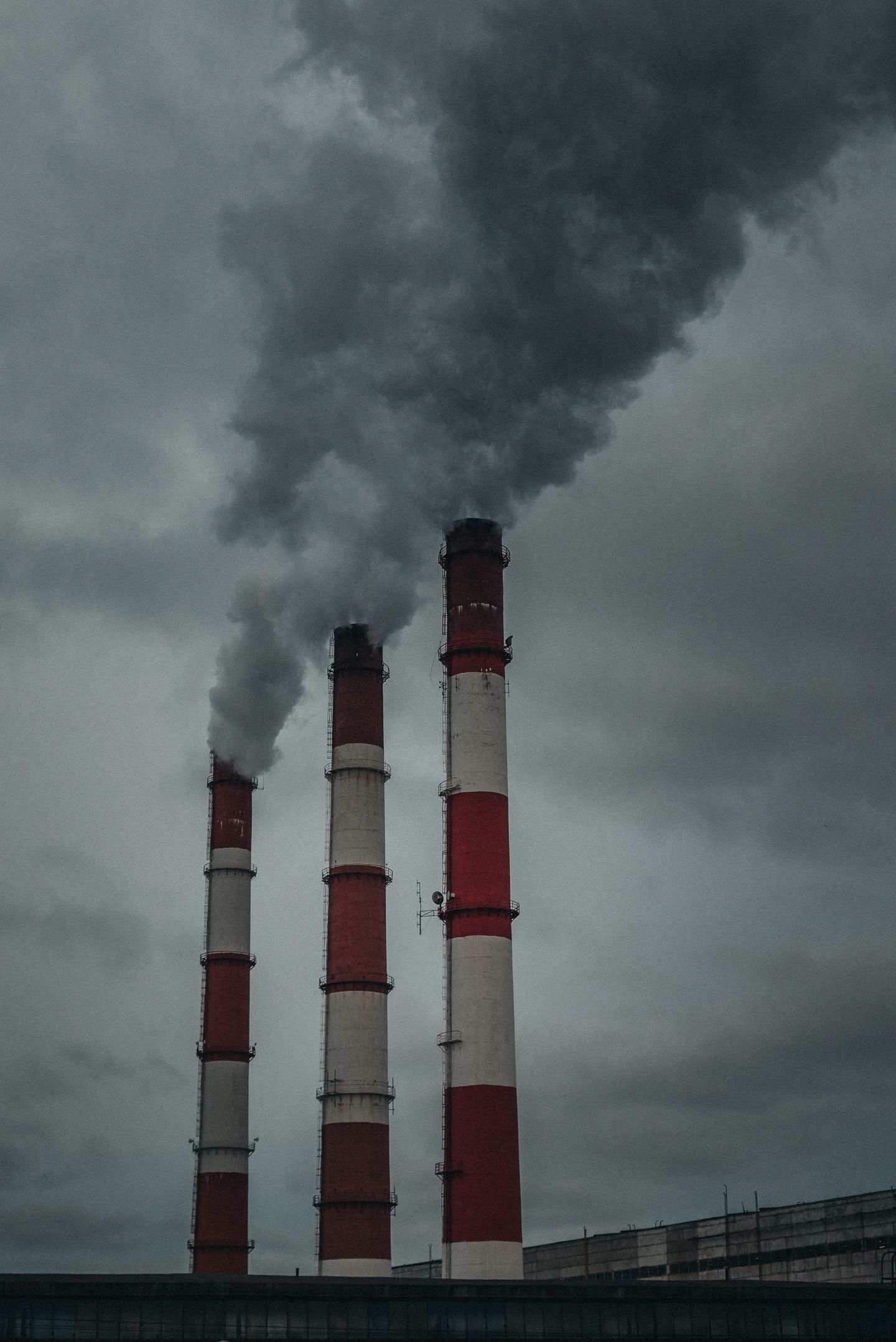
Writers keep coming back to pollution because it is, sadly, everywhere. It hangs over the evening traffic and drifts behind the factories. It even reaches the park where children play. Plain facts alone, however, rarely move a reader. A report can state the number of plastic bottles in a river, but a single strong image makes the reader see them. This is where similes for pollution earn their place. A simile compares one thing to another with the words like or as. An invisible problem suddenly gains a colour, a smell, and a shape. The dictionary keeps the idea simple. Pollution is the action of making land, water, or air dirty and unsafe, as the Merriam-Webster definition of pollution explains. A good simile then takes that plain meaning and makes it unforgettable.
Pollution, of course, is not quite the same subject as climate change. Pollution is the dirt itself, the smoke, the oil, and the litter; climate change is the slow warming that follows from it. If you need comparisons for the warming planet, our similes for climate change collection covers that wider story. Below, in contrast, you will find forty-five similes for pollution, grouped by where the damage appears. They run from smoky skies to hopeful cleanups. Each one comes with a plain meaning and an example sentence. You can lift it straight into your own essays, stories, and speeches.
Smoky Skies and Dirty Air
Air pollution is usually the first kind people picture, because it announces itself so clearly. Indeed, a grey sky changes the mood of a whole city. These similes describe smoke, smog, and fumes, from the dramatic to the quietly unhealthy.
- hung over the city like a dirty blanket
Meaning: covered everything below in a low, grey, unwelcome layer.
Example: All week the smog hung over the city like a dirty blanket, and the hills beyond the suburbs simply vanished. - poured from the chimneys like an endless grey river
Meaning: flowed out heavily and continuously, without any pause.
Example: Smoke poured from the chimneys like an endless grey river, rising, spreading, and slowly colouring the whole sky. - crept into their lungs like an uninvited guest
Meaning: entered quietly and stayed where it was not wanted.
Example: On windless mornings the fumes crept into their lungs like an uninvited guest, and the coughing started before breakfast. - sat on the skyline like a stain on a white shirt
Meaning: spoiled an otherwise clean and pleasant view in one obvious place.
Example: From the bridge, the factory smoke sat on the skyline like a stain on a white shirt. Indeed, every eye went straight to it. - thickened the air like soup in a pot
Meaning: made the air feel heavy, dense, and hard to breathe.
Example: By noon the heat and exhaust had thickened the air like soup in a pot. Even a short walk felt like hard work. - drifted over the rooftops like a grey ghost
Meaning: moved slowly and silently, pale and unsettling.
Example: Meanwhile, the smoke from the burning fields drifted over the rooftops like a grey ghost, and one by one the windows closed. - stung the eyes like smoke from a greenwood fire
Meaning: sharp and irritating, making the eyes water at once.
Example: The fumes near the depot stung the eyes like smoke from a greenwood fire. In fact, the bus queue kept shuffling backwards. - rolled in from the sea like a bank of dirty cotton
Meaning: arrived in thick, soft-looking masses that hid everything behind them.
Example: In winter the smog rolled in from the sea like a bank of dirty cotton, swallowing the harbour lights one by one. - rose from the bonfire like a black flag
Meaning: climbed in a dark, bold column that everyone could see.
Example: The smoke from the rubbish fire rose like a black flag above the allotments, announcing the burning to the whole valley.
Polluted Rivers and Seas
Water hides pollution less kindly than air does, because the damage floats, glitters, and washes up for everyone to see. Moreover, rivers carry the problem from town to town. The similes below suit polluted rivers, harbours, and seas, whether the villain is oil, sewage, or plastic.
- spread through the river like poison in a vein
Meaning: moved steadily through the whole system, harming everything it reached.
Example: The chemical spill spread through the river like poison in a vein, and dead fish appeared in village after village. - turned the sea as black as spilled ink
Meaning: darkened the water completely, as if dye had been tipped into it.
Example: After the tanker cracked, the oil turned the sea as black as spilled ink for miles along the coast. - choked the river like a hand at its throat
Meaning: blocked and strangled the flow until the river could barely live.
Example: Plastic and weed choked the river like a hand at its throat. As a result, the boats sat trapped in green scum. - floated on the surface like a skin of grease
Meaning: formed a thin, oily film that covered the water without sinking.
Example: Near the outfall pipe, the pollution floated on the surface like a skin of grease, shining in ugly rainbow colours. - clouded the water like mud in a stirred bucket
Meaning: made clear water brown and opaque, so nothing could be seen through it.
Example: The runoff from the building site clouded the water like mud in a stirred bucket. The trout vanished within a week. - washed ashore like the sea returning stolen goods
Meaning: brought rubbish back to land, as if the ocean refused to keep it.
Example: After every storm, bottles and rope washed ashore like the sea returning stolen goods, dumped along the tide line. - smelled like a drain in high summer
Meaning: gave off a foul, stagnant odour that turned the stomach.
Example: At low tide the harbour smelled like a drain in high summer. Consequently, the cafes along the quay stood empty. - glittered with plastic like a pavement after a parade
Meaning: sparkled deceptively, pretty from a distance but filthy up close.
Example: The bay glittered with plastic like a pavement after a parade, bright and colourful until you looked closely. - killed the fish like a frost killing blossom
Meaning: destroyed living things suddenly, silently, and all at once.
Example: The poison killed the fish like a frost killing blossom; by morning, silver bodies covered the banks.
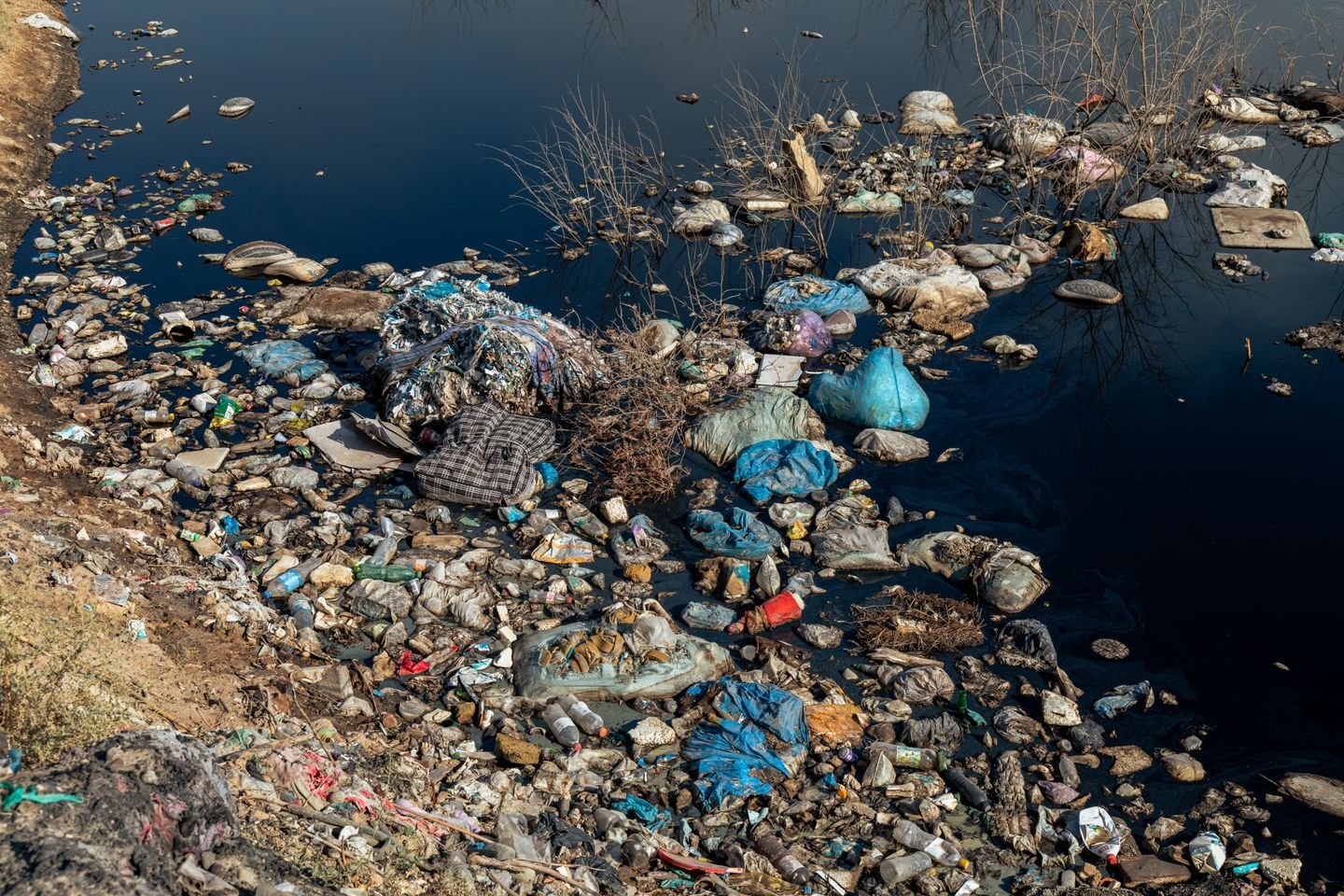
Littered Land and Wasted Places
On land, pollution is patient. It piles up in alleys, clings to hedges, and slowly buries fields, because plastic and rubble simply do not rot away. These similes fit dumps, littered streets, and neglected ground, and each one underlines how long the damage lasts.
- piled up like snowdrifts in a city alley
Meaning: gathered in deep heaps against walls and corners, unmoved for weeks.
Example: Behind the market, the rubbish piled up like snowdrifts in a city alley, except that this snow never melted. - clung to the hedges like grey cobwebs
Meaning: stuck fast in branches and fences, torn, pale, and impossible to ignore.
Example: All along the motorway, burst carrier bags clung to the hedges like grey cobwebs, fluttering whenever a lorry passed. - scattered across the beach like confetti after a careless party
Meaning: spread everywhere in small bright pieces that nobody bothered to clear.
Example: Bottle tops and wrappers lay scattered across the beach like confetti after a careless party. In short, the celebration was over and the bill remained. - soaked into the soil like dye into cloth
Meaning: sank deep into the ground and coloured everything it touched, permanently.
Example: Oil from the old garage had soaked into the soil like dye into cloth, so nothing grew there except blackened weeds. - buried the field like a slow grey tide
Meaning: covered the land gradually but completely, returning again and again.
Example: Fly-tipped rubble buried the field like a slow grey tide; every month, in fact, another load appeared overnight. - grew across the valley like a mould
Meaning: spread steadily from one spot, feeding on neglect.
Example: The illegal dump grew across the valley like a mould, first a mattress, then a fridge, then a whole skyline of junk. - rotted like a feast nobody cleared away
Meaning: decayed in the open, smelling worse with every passing day.
Example: The food waste behind the restaurant rotted like a feast nobody cleared away, and the rats grew bolder by the week. - lay on the shore like goods in a junk shop window
Meaning: displayed itself openly, item after unwanted item.
Example: Tyres, drums, and broken chairs lay on the shore like goods in a junk shop window, priced in embarrassment. - stacked up like a skyline of tin and tyres
Meaning: rose in tall, ugly towers that imitated a city.
Example: At the scrapyard the wrecks stacked up like a skyline of tin and tyres, complete with towers of crushed cars.
Noise and the Crowded City
Pollution is not always visible. Noise, dust, and exhaust attack the ears and nerves instead, especially in crowded cities where the machines never fully stop. The following similes therefore turn to sound and pressure, so you can describe a city that feels dirty even when it looks clean.
- hammered the ears like a drum beaten all day
Meaning: struck the hearing again and again, without rest or mercy.
Example: The construction noise hammered the ears like a drum beaten all day; by evening, the whole street had a headache. - rose from the traffic like the roar of a stadium
Meaning: built into one great, rolling wave of sound.
Example: At rush hour the noise rose from the traffic like the roar of a stadium, although nobody was cheering. - ground on the nerves like a file on iron
Meaning: irritated slowly and steadily, impossible to tune out.
Example: The alarm from the empty warehouse ground on the nerves like a file on iron, hour after hour, night after night. - buzzed like a swarm trapped in a jar
Meaning: hummed and vibrated in a confined space, restless and angry.
Example: Above the ring road the drone of engines buzzed like a swarm trapped in a jar. Meanwhile, the windows rattled in their frames. - filled the streets like a river of exhaust
Meaning: flowed along the roads in a constant stream of fumes.
Example: Morning traffic filled the streets like a river of exhaust, and cyclists wore masks like divers. - hung in the headlights like powdered snow
Meaning: floated as fine dust, visible only where the light caught it.
Example: All evening the dust hung in the headlights like powdered snow, although the sky had not shed a single flake. - beat at the windows like rain that never cleans
Meaning: struck again and again but left everything dirtier, not fresher.
Example: The grit from the motorway beat at the windows like rain that never cleans; instead, it only thickened the grime. - made the city cough like an old smoker climbing stairs
Meaning: left the whole place wheezing, strained, and short of breath.
Example: By January the smog made the city cough like an old smoker climbing stairs, one painful breath at a time. - pressed on the chest like a heavy coat in summer
Meaning: weighed on the body, hot and unwanted, impossible to shrug off.
Example: The fume-filled air pressed on the chest like a heavy coat in summer. In short, breathing itself felt like a chore.
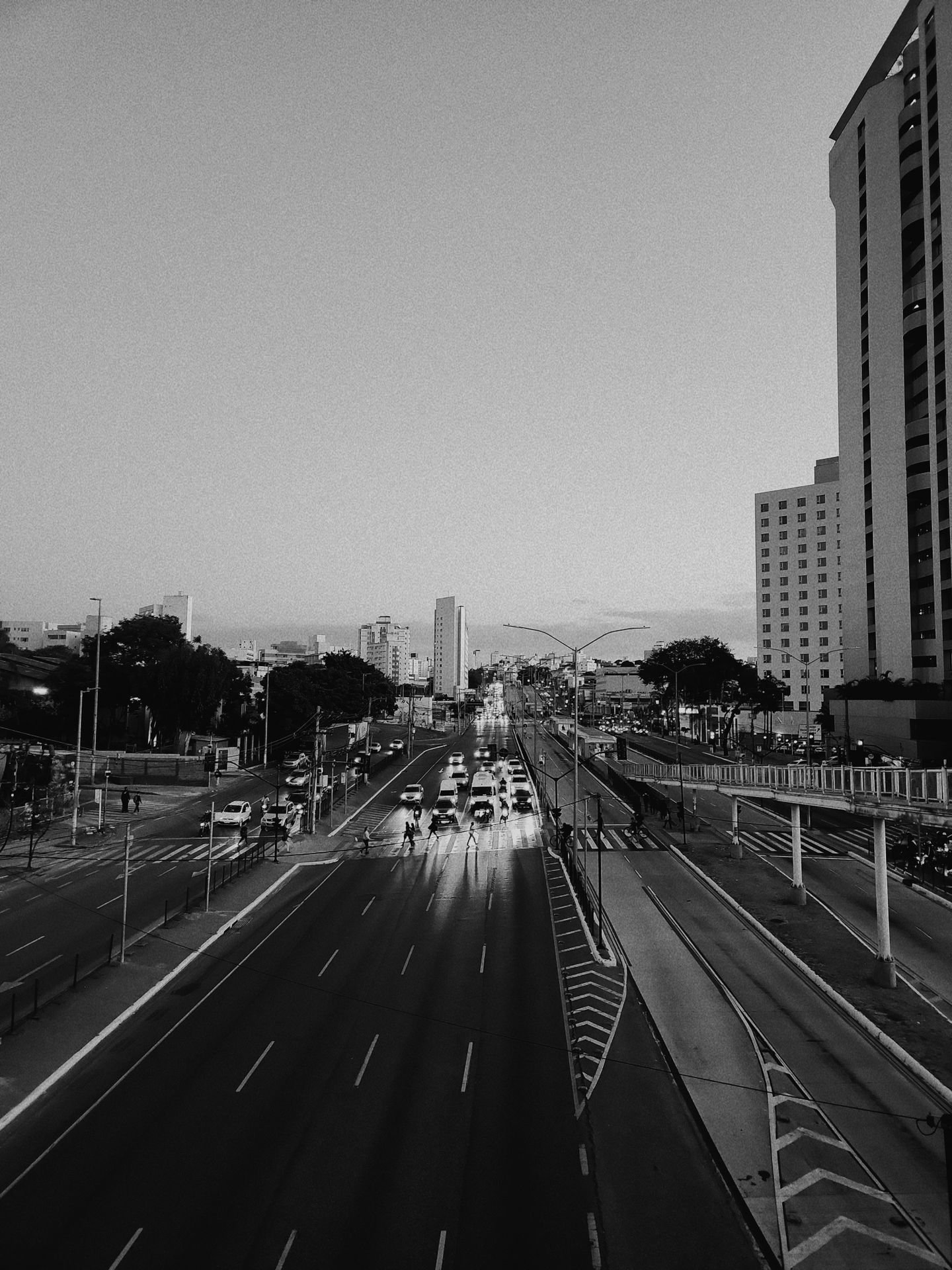
Cleaning Up and Hope
Fortunately, pollution writing does not have to end in despair. The final group below turns towards recovery: rivers running clear, birds returning, and streets breathing again. Such hopeful similes matter, because readers act when they can picture the reward, not only the damage.
- cleared like mist after sunrise
Meaning: lifted gradually and naturally, revealing the view that was always there.
Example: Once the factory closed, the valley air cleared like mist after sunrise, and people remembered the hills had a colour. - breathed again like a swimmer breaking the surface
Meaning: came back to life suddenly, with a gasp of relief.
Example: When the last sewer pipe was fixed, the river breathed again like a swimmer breaking the surface. - sparkled like a washed window
Meaning: became clear and bright, so the world showed through it again.
Example: After the cleanup, the harbour water sparkled like a washed window. Indeed, you could see the crabs below. - came back like an old friend at the door
Meaning: returned warmly and familiarly, after a long absence.
Example: The swallows came back like an old friend at the door, the first spring after the marsh was cleaned. - greened like a garden after the drought
Meaning: recovered with fresh growth once the harmful pressure ended.
Example: Slowly the wasteland greened like a garden after the drought, first with weeds, then with wildflowers, then with bees. - sang again like a choir after silence
Meaning: filled with many living voices after a long, empty quiet.
Example: The cleaned river sang again like a choir after silence, frogs first, then herons, then children on the bank. - shone like a polished coin
Meaning: gleamed brightly after the grime was rubbed away.
Example: Washed at last, the old monument shone like a polished coin, and tourists stopped to photograph it again. - took root like seeds in spring soil
Meaning: started quietly, then grew steadily and naturally.
Example: The recycling habit took root like seeds in spring soil; within a year, the whole street was sorting its waste. - faded like a bad smell after the window opens
Meaning: disappeared quickly once fresh conditions arrived.
Example: Once the buses turned electric, the diesel stink faded like a bad smell after the window opens. The cafe put its tables outside again.
Quick Reference: 10 Pollution Similes at a Glance
When you need a comparison in a hurry, the table below collects ten of the most useful similes for pollution on this page. It also shows the job each one does best.
| Simile | Best For |
|---|---|
| hung over the city like a dirty blanket | Smog covering a whole city |
| poured from the chimneys like an endless grey river | Factory smoke and industry |
| crept into their lungs like an uninvited guest | Health effects of fumes |
| spread through the river like poison in a vein | Chemical spills in rivers |
| choked the river like a hand at its throat | Plastic blocking a waterway |
| piled up like snowdrifts in a city alley | Uncollected rubbish |
| clung to the hedges like grey cobwebs | Plastic bags in the countryside |
| hammered the ears like a drum beaten all day | Noise pollution |
| cleared like mist after sunrise | Air recovering after action |
| breathed again like a swimmer breaking the surface | A river or city coming back to life |
How to Use Pollution Similes in Writing
First, match the simile to the sense you want the reader to feel. Pollution attacks sight, smell, sound, and breath in different ways. Therefore, a visual image like a dirty blanket suits smog. A sound image like a beaten drum suits noise. When the image matches the sense, the reader feels the problem instead of merely reading about it.
Next, pair the image with one hard fact. A simile opens the heart, but a number convinces the mind, so the strongest environmental writing uses both together. For example, write that the bottles piled up like snowdrifts, and then state how many tonnes the cleanup collected. The picture makes the fact memorable, and the fact makes the picture believable.
Finally, remember to picture the solution as warmly as the problem. Speeches and essays that end only in doom often leave readers helpless. In contrast, a closing image of a river breathing again gives them something to work towards. Save your most hopeful simile for the ending, where it will echo longest.
Common Mistakes to Avoid with Pollution Similes
Using a clean image for a dirty subject
Calling factory smoke white and fluffy like a cloud praises the very thing you are condemning. The comparison must carry the right feeling, not only the right shape. Choose images with grime, weight, or menace built in, such as a stain, a mould, or a thief.
Stacking a simile in every sentence
When every line contains a comparison, the reader stops seeing any of them. Indeed, similes work like seasoning: a little sharpens the dish, while a lot ruins it. Use one strong simile per paragraph at most, and let plain sentences carry the facts in between.
Reaching for the oldest clichés
As black as coal and as dirty as a pigsty have been used so often that readers slide straight past them. However, a fresh image, such as exhaust behaving like a river, wakes the reader up. If your simile could appear in any essay ever written, replace it with one only your scene could produce.
Mismatching the scale of the damage
A single dropped crisp packet is not an oil spill, and a bonfire is not a burning city. When the comparison is far bigger than the subject, the writing sounds hysterical instead of serious. Match the size of the image to the size of the harm, and your argument stays credible.
Forgetting the hope at the end
Relentless gloom makes readers close the page, not change their habits. Environmental writing persuades best when it shows the cleaned river as vividly as the dirty one. Therefore, keep one or two recovery similes ready, and finish on the picture of the world repaired.
Frequently Asked Questions
What is a good simile for pollution?
The classic all-purpose choice is hung over the city like a dirty blanket. It captures the colour, the weight, and the unwelcome coverage of smog in one picture. For water, spread through the river like poison in a vein is equally strong. Both, moreover, are instantly understood by any reader.
Which simile best describes air pollution?
For a whole skyline, poured from the chimneys like an endless grey river stresses the endless flow of factory smoke. For personal harm, however, crept into their lungs like an uninvited guest is better, because it shows the fumes entering the body uninvited. Choose according to whether your focus is the place or the people.
What is a simile for water pollution?
Choked the river like a hand at its throat suits plastic and weed blocking a channel. Turned the sea as black as spilled ink suits oil. If the pollution is invisible, clouded the water like mud in a stirred bucket shows the loss of clarity instead. Each image, in short, matches a different kind of damage.
Are there positive similes about fighting pollution?
Yes, and they are essential for hopeful endings. Cleared like mist after sunrise shows air recovering, while breathed again like a swimmer breaking the surface shows a river returning to life. Such images, indeed, turn a warning into a call to action.
Can I use pollution similes in a school essay?
Absolutely; teachers reward them because they show imagination working alongside facts. Place one in the introduction to set the scene, and another in the conclusion to underline your message. Meanwhile, keep the middle paragraphs factual, so the essay stays balanced and persuasive.
How can I create my own pollution simile?
First, name the exact harm: the colour of the smoke, the smell of the river, or the noise of the road. Then think of a familiar thing with the same quality, a blanket, a dye, a drum, and join the two with like or as. Finally, read the sentence aloud and check that the picture appears at once and feels as unpleasant, or as hopeful, as the truth.
Final Thought
Pollution is easy to ignore precisely because it is ordinary; it gathers quietly, one bottle and one chimney at a time. The right simile refuses that quiet. It shows the blanket over the city and the hand at the throat of the river. Just as clearly, it shows the swimmer breaking the surface when the cleaning begins. Choose the picture that tells the truth about your scene. Use it once and well. Your words may then do what every clean river needs first: make somebody care.

The PublishScales Editorial Team researches and writes clear, original guides to similes and figurative language.