Climate change is the biggest story on Earth, and also one of the hardest to picture. A degree of warming here, a centimetre of sea level there — the numbers are real, but they move too slowly for the eye to follow. The NASA overview of climate change tracks the evidence through satellite records and surface measurements gathered over decades, and the similes for climate change in this collection do the matching job in language: they shrink those slow, planetary shifts into single images you can see at a glance.
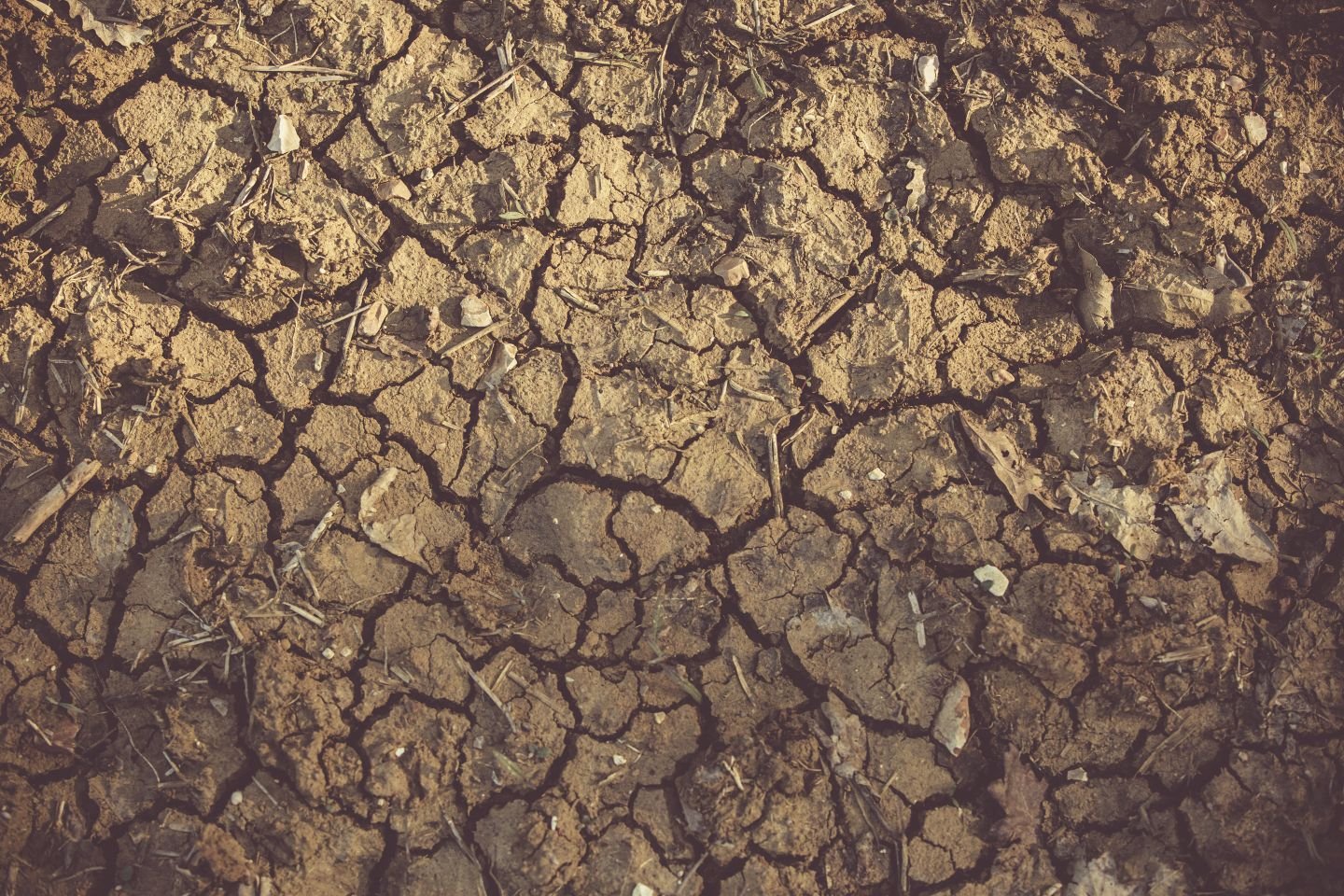
Writers, teachers, and speakers reach for climate similes because plain statistics rarely stay in the memory. A chart of rising temperatures informs the mind, but an image of the Earth running a fever informs the imagination too — and the imagination is where readers decide whether a problem feels distant or close. A good simile also sets the scale honestly: some changes creep like rust, while others arrive like a dam breaking.
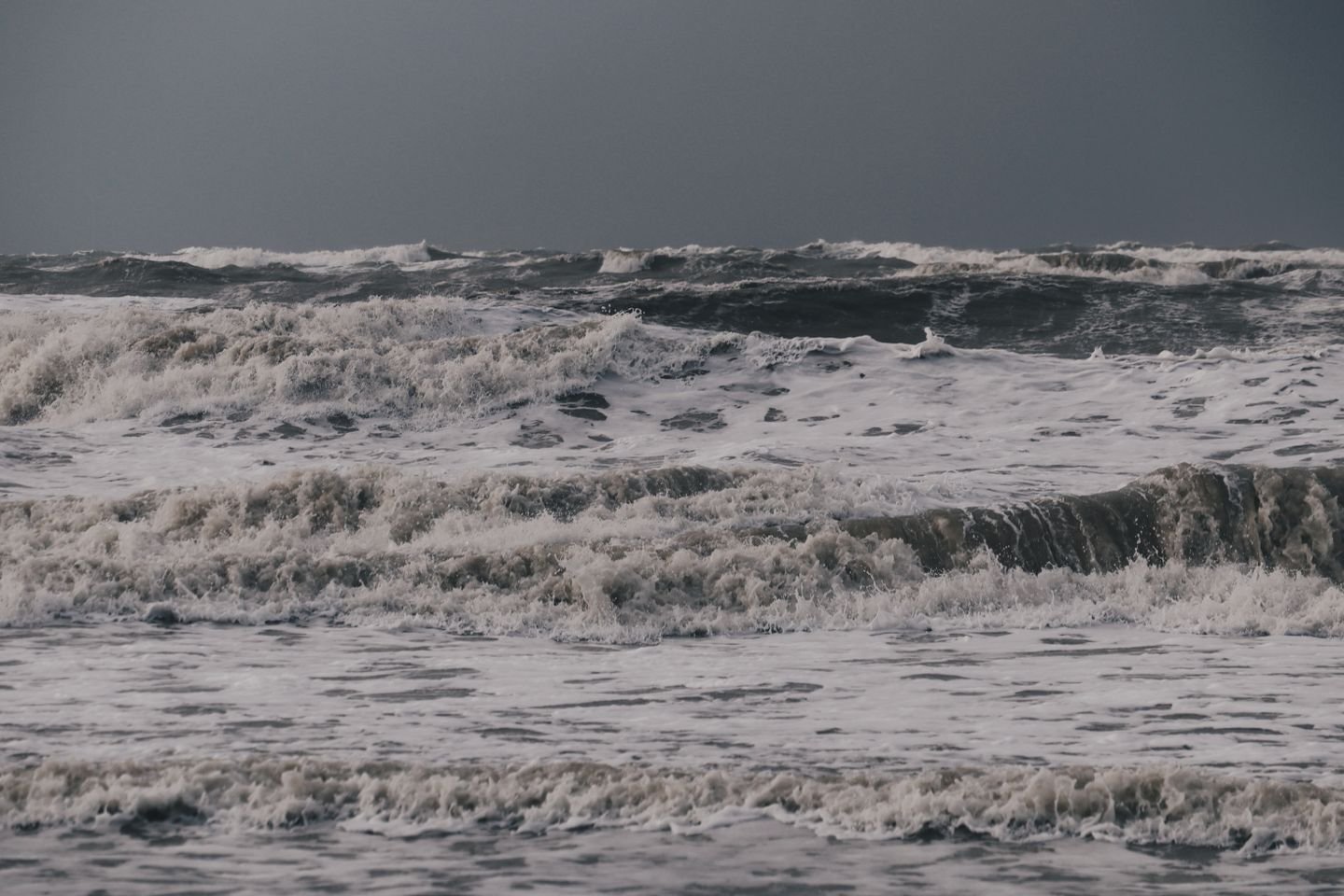
Below you will find 45 similes for climate change in five groups — a warming planet, melting ice, rising seas, extreme weather, and nature out of balance. Every simile comes with a plain meaning and a short example sentence, so you can see not only what the image means but how it sits inside real writing for essays, speeches, poems, and stories.
Begin where every change in the weather begins, with the sky itself: our similes for clouds gather the gentler faces of the same air and water that, pushed out of balance, drive every storm and flood in the groups below.
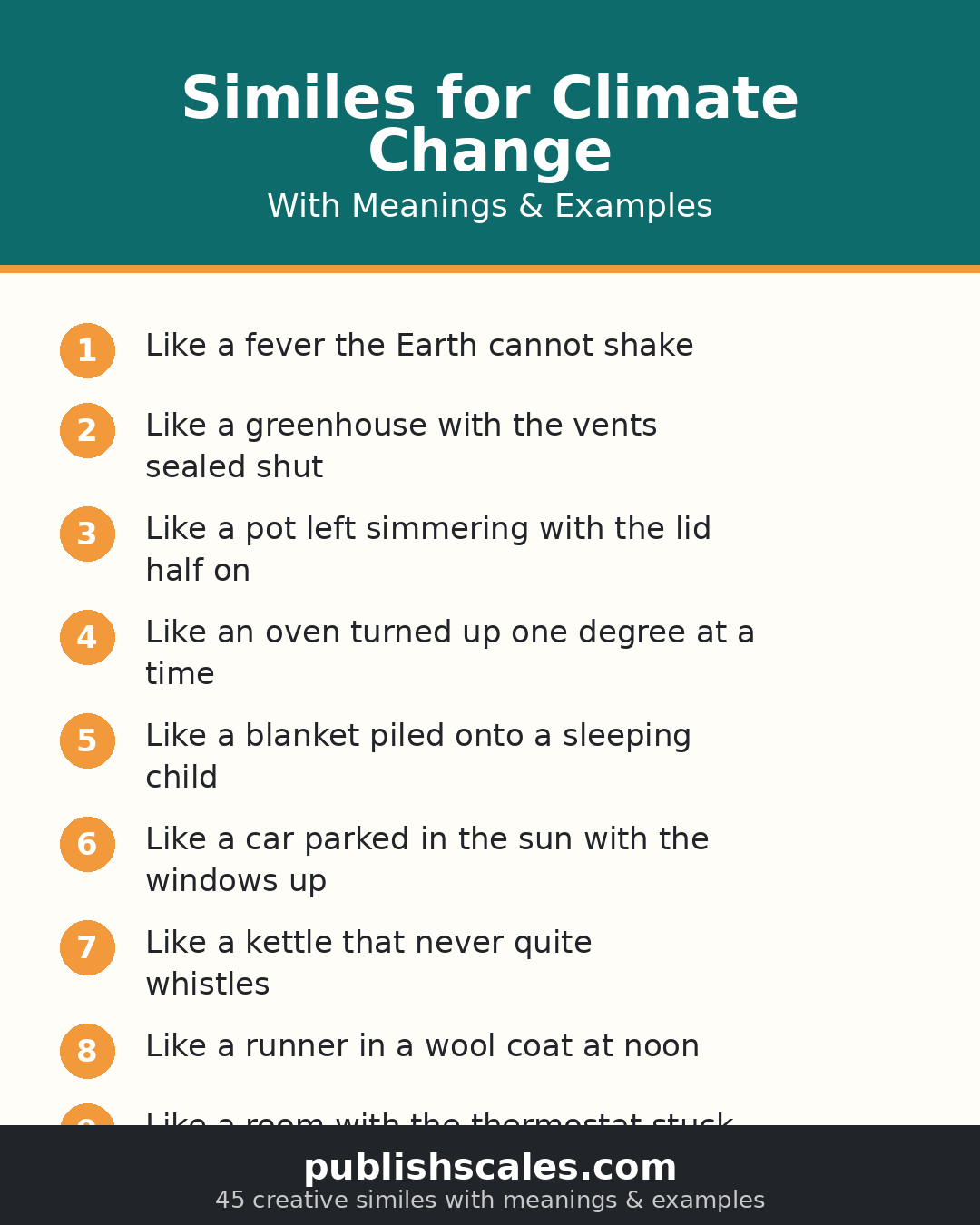
Similes for a Warming Planet
Warming is the engine behind every other change in this list, yet a degree or two sounds too small to matter. These similes give heat a shape, showing how a little extra warmth, trapped and repeated, changes everything it touches.
Like a fever the Earth cannot shake
A planet running a temperature that keeps creeping upward instead of breaking. A fever is the body fighting and overheating at once, which makes this simile perfect for the whole crisis in one line. Example: “The valley had become like a fever the Earth cannot shake — hotter every summer, with no cool season left to recover in.”
Like a greenhouse with the vents sealed shut
Sunshine enters freely, but the heat it creates has no way back out. This image mirrors the greenhouse effect itself, where gases in the atmosphere trap warmth near the surface. Example: “With its forests cut and its skies loaded with exhaust, the region sat like a greenhouse with the vents sealed shut.”
Like a pot left simmering with the lid half on
Nothing boils over, yet the water grows hotter every single hour. Use it for warming that looks calm on the surface while energy quietly builds underneath. Example: “The ocean stayed flat and silver, like a pot left simmering with the lid half on, storing heat no one could see.”
Like an oven turned up one degree at a time
No single turn of the dial looks dangerous, but the dish inside cooks all the same. This simile suits slow, steady warming measured in fractions that add up across decades. Example: “The climate shifted like an oven turned up one degree at a time, until the old recipes for farming no longer worked.”
Like a blanket piled onto a sleeping child
Each extra layer feels harmless on its own; together they smother. Writers use this one for emissions and heat-trapping layers that accumulate one small source at a time. Example: “Every new highway and smokestack settled over the city like a blanket piled onto a sleeping child.”
Like a car parked in the sun with the windows up
The air inside grows far hotter than the air outside, and everything sealed in suffers. It is a familiar, everyday picture of trapped heat that any reader instantly understands. Example: “By noon the treeless plaza felt like a car parked in the sun with the windows up.”
Like a kettle that never quite whistles
Heat and pressure build quietly below the surface, always rising, never releasing. Choose this simile for tension in Earth systems — oceans, ice, and air storing energy before something gives. Example: “The summer pressed on the city like a kettle that never quite whistles.”
Like a runner in a wool coat at noon
The body works harder and harder simply to stay cool, and exhaustion arrives early. This one brings warming down to human scale — workers, athletes, and animals all labouring under heat their bodies were not built for. Example: “The harvest crews moved through the fields like runners in wool coats at noon.”
Like a room with the thermostat stuck on high
Everyone inside feels the heat, and nobody can reach the dial to turn it down. It captures both the discomfort of warming and the frustration of a problem bigger than any single household. Example: “For the islanders, the century ahead looked like a room with the thermostat stuck on high.”
Similes for Melting Ice
Ice is the planet’s memory of cold, stored in glaciers, ice caps, and winter snow. These similes describe that storehouse draining away — sometimes as a drip, sometimes as a collapse.
Like an ice sculpture at a summer wedding
Beautiful and detailed when the day begins, disappearing a little more with every hour. This is the first simile on the infographic card above and a favourite for glaciers: carved by centuries, erased by seasons. Example: “The glacier hung above the fjord like an ice sculpture at a summer wedding.”
Like a freezer with the door left open
Everything inside slowly softens, drips, and spoils, and no cold can hold. Use it for polar regions losing their chill, or for permafrost thawing under northern towns. Example: “The Arctic winter had become like a freezer with the door left open.”
Like snowmen meeting the spring sun
Round and cheerful one week, a puddle on the grass the next. A gentle, almost comic image that suits children’s writing and lighter essays about vanishing winters. Example: “The famous ski season shrank like snowmen meeting the spring sun.”
Like an ice cube in a warm drink
Steadily shrinking until only cold water remains to say it was ever there. Simple and exact, this simile explains meltwater better than most diagrams. Example: “The last ice field on the mountain dwindled like an ice cube in a warm drink.”
Like butter sliding in a hot pan
Solid one moment, spreading liquid the next, with no way to gather it back. Writers reach for it when melt suddenly speeds up after a slow start. Example: “That July, the surface of the great ice sheet melted like butter sliding in a hot pan, and meltwater ran in every direction at once.”
Like a castle of ice at the tide line
Built grain by grain over centuries, washed down in a single season. The contrast between slow building and fast losing is the heart of this simile. Example: “The ice shelf stood like a castle of ice at the tide line, grand and doomed in the same photograph.”
Like candle wax running down the sides
The shape melts away from the edges while the core still stands. Use it for glaciers thinning at their margins long before they vanish outright. Example: “White streaks of meltwater ran off the ice cap like candle wax running down the sides.”
Like a dam made of frost in April
Holding back water it was never going to hold for long. This simile fits ice dams, frozen lakes, and snowpack whose melt floods valleys in spring. Example: “The frozen lake pressed against the outlet like a dam made of frost in April.”
Like footprints fading in spring snow
The white world recording every warm day by disappearing a little more. A quiet, poetic image for shrinking snow cover and the short memory of winter. Example: “By March the north-facing slopes held their snow like footprints fading in spring snow.”
Similes for Rising Seas
The sea does not rise like a wave in a film; it rises like water in a bath, patiently and everywhere at once. These similes capture that slow invasion and what it does to the land.
Like a bathtub with the tap left running
The water climbs slowly and steadily, then suddenly it is on the floor. This simile teaches the logic of sea-level rise: nothing dramatic per day, everything serious per decade. Example: “The harbour town watched the tide gauges like a bathtub with the tap left running.”
Like a tide that forgets to go out
Each wave arrives, and then it simply stays. Use it for coastal flooding that lingers longer every year, soaking roads, fields, and foundations. Example: “After the storm, the marsh road lay under water like a tide that forgets to go out.”
Like water creeping up a beach towel
A slow, patient advance that soaks everything lying in its path. The towel image keeps the simile small and familiar while the meaning stays large. Example: “Salt water spread through the farmland like water creeping up a beach towel.”
Like a guest who moves in one bag at a time
Barely noticed at first, until one day the whole house is theirs. This simile suits erosion and flooding that settlements ignore until retreat becomes unavoidable. Example: “The sea arrived in the village like a guest who moves in one bag at a time.”
Like a river redrawing its own map
Banks, shores, and borders quietly move to places they never were before. Writers use this one for deltas, estuaries, and coastlines whose charts go out of date. Example: “The delta shifted channels like a river redrawing its own map.”
Like the sea trying on the land for size
Testing streets, fields, and doorsteps a little further inland every year. A playful surface hides a serious meaning about land slowly being claimed. Example: “Each winter storm let the sea try on the land for size, and each year the fit grew closer.”
Like soup swelling in a pot near the boil
Calm at the edges while the middle quietly rises. This image fits the double cause of sea-level rise: melting ice adding water, and warming water expanding. Example: “The world’s oceans gathered themselves like soup swelling in a pot near the boil.”
Like an ink stain spreading through paper
The shoreline blurs a little further with every passing year, and the stain never retreats. Use it for saltwater creeping into fields, wells, and freshwater supplies. Example: “Salinity moved through the delta farms like an ink stain spreading through paper.”
Like a staircase the ocean climbs one step per decade
Slow enough to miss in a lifetime of glances, steady enough to measure in a single career. This closing simile for the group balances patience with certainty. Example: “The old lighthouse steps told the story — a staircase the ocean climbs one step per decade.”
Similes for Extreme Weather
Climate change rarely invents new weather; it turns the volume up on the weather we already have. These similes describe storms, heatwaves, droughts, and floods that arrive stronger, longer, or in the wrong season.
Like a mood swing in the sky
Calm mornings snapping into violent afternoons with no warning in between. This simile captures the whiplash quality of unstable weather that ruins plans and harvests alike. Example: “April behaved like a mood swing in the sky — picnics at noon, hailstones by three.”
Like dice loaded against the farmer
The same old weather game everyone has always played, except the bad rolls keep coming. It explains probability in one picture: climate change does not replace the dice, it weights them. Example: “Season after season, planting felt like dice loaded against the farmer.”
Like a storm that has lost its calendar
Hurricanes, heatwaves, and floods arriving in months where they never used to belong. Use it for unseasonal events that catch whole regions unprepared. Example: “The October heatwave rolled in like a storm that has lost its calendar.”
Like a drummer who only plays at full volume
Every rain a downpour, every hot spell a furnace blast, nothing in a gentle register. This simile suits the intensification of familiar weather rather than its replacement. Example: “The monsoon hit the coast like a drummer who only plays at full volume.”
Like a river with two tempers
Drought-cracked and silent for months, then roaring over its banks in a single night. Writers use it for the flood-and-drought whiplash that warmer air makes more likely. Example: “The valley lived beside a river with two tempers, and both grew worse every year.”
Like weather written in capital letters
Familiar events, shouted instead of spoken. A favourite in classrooms, this simile gives students a quick way to say that the extremes are familiar in kind but not in size. Example: “The forecast read like weather written in capital letters: HEAT, FLOOD, FIRE.”
Like a pendulum swinging wider every year
Hotter hots, wetter wets, and longer dry spells stretched between them. The pendulum keeps the rhythm of seasons while admitting the swings grow more extreme. Example: “The climate of his childhood had become a pendulum swinging wider every year.”
Like a stove with a faulty knob
Gentle warmth one moment, scorching flame the next, and no reliable control. Use it where heat arrives in sudden, dangerous bursts rather than steady rises. Example: “Summer turned on the city like a stove with a faulty knob.”
Like thunder that moved in next door
Storms that once visited rarely now arriving like regular guests. This closing simile for the group turns frequency itself into a character in the story. Example: “By the third flood year, disaster felt like thunder that moved in next door.”
Similes for Nature Out of Balance
Living things run on timing: blossoms for bees, migrations for seasons, rains for roots. These similes describe what happens when the clocks of the natural world stop agreeing with each other.
Like a clock with its gears slipping
The seasons still turn, but nothing quite keeps time anymore. This is the master image for the whole group — nature running, but running wrong. Example: “Spring in the orchard arrived like a clock with its gears slipping, three weeks early and out of step.”
Like an orchestra playing out of sync
Every instrument is present, yet the music comes out strangely wrong. Use it when all the parts of an ecosystem survive but their coordination fails. Example: “The wetland sounded like an orchestra playing out of sync — frogs, reeds, and birds all present, none together.”
Like a garden where spring arrives before the bees
Flowers open to empty air, and the pollinators miss the feast they evolved to meet. This simile names one of the most concrete harms of shifting seasons: partners in nature arriving at different times. Example: “The orchards bloomed like a garden where spring arrives before the bees.”
Like a timetable after the clocks changed
Arrivals and departures no longer matching the schedule everyone memorised. It suits migration writing, where birds and fish turn up early, late, or not at all. Example: “The swallows returned like a timetable after the clocks changed — punctual by their lights, wrong by ours.”
Like a recipe with the oven temperature wrong
The same ingredients, a completely different result. This kitchen image explains why small average changes produce large living changes: biology is cooked at exact temperatures. Example: “The reef lived like a recipe with the oven temperature wrong, and the corals came out pale.”
Like a tightrope walker in a gusty wind
Balance was always delicate; now the gusts keep getting stronger. Writers choose it for fragile habitats — alpine meadows, tidal flats, desert edges — where a small push ends the act. Example: “The mountain meadow survived like a tightrope walker in a gusty wind.”
Like a library with its books reshelved at random
Every species is still somewhere in the building, none where the others expect to find it. This simile describes shifting ranges, as creatures move poleward or uphill at different speeds. Example: “The old forest felt like a library with its books reshelved at random.”
Like a choir where half the singers changed key
The song goes on, but the harmony is gone. A softer cousin of the orchestra image, it suits dawn choruses, frog ponds, and other soundscapes thinning out of tune. Example: “Dawn over the marsh rose like a choir where half the singers changed key.”
Like a pond choked with summer algae
Warmth feeds growth so fast that the growth itself suffocates the water. Use it for lakes and slow rivers where heat and nutrients combine to starve fish of oxygen. Example: “By August the lake lay like a pond choked with summer algae, green, still, and gasping.”
Bonus: Slow Change vs Sudden Change
The hardest thing about climate change is its double speed: it creeps for decades, then leaps in a single night. This contrast set gives writers both gears — four similes for change that accumulates quietly, and four for the moment it arrives all at once.
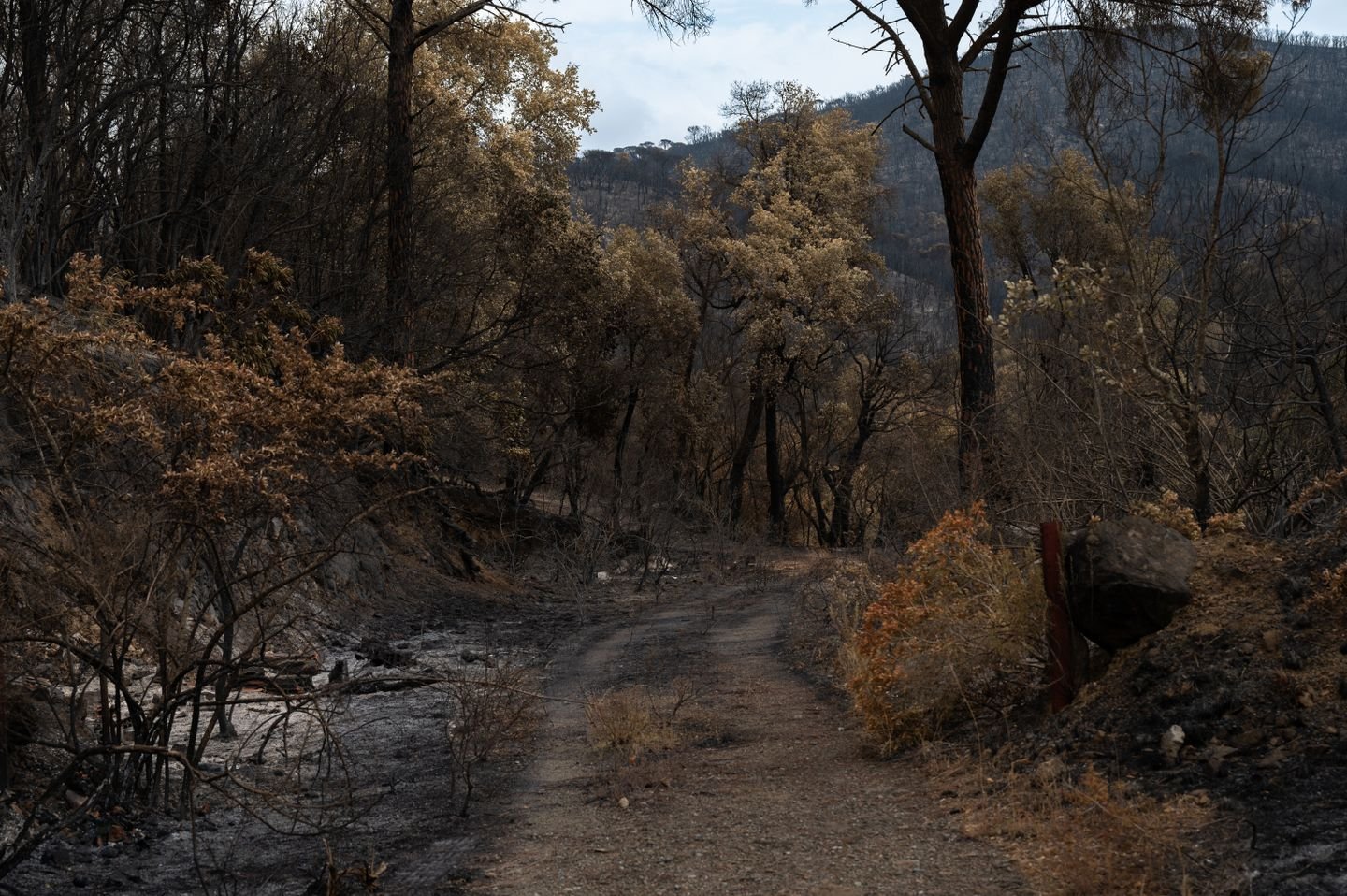
Slow change:
Like rust eating a bridge one flake at a time
Nothing dramatic on any single day; everything different after twenty years. Rust is the classic image of damage that wins by patience rather than force. Example: “The coastline treaty talks dragged on while the shore itself shrank like rust eating a bridge one flake at a time.”
Like a cliff worn down by patient waves
The rock loses the argument a grain of sand at a time, then one morning a whole face of it is gone. Use it for erosion and for any change powered by repetition. Example: “Public opinion shifted like a cliff worn down by patient waves.”
Like grey hair arriving strand by strand
You notice it all at once, long after it quietly began. This gentle simile suits memoirs and essays about realising how much a home landscape has already changed. Example: “The shortening winters came on like grey hair arriving strand by strand.”
Like a tree ring written every year
Each season adds one thin line to a story centuries long. Tree rings literally record climate, which makes this simile both an image and a fact. Example: “The old pine kept the drought years written like a tree ring for every hard summer.”
Sudden change:
Like a dam cracking in the night
Decades of pressure released in a single roaring hour. The dam is the sudden-change counterpart of rust: slow force stored up, then one fast failure. Example: “When the heat dome finally broke, it broke like a dam cracking in the night, and the storm took the whole valley.”
Like a wildfire finding the wind
A small spark handed an entire forest in one afternoon. Writers use it where dry conditions wait quietly until weather turns them explosive. Example: “Fire season arrived like a wildfire finding the wind — one spark in dry grass, and three hillsides were burning by dusk.”
Like ice calving off a glacier
A mountain of frozen water becomes an iceberg in one thunderous minute, after centuries of slow creeping. No image better joins the two speeds of this section. Example: “The front of the glacier gave way like ice calving off a glacier, and the fjord filled with white mountains of its own.”
Like a levee giving way at midnight
The flood everyone measured in centimetres arrives all at once in metres. Use it for thresholds and tipping points, where preparation meets the moment it was built for. Example: “The third night of rain ended like a levee giving way at midnight.”
Quick Reference: 10 Similes for Climate Change at a Glance
Need one fast? This table matches ten of the most useful climate change similes to the situations they describe best.
| Simile | What It Describes |
|---|---|
| Like a fever the Earth cannot shake | The whole crisis of a warming planet in one image |
| Like a greenhouse with the vents sealed shut | Heat trapped by gases with no way to escape |
| Like an ice sculpture at a summer wedding | Glaciers and ice caps disappearing hour by hour |
| Like a bathtub with the tap left running | Sea-level rise that is slow daily and serious yearly |
| Like a tide that forgets to go out | Coastal flooding that lingers longer each year |
| Like dice loaded against the farmer | Weather odds weighted towards bad seasons |
| Like weather written in capital letters | Familiar weather events at extreme size |
| Like a clock with its gears slipping | Seasons and natural timing falling out of step |
| Like rust eating a bridge one flake at a time | Slow change that accumulates quietly for years |
| Like a dam cracking in the night | Sudden change when pressure finally breaks through |
How to Use Climate Change Similes in Writing
First, match the simile to the scale of your scene. A single flooded street wants a small, close image — water creeping up a beach towel. A whole planet in an essay introduction can carry a fever or a sealed greenhouse. Readers trust a writer whose images are the same size as their subject, so let village scenes use household pictures and global arguments use planetary ones.
Second, pair every simile with one honest fact. The image earns attention; the fact earns belief. A sentence about a tide that forgets to go out becomes far stronger when the next line gives the local measure — the extra centimetres your harbour has recorded, or the number of flood days your town counted this decade. Simile first, evidence second: that order works in essays, speeches, and school projects alike.
Third, choose the speed your paragraph needs. Slow similes — rust, tree rings, the rising bathtub — teach patience and accumulation. Sudden similes — the cracking dam, the calving glacier — deliver turning points and climaxes. A strong piece of climate writing usually needs both: the slow build to explain, the sudden break to make the reader feel why the build mattered.
Finally, end on agency where you honestly can. Climate writing does not have to finish in despair; repair and regrowth images — a garden replanted, a thermostat finally repaired — give readers a reason to keep reading and acting. Balance is not false comfort; it is accurate reporting that solutions, like problems, also accumulate one layer at a time.
Common Mistakes to Avoid with Climate Change Similes
Climate change is an emotional subject, which makes its similes easy to overheat. Watch for these five traps.
Reaching for the melting ice cube every single time
The ice cube in a warm drink is the first climate image everyone finds, so readers have seen it in a hundred articles. It fails because familiarity drains force. Fix it by freshening the object: an ice sculpture at a wedding, a freezer with its door open, or candle wax running down the sides all say the same thing with new paint.
Mixing slow and sudden images in one passage
Calling the change both a rusting bridge and an exploding dam in the same paragraph confuses the reader, because one image promises decades and the other promises minutes. Decide which speed your passage is about, then keep every image in it on the same clock.
Preaching instead of showing
A simile chosen to scold the reader stops working as a picture and starts working as a lecture, and lectures get skipped. Let the image carry the argument: a farmer with loaded dice persuades more quietly and more deeply than any sentence that begins with words like shameful or selfish.
Getting the science backwards
An image that contradicts the process it explains quietly teaches the wrong lesson — comparing warming to a blanket being removed, for instance, points the heat in the wrong direction. Check the direction of your picture: heat trapped, ice lost, water rising, timing slipping. If the picture runs backwards, readers remember it backwards.
Stacking disasters until the reader goes numb
A flood, a fire, a drought, and a storm in five lines do not multiply the feeling; they cancel it out. Disaster fatigue is real, and numb readers stop caring entirely. Choose the single strongest image for each paragraph, give it room to work, and let quieter scenes carry the rest.
Frequently Asked Questions
What is a simile for climate change?
A simile for climate change compares some part of the crisis — warming, melting, flooding, shifting seasons — to a familiar everyday thing using like or as. For example, describing the planet as running a fever the Earth cannot shake turns an abstract rise in average temperature into a picture anyone who has been ill can feel.
What is a good simile for global warming?
One of the most useful is like a greenhouse with the vents sealed shut, because it quietly explains the mechanism itself: sunlight and heat get in, but the warmth cannot get back out. For a more human scale, like a runner in a wool coat at noon shows what extra heat does to living bodies.
How do similes help explain climate change?
Climate change happens too slowly and too widely for anyone to watch directly, so similes translate it into household scale. A bathtub filling, a tide forgetting to leave, a clock slipping its gears — each picture compresses decades of measurement into a moment of understanding, which is why teachers and journalists lean on them so heavily.
What is the difference between a simile and a metaphor for climate change?
A simile compares with like or as — the sea rose like a tide that forgets to go out. A metaphor skips the comparison word and states the image directly — the sea was a guest who never left. Similes feel clearer and lighter; metaphors feel bolder and more poetic. Both work, and strong climate writing often mixes them.
Can climate change similes ever be hopeful?
Yes, and the best climate writing usually includes some. Repair and regrowth images — a garden replanted after the flood, a thermostat finally mended, a bridge repainted against the rust — show effort accumulating the same way damage did. Hopeful similes remind readers that slow change runs in both directions.
Final Thought
Climate change is a story told in degrees and decades, and similes are how that story becomes visible. Choose the image that matches your scale, your speed, and your facts — a fever, a tide, a slipping clock — and even the slowest change on Earth can land in a single line. One of its biggest drivers gets its own treatment in similes for pollution.

The PublishScales Editorial Team researches and writes clear, original guides to similes and figurative language.