Some characters and places refuse to explain themselves, and that refusal makes them mysterious. Writers reach for comparisons when plain description feels too open and clear. A stranger, for instance, grows stranger beside a locked door or a drifting fog. Such images work much like similes for shadows, because both hide more than they reveal.
Mysterious scenes appear in detective stories, fairy tales, poems, and school essays alike. A house may keep its windows dark for years. Meanwhile, a guest may smile and answer nothing at all. Therefore, one plain adjective rarely captures that hidden quality fairly.
Use these comparisons in stories, poems, essays, and character sketches. In addition, every simile below carries a clear meaning and example. Read the meaning first, then choose your image. Above all, let the comparison withhold something, so readers keep wondering.
What Does Mysterious Mean in Writing?
A mysterious person, place, or event hides part of its story from view. Secrets, silence, and missing details all feed that effect. In short, readers sense an answer nearby yet cannot reach it. Writers build the feeling through shadows, pauses, and unanswered questions.
Mystery also differs from plain confusion, because confusion has no promised answer. In contrast, mystery hints that a truth exists behind the curtain. Careful writers plant small clues while hiding the biggest one. Overall, the best picture keeps readers curious until the final page.
Similes for Mysterious People and Strangers
People turn mysterious when they reveal little and suggest much. The similes below suit strangers, quiet guests, and secretive characters.
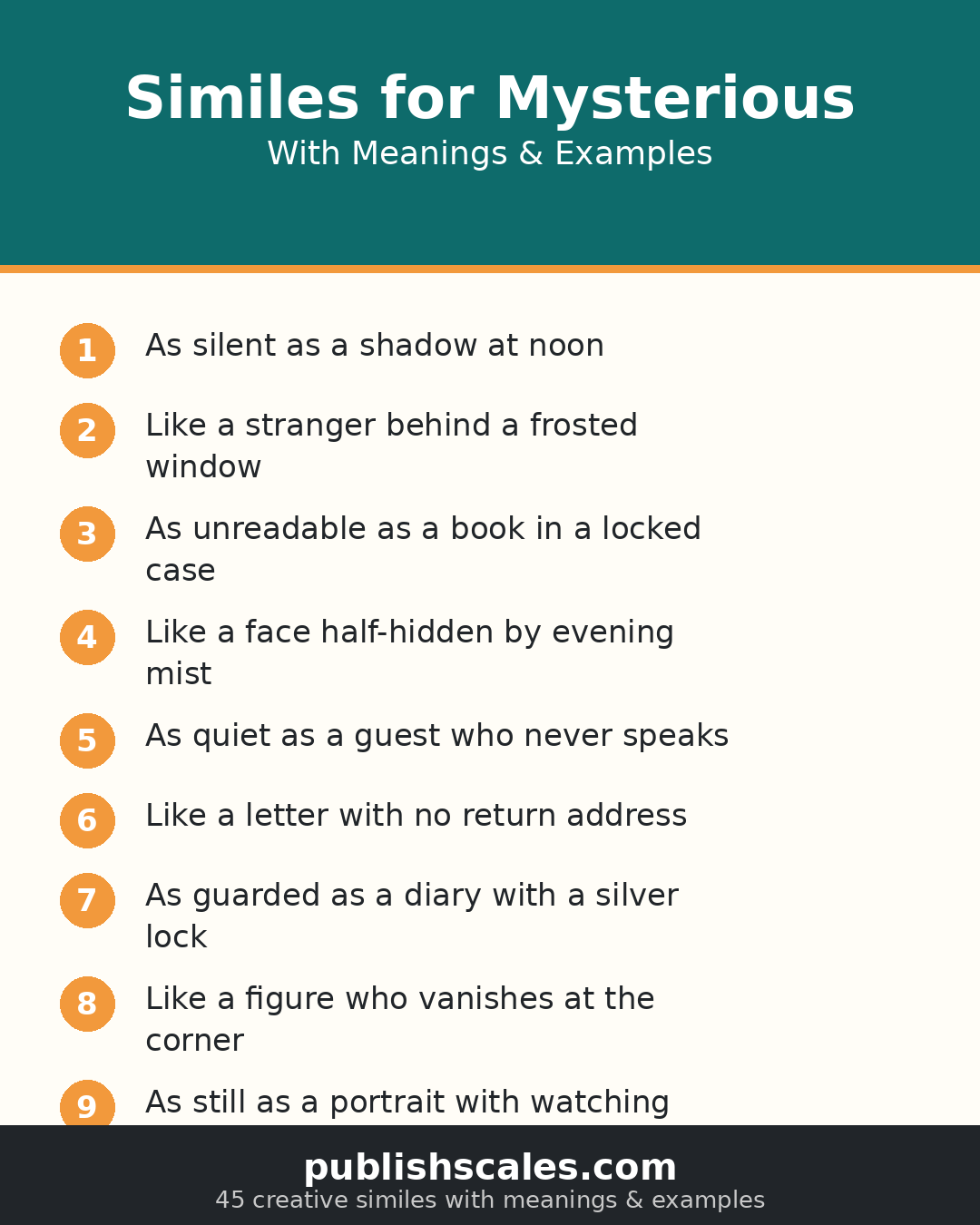
As silent as a shadow at noon
Meaning: This image describes a person who moves through life without drawing attention. In short, nobody notices habits, plans, or feelings.
Example: The new librarian stayed as silent as a shadow at noon.
Like a stranger behind a frosted window
Meaning: This simile shows someone present yet impossible to read clearly. Meanwhile, every gesture arrives blurred and uncertain.
Example: To the whole street, Mr. Hale remained like a stranger behind a frosted window.
As unreadable as a book in a locked case
Meaning: The picture presents feelings and thoughts sealed away from everyone. Therefore, even close friends guess wrongly about this person.
Example: Her grandfather kept his past as unreadable as a book in a locked case.
Like a face half-hidden by evening mist
Meaning: This image suits someone whose expression reveals only fragments. As a result, listeners keep guessing at the hidden half.
Example: The traveller answered like a face half-hidden by evening mist.
As quiet as a guest who never speaks
Meaning: This simile describes a visitor whose silence fills the whole room. Still, everyone wonders what the guest truly thinks.
Example: Uncle Rafi sat as quiet as a guest who never speaks.
Like a letter with no return address
Meaning: The comparison presents someone who arrives without explaining any origin. Consequently, questions about the past stay unanswered forever.
Example: The wandering musician seemed like a letter with no return address.
As guarded as a diary with a silver lock
Meaning: This image shows private thoughts protected with real determination. In fact, even gentle questions meet a polite wall.
Example: About her childhood, Sana stayed as guarded as a diary with a silver lock.
Like a figure who vanishes at the corner
Meaning: This simile captures a person who leaves before anyone learns more. Similarly, every meeting ends one moment too early.
Example: The old watchman slipped away like a figure who vanishes at the corner.
As still as a portrait with watching eyes
Meaning: The picture describes someone calm on the surface yet quietly observant. Above all, the stillness makes others feel examined.
Example: The headmistress listened, as still as a portrait with watching eyes.
Similes for Mysterious Places and Houses
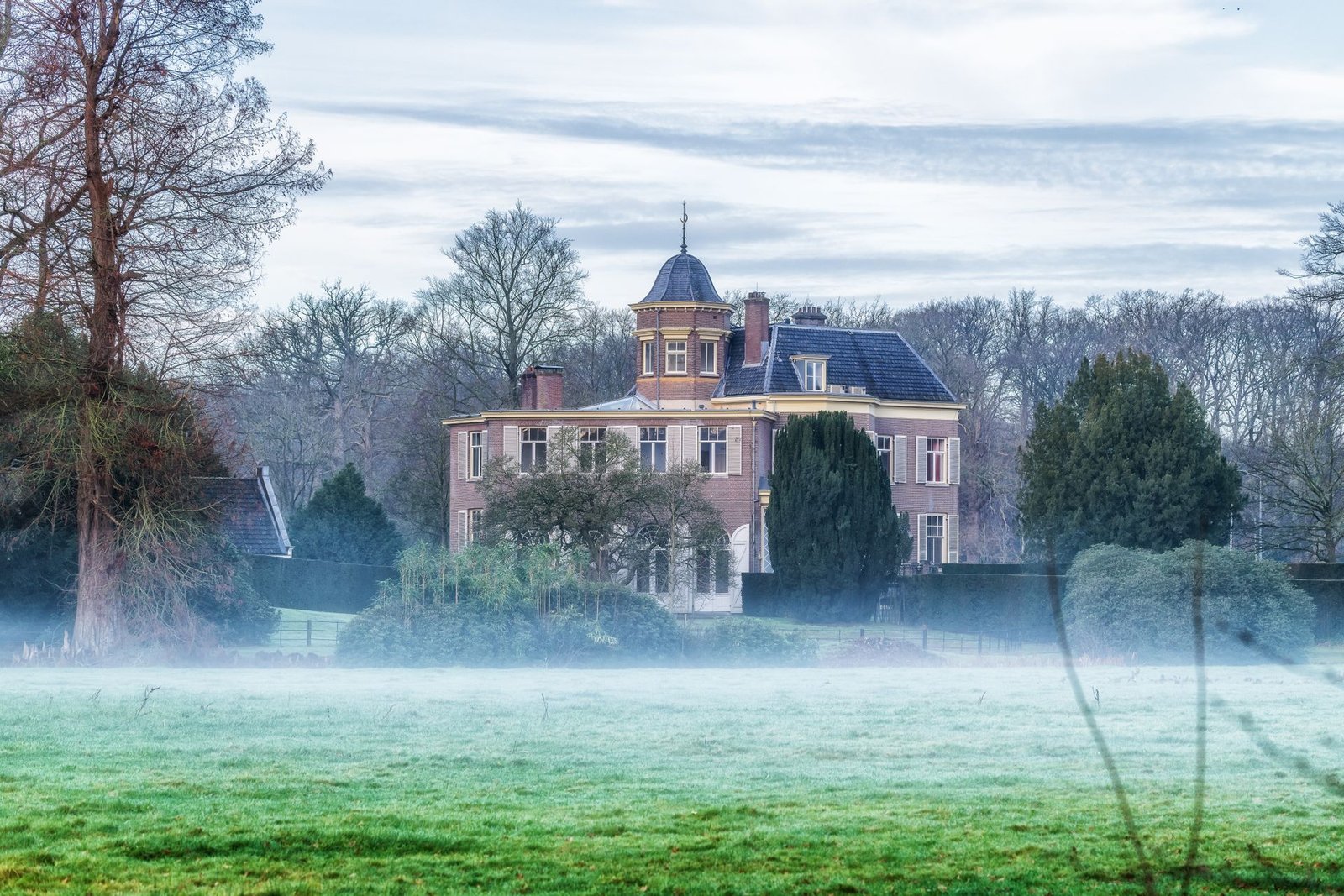
Places grow mysterious when silence and locked doors guard their stories. These similes suit old houses, hidden gardens, and forgotten rooms.
As silent as a house with shuttered windows
Meaning: This image describes a home that gives away nothing about its occupants. In short, the street learns nothing from it.
Example: The hill house stood as silent as a house with shuttered windows.
Like a garden gate that never opens
Meaning: This simile presents a place that refuses every visitor politely. Meanwhile, rumours grow taller than the hedge outside.
Example: The old orchard felt like a garden gate that never opens.
As dark as a cellar without a candle
Meaning: The picture shows a space where sight fails completely. Therefore, every small sound grows larger and stranger there.
Example: The storeroom lay as dark as a cellar without a candle.
Like a corridor that ends in a locked door
Meaning: This image suits a place that promises answers, then withholds them. As a result, visitors leave with more questions.
Example: The hotel’s top floor felt like a corridor that ends in a locked door.
As empty as a chapel after midnight
Meaning: This simile captures stillness so complete that footsteps feel forbidden. Still, the emptiness itself seems to watch quietly.
Example: The waiting hall felt as empty as a chapel after midnight.
Like a cottage swallowed by tall pines
Meaning: The comparison presents a home hidden from roads and neighbours. Consequently, travellers pass it without ever noticing smoke.
Example: The hunting lodge sat like a cottage swallowed by tall pines.
As hushed as a library after closing time
Meaning: This image describes a place keeping its sounds locked away. In fact, even the dust seems to listen.
Example: After the guests left, the hall grew as hushed as a library after closing time.
Like an attic room nobody enters
Meaning: This simile suits a space everyone avoids without explaining why. Similarly, its door collects years of undisturbed dust.
Example: The sealed nursery remained like an attic room nobody enters.
As lonely as a lighthouse in thick fog
Meaning: The picture shows a place cut off from every familiar signal. Overall, its light reaches nobody through the grey.
Example: The border post stood as lonely as a lighthouse in thick fog.
Similes for Mysterious Events and Happenings
Events feel mysterious when causes stay hidden and answers arrive late. The similes below capture knocks, whispers, and strange coincidences.
Like a knock at the door at midnight
Meaning: This image presents an event that arrives uninvited and unexplained. In short, everyone wakes with the same question.
Example: The strange phone call came like a knock at the door at midnight.
As sudden as a light that blinks out
Meaning: This simile describes something ending without warning or reason. Meanwhile, the darkness afterwards feels deeper than before.
Example: The power failed as sudden as a light that blinks out.
Like a whisper with no one near
Meaning: The picture captures a sound that seems to have no source. Therefore, listeners doubt their own ears afterwards.
Example: A voice drifted past like a whisper with no one near.
As strange as footprints that stop mid-path
Meaning: This image suits an event whose trail simply ends. As a result, every explanation sounds thinner than the last.
Example: His disappearance stayed as strange as footprints that stop mid-path.
Like a bell ringing in an empty tower
Meaning: This simile describes a signal nobody admits to sending. Still, the whole village hears it and wonders.
Example: The alarm sounded like a bell ringing in an empty tower.
As puzzling as a key that fits no lock
Meaning: The comparison presents a clue that promises much and opens nothing. Consequently, investigators turn it over for hours.
Example: The found diary stayed as puzzling as a key that fits no lock.
Like a shadow crossing a moonlit wall
Meaning: This image shows a brief event that leaves no proof behind. In fact, witnesses argue about it for days.
Example: Something passed like a shadow crossing a moonlit wall.
As quiet as snow falling on a sleeping village
Meaning: This simile describes an event unfolding almost beyond hearing. Similarly, the world seems to hold its breath.
Example: The secret meeting ended as quiet as snow falling on a sleeping village.
Like a message written in fading ink
Meaning: The picture presents information that disappears while people read it. Above all, the missing words matter most.
Example: Her warning reached us like a message written in fading ink.
Similes for Mysterious Nature and Night
Nature hides its secrets in fog, darkness, and deep water. Such scenes feel close to similes for dream, where nothing explains itself fully.
As deep as a forest after sunset
Meaning: This image describes darkness and silence layering mile upon mile. In short, the path home feels suddenly far.
Example: The valley grew as deep as a forest after sunset.
Like mist that hides the whole valley
Meaning: This simile presents a scene that withdraws from view completely. Meanwhile, familiar landmarks turn into rumours.
Example: The truth hung there like mist that hides the whole valley.
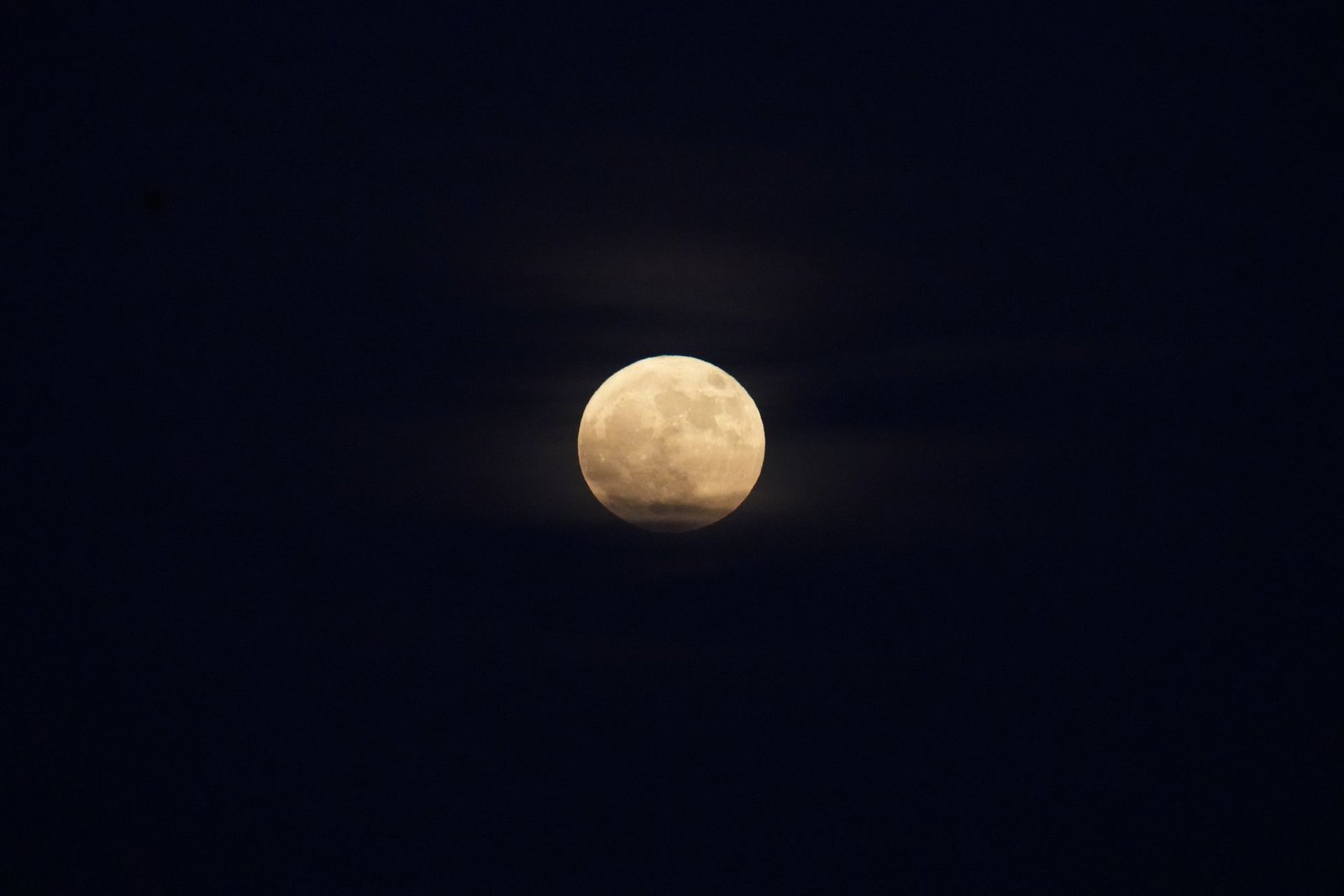
As silent as the moon behind clouds
Meaning: The picture shows a presence felt rather than clearly seen. Therefore, watchers keep glancing upward, half expecting light.
Example: The old house waited, as silent as the moon behind clouds.
Like a river running black under ice
Meaning: This image suits hidden movement beneath a calm surface. As a result, nobody guesses the strength below.
Example: Her anger flowed like a river running black under ice.
As dark as a cave beneath the hill
Meaning: This simile describes a place where daylight never reaches. Still, dripping water suggests depths beyond the entrance.
Example: The cellar mouth gaped as dark as a cave beneath the hill.
Like an owl calling from unseen branches
Meaning: The comparison presents a voice arriving without a visible speaker. Consequently, the whole wood feels briefly haunted.
Example: A cry echoed like an owl calling from unseen branches.
As still as a lake before a storm
Meaning: This image captures calm that feels loaded with coming change. In fact, the silence itself becomes the warning.
Example: The crowd waited, as still as a lake before a storm.
Like stars hidden behind drifting smoke
Meaning: This simile describes beauty that exists yet refuses display. Similarly, watchers sense light without truly seeing it.
Example: The answers stayed like stars hidden behind drifting smoke.
As endless as a road through night fog
Meaning: The picture presents a journey where landmarks never arrive. Overall, travellers doubt every mile behind them.
Example: The investigation stretched as endless as a road through night fog.
Similes for Funny and Light Mysterious Things
Mystery also appears in small, funny moments at home. These playful similes suit cheeky pets, hidden treats, and family secrets.
Like a cat who knows something you do not
Meaning: This image describes a pet whose smug silence suggests a secret. In short, the whole house feels outsmarted.
Example: The parrot watched us like a cat who knows something you do not.
As secretive as a squirrel burying one nut
Meaning: This simile mocks grand secrecy over something tiny. Meanwhile, the performance matters more than the treasure itself.
Example: Bilal turned as secretive as a squirrel burying one nut.
Like a magician guarding a simple trick
Meaning: The picture presents pride and secrecy wrapped around something small. Therefore, the reveal always risks disappointing everyone.
Example: Uncle kept his card game like a magician guarding a simple trick.
Like a sock that vanishes in the wash
Meaning: This image suits a small mystery every household recognises. As a result, nobody trusts the washing machine again.
Example: Her left glove disappeared like a sock that vanishes in the wash.
Like a remote control that hides itself
Meaning: This simile describes an everyday object developing suspicious habits. Still, it always returns once nobody searches.
Example: The house keys behaved like a remote control that hides itself.
As sly as a toddler with chocolate on his chin
Meaning: The comparison shows a secret that the face openly betrays. Consequently, the denials only make everyone laugh harder.
Example: He denied everything, as sly as a toddler with chocolate on his chin.
As unreadable as a doctor’s rushed handwriting
Meaning: This image mocks writing that hides its own message completely. In fact, even the writer squints at it later.
Example: His shopping list stayed as unreadable as a doctor’s rushed handwriting.
Like a birthday gift wrapped in three boxes
Meaning: This simile presents layers of secrecy around one small surprise. Similarly, each layer raises hopes and laughter.
Example: Her announcement came like a birthday gift wrapped in three boxes.
As secretive as a recipe nobody shares
Meaning: The picture describes family knowledge guarded with cheerful stubbornness. Above all, the dish itself keeps the secret delicious.
Example: Grandma’s sauce stayed as secretive as a recipe nobody shares.
Quick Comparison Table
The table below matches nine mysterious similes to their best uses and tones.
| Simile | Best For | Tone |
|---|---|---|
| As silent as a shadow at noon | Secretive strangers | Calm |
| As dark as a cellar without a candle | Lightless places | Ominous |
| Like a knock at the door at midnight | Unexplained events | Tense |
| As strange as footprints that stop mid-path | Vanishing trails | Eerie |
| Like mist that hides the whole valley | Hidden scenes | Soft |
| As still as a lake before a storm | Loaded calm | Suspenseful |
| Like a whisper with no one near | Sourceless sounds | Chilling |
| Like a cat who knows something you do not | Smug pets | Comic |
| As guarded as a diary with a silver lock | Private people | Firm |
How to Use Mysterious Similes in Writing
Choose the Right Amount of Hidden Detail
Mystery depends on balance, because readers need clues yet deserve one locked door. Give them a strange sound, an odd habit, or a missing object first. In addition, hold back the explanation until the scene earns it. A simile should point towards the secret without opening it. Therefore, hide the cause and show only the effect clearly.
Match the Simile to the Kind of Mystery
A mysterious person, a haunted place, and a strange event each need different pictures. A locked diary suits a silent stranger, while a dark cellar suits a forgotten house. Meanwhile, a sourceless whisper fits an unexplained event far better. Choosing the wrong family of images, in contrast, blurs the effect. In short, let the subject decide the comparison.
Place the Strongest Image at the Turning Point
Save your most mysterious simile for the moment the story changes direction. A door opens, a name appears, or a light fails without warning. Readers then lean closer, much as they do with similes for curious minds chasing one more clue. Earlier scenes, in contrast, should use gentler images and smaller hints. Finally, let the strongest picture arrive exactly when questions peak.
Pair Mystery with Ordinary Details
Strange images convince readers faster when ordinary details surround them. A silent stranger, for example, becomes stranger beside a ticking clock and cold tea. Such plain objects give the mystery a believable home inside the scene. In addition, everyday settings make the hidden element stand out sharply. Overall, one impossible detail inside a normal room frightens readers most.
Let Some Questions Stay Unanswered
Not every mystery needs a full solution by the final page. A vanished figure, for instance, may stay vanished while the story still feels complete. Readers often enjoy carrying one open question home with them. In contrast, explaining everything can flatten a carefully built atmosphere. Above all, answer the main question and let one small shadow remain.
Common Mistakes to Avoid with Mysterious Similes
Explaining the Mystery Too Early
Many writers reveal the secret in the same paragraph that creates it. The simile then loses its shadow, and readers stop guessing at once. For example, a hidden stranger becomes ordinary once the narrator explains his whole past. Therefore, delay the answer and let scenes accumulate questions instead. In short, timing protects the mystery far better than darkness.
Stacking Too Many Dark Images
Fog, shadows, locked doors, and whispers cannot share every single paragraph. Each new image cancels the previous one, so readers stop picturing anything clearly. Instead, choose one strong comparison and give it room to breathe. Meanwhile, ordinary sentences between images rebuild contrast and calm. Finally, a single shadow on a bright page looks darker than ten together.
Making Everything Equally Mysterious
A story where every character hides something gives readers no solid ground. Ordinary people and plain places, in contrast, make the true mystery stand out sharply. Readers need someone honest beside the silent stranger. In addition, a normal room makes the locked room upstairs feel stranger. Overall, contrast creates mystery far more reliably than constant darkness everywhere.
Using Clichés Without a Fresh Twist
Dark and stormy nights have served mystery writers for two centuries already. Readers now glide past such pictures without feeling any chill at all. A fresher detail, like a whisper under the stairs, can restore the effect instantly. Still, the classic images work when one surprising detail changes them. Therefore, twist every familiar picture before trusting it.
Confusing Mystery with Confusion
Mystery promises a hidden answer, while confusion offers none at all. Readers forgive unanswered questions, yet they resent scenes that make no sense. For example, a stranger with a secret invites guessing, but random events invite only frustration. In short, hide the answer carefully and keep every visible clue honest. Consequently, readers trust the puzzle and keep turning pages.

Frequently Asked Questions
What is a simile for mysterious?
A simile for mysterious compares a hidden person, place, or event with a familiar picture. For example, a silent stranger may seem like a letter with no return address. Such images suggest a secret instead of explaining it.
What is the most famous mysterious simile?
A shadow probably carries mystery more famously than any other image. Writers have used shadows, fog, and locked doors for centuries, because everyone understands hidden things. Fresher pictures, however, can surprise modern readers more.
How do I describe a mysterious person without saying mysterious?
Show the person hiding small things: answers, habits, or a past. Then add one matching simile, like a diary with a silver lock. As a result, readers sense the secret themselves without any label.
Can mysterious similes be funny?
Yes, small everyday mysteries suit comedy perfectly well. A vanishing sock or a smug cat turns secrecy into a household joke. In short, humour works when the hidden thing stays harmless.
What is the difference between mysterious and scary similes?
Scary similes aim at fear, while mysterious similes aim at unanswered questions. A growl in the dark frightens, but a whisper with no source puzzles. In fact, mystery can exist without any danger at all.
How many mysterious similes should a story use?
Usually, a few well-placed similes carry a whole mysterious chapter. One strong image at the turning point matters more than ten scattered ones. Finally, save fresh comparisons for the biggest reveal.
Final Thought
Mystery becomes unforgettable when a picture hides as much as it shows. Locked diaries, sourceless whispers, and fogbound roads all leave one door closed. In the end, readers remember the questions a story refused to answer.
Start with one honest detail, like a stranger who never explains his arrival. Then let your simile guard that detail until the final page.

The PublishScales Editorial Team researches and writes clear, original guides to similes and figurative language.