Every object that stands in the light carries a second, darker self along with it. Shadows stretch at breakfast, shrink at noon, and swallow whole forests by night. Yet writers often pass them by with the flat word dark. They waste one of the finest tools in description. This is where similes for shadows earn their place. A simile compares the shadow to something familiar. Its shape, its silence, and its mood then reach the reader in a single line. The dictionary keeps the idea plain. A shadow is the dark figure a body casts by intercepting light, as the Merriam-Webster definition of shadow explains. A good simile takes that plain physics and gives it a personality, loyal, guilty, patient, or afraid.
Shadows, of course, are close kin to stillness, because a shadow never hurries and never makes a sound. If you need comparisons for quiet itself, our similes for still collection explores that silence further. Below, in contrast, you will find forty-five similes for shadows of every behaviour. They run from flat shapes on a pavement to the shade one person casts over a whole life. Each one comes with a plain meaning and an example sentence. You can lift it straight into your own stories, poems, and essays.
Shape and Darkness
Begin with what a shadow looks like, because every reader has watched one perform. Indeed, shadows are the world’s oldest cinema: flat, silent, and constantly changing shape. These similes describe outlines, edges, and pools of shade, so they suit scene-setting in fiction, nature writing, and poetry.
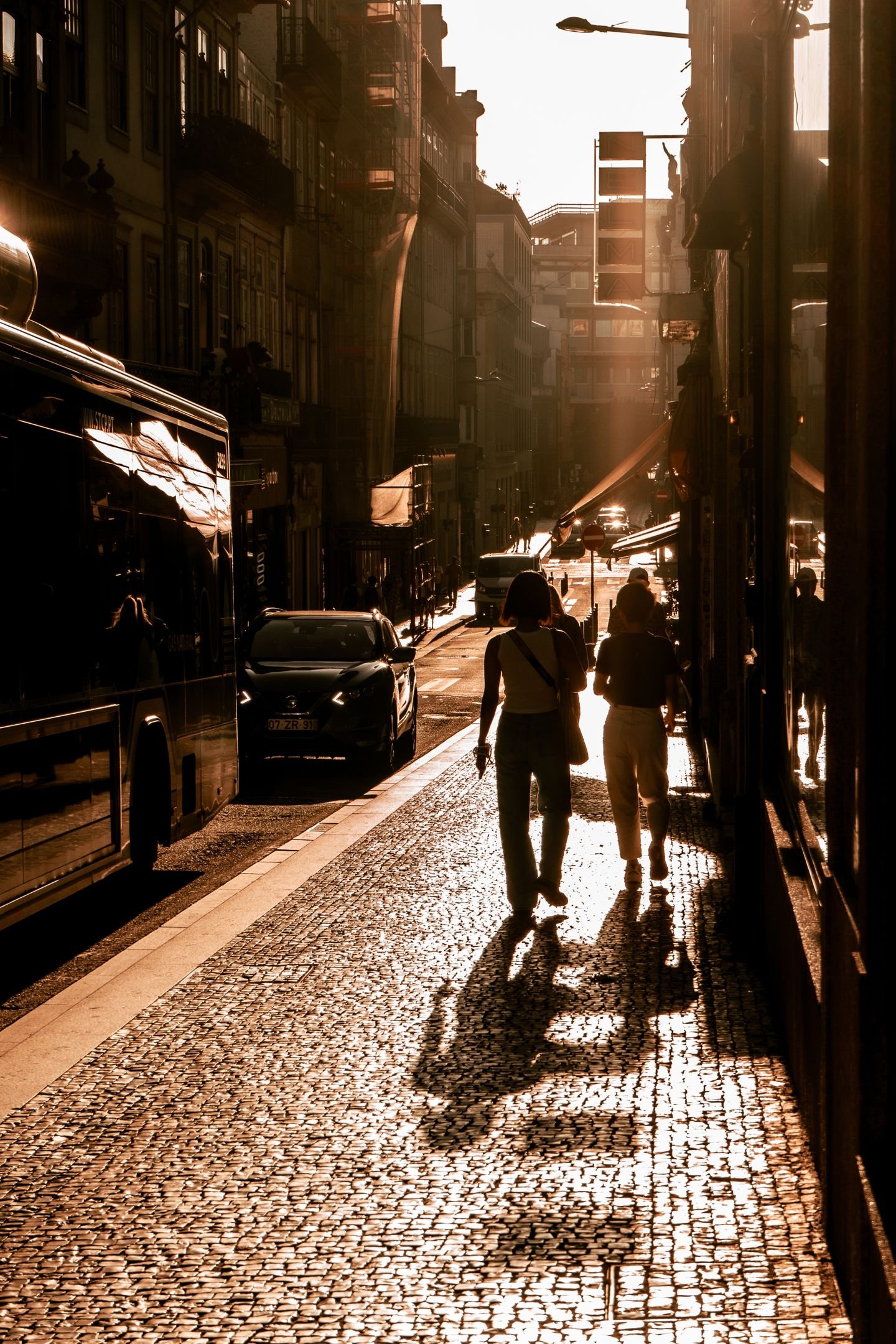
- stretched like ink spilled across the pavement
Meaning: spread in a long, dark, irregular shape over the ground.
Example: At six o’clock his shadow stretched like ink spilled across the pavement, twice the man and half as solid. - pooled like spilled treacle under the trees
Meaning: gathered in thick, black, glossy patches where the light could not reach.
Example: All afternoon the shade pooled like spilled treacle under the trees, and the picnickers migrated into it gratefully. - as flat as a painting nailed to the wall
Meaning: completely without depth, a shape and nothing more.
Example: At noon the donkey’s shadow lay as flat as a painting nailed to the wall, all outline and no body. - as silent as a held breath
Meaning: utterly noiseless, present without announcing itself.
Example: The shadow of the hawk crossed the field as silent as a held breath, and the rabbits froze mid-bite. - spread like a bruise across the snow
Meaning: widened slowly in blue and purple shades, marking where the light had been hurt away.
Example: Towards evening the mountain’s shadow spread like a bruise across the snow, and the temperature fell with it. - danced like smoke on the wall
Meaning: flickered and wavered, never holding one shape for long.
Example: In the firelight her shadow danced like smoke on the wall. Meanwhile, the story she told seemed to move with it. - fell across the field like a blade
Meaning: cut the sunlight with one clean, sharp edge.
Example: The church tower’s shadow fell across the field like a blade, dividing the gold wheat from the grey. - lay across the road like fallen ladders
Meaning: striped the ground in long parallel bars.
Example: Between the poplars the shadows lay across the road like fallen ladders. The cyclist bumped through light and dark, light and dark. - shrank like a puddle at noon
Meaning: contracted to almost nothing under a high sun.
Example: By midday every shadow in the courtyard had shrunk like a puddle at noon, hiding directly underneath its owner.
Following and Clinging
A shadow is the one companion nobody can dismiss. It copies, it waits, and it keeps pace through every season of a life. That is exactly why poets adopt it as a symbol of conscience, memory, and loyalty. The similes below describe shadows that follow, cling, and refuse to be left behind.
- followed like a faithful dog at his heels
Meaning: stayed close behind through every step, patient and devoted.
Example: Down the whole white road the boy’s shadow followed like a faithful dog at his heels. It was the only company the morning offered. - stuck like a second skin
Meaning: attached completely, impossible to peel away.
Example: In the tropics the shade stuck like a second skin. In fact, stepping out of it felt like stepping out of himself. - trailed like a cloak he could not take off
Meaning: dragged behind him everywhere, part of his public figure.
Example: His past trailed like a cloak he could not take off, and every new town heard it rustling behind him. - kept pace like a silent twin
Meaning: matched every movement exactly, at the same speed, without a word.
Example: The dancer rehearsed alone, yet never alone: her shadow kept pace like a silent twin on the studio wall. - clung like a burr to a coat
Meaning: attached itself in childhood fashion, small, stubborn, and hard to shake loose.
Example: The little brother clung like a burr to a coat all summer. He was a small shadow with scraped knees and endless questions. - copied every move like a mirror lying on the ground
Meaning: reproduced each gesture faithfully, flattened beneath its owner.
Example: On the bright plaza the mime’s shadow copied every move like a mirror lying on the ground. It performed the same show for the stones. - slipped through the gate like an uninvited companion
Meaning: entered everywhere its owner entered, permission never asked.
Example: His guilt slipped through the gate like an uninvited companion, sat at the table, and stayed for the whole wedding. - stayed closer than his own brother
Meaning: nearer than any human loyalty could manage.
Example: Through forty years of wandering, the old sailor joked that his shadow stayed closer than his own brother. It was considerably quieter, too. - obeyed the sun like a tide obeying the moon
Meaning: lengthened and shortened by a law far greater than itself.
Example: All day the courtyard shadows obeyed the sun like a tide obeying the moon, flooding east, retreating west.
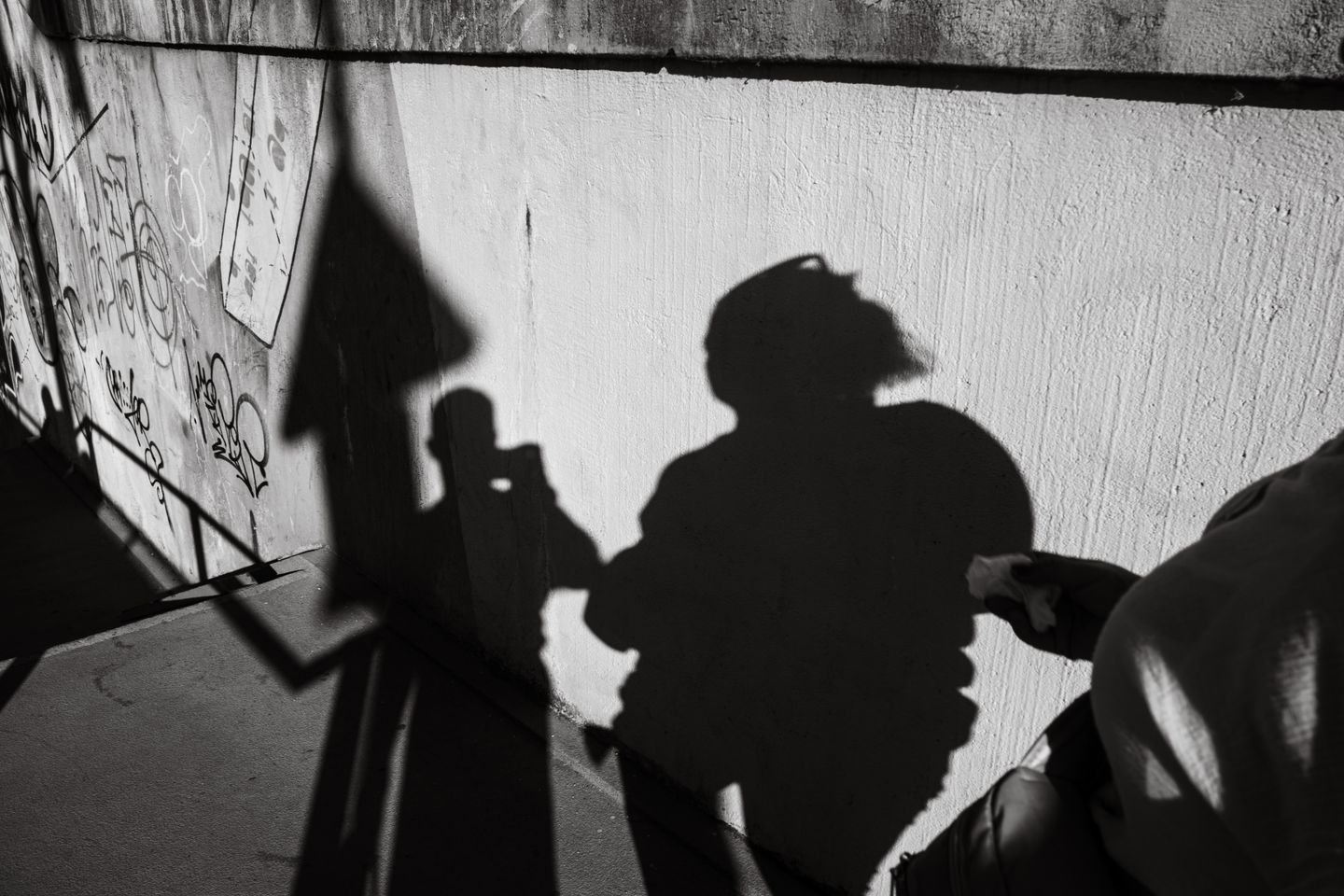
Fear and Mystery
Now darken the room. Shadows are the raw material of ghost stories. The mind insists on giving every shape an owner, and every owner an intention. These similes therefore deal in unease: looming figures, swallowed paths, and shade falling across a happy day.
- moved like a ghost rehearsing its haunting
Meaning: drifted with slow, deliberate strangeness, as if practising to frighten.
Example: Behind the curtains the shadow of the branch moved like a ghost rehearsing its haunting. The child pulled the blanket higher. - loomed like a giant standing up slowly
Meaning: grew larger and larger on the wall, far bigger than the thing casting it.
Example: As the lamp swung, the cat’s shadow loomed like a giant standing up slowly, until it owned the whole ceiling. - as cold as a hand on the back of the neck
Meaning: a sudden, intimate chill that raises the skin.
Example: The shadow of the ruined tower fell across their picnic as cold as a hand on the back of the neck. The laughter thinned. - swallowed the path like a mouth closing
Meaning: took the way forward into darkness, bite by bite.
Example: In the deep forest the evening swallowed the path like a mouth closing. Consequently, the walkers turned back while they still could. - watched like a stranger in a doorway
Meaning: stayed motionless at the edge of the scene, unexplained and unwelcome.
Example: A tall shadow watched like a stranger in a doorway, neither entering nor leaving. Then someone lit the lamp. It was only the coat stand. - fell across the wedding like a cloud over a picnic
Meaning: spoiled a bright occasion with a passing but unmistakable gloom.
Example: The news of the bankruptcy fell across the wedding like a cloud over a picnic. The music played on, a little too bravely. - hung over the house like a rumour nobody repeats
Meaning: present everywhere, spoken nowhere, known by all.
Example: After the trial, disgrace hung over the house like a rumour nobody repeats, seasoning every conversation it never entered. - made the nursery strange, like a room in another house
Meaning: transformed the familiar into the unfamiliar without moving a single object.
Example: Moonlight through the bars of the cot made the nursery strange, like a room in another house. The mother checked the sleeping child twice. - arrived like the first line of a sad letter
Meaning: appeared quietly, carrying news the heart understood before the mind.
Example: The shadow of old age arrived like the first line of a sad letter. It appeared in the mirror one grey morning, politely undeniable.
Evening and Fading Light
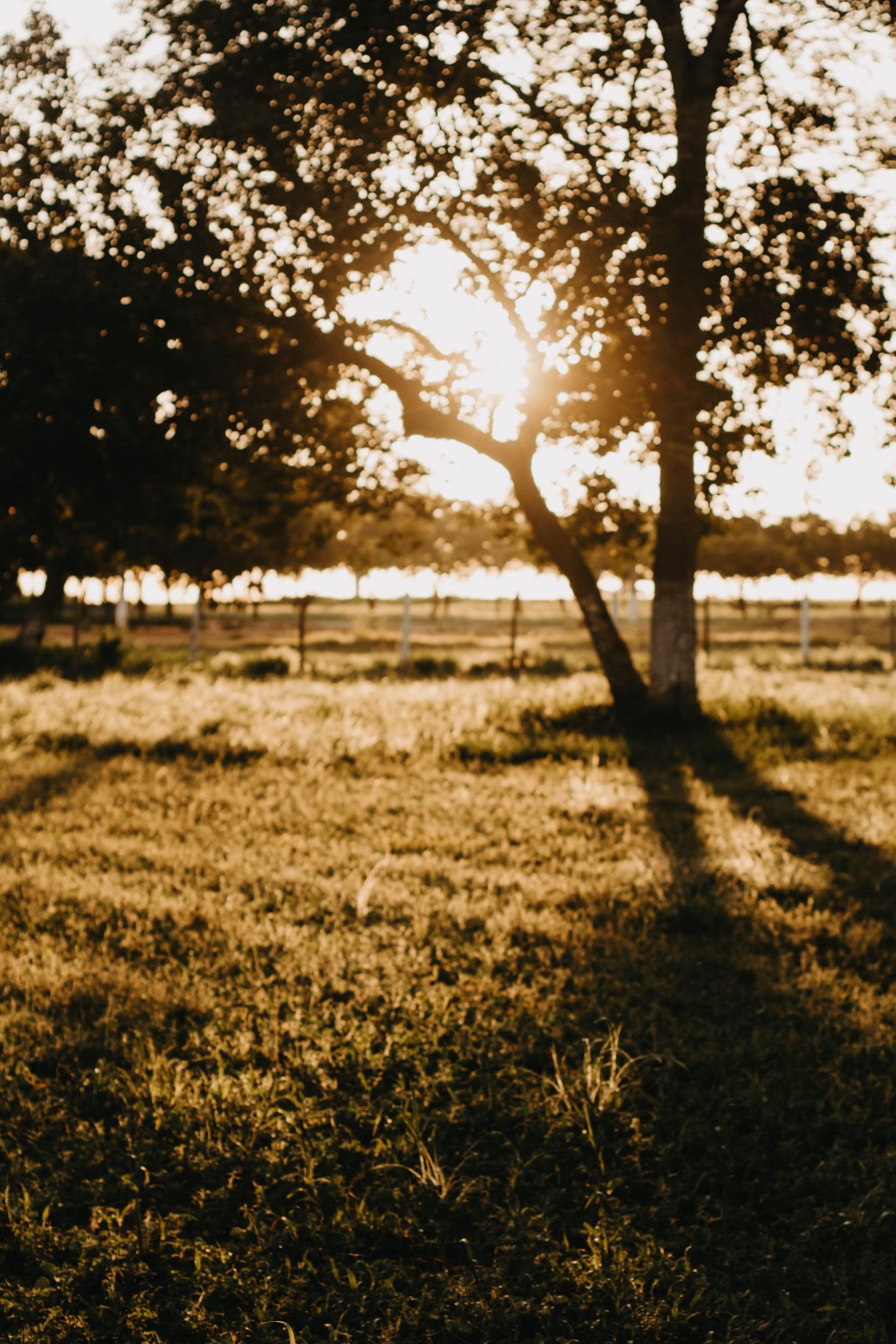
Sunset is the shadow’s finest hour, literally: everything lengthens, softens, and joins hands across the fields. These similes describe dusk arriving and shadows merging into night. They evoke the brief grey kingdom that painters and poets love best.
- lengthened like cats stretching after sleep
Meaning: extended slowly and luxuriously as the sun went down.
Example: One by one the fence posts’ shadows lengthened like cats stretching after sleep, reaching across the whole yard. - flowed like dark water between the trees
Meaning: spread smoothly and quietly, filling every low place.
Example: At dusk the shadow flowed like dark water between the trees. It rose around the trunks until the wood stood in a black lake. - melted into the dark like sugar into tea
Meaning: dissolved gradually until no separate shape remained.
Example: One by one the garden shadows melted into the dark like sugar into tea. Then there was only night, evenly sweet. - came early like an uninvited evening guest
Meaning: arrived before it was welcome, as winter dusk always does.
Example: In December the shadow of the hill came early like an uninvited evening guest, settling over the village by four. - stitched the fields like a quilt of grey
Meaning: joined patch to patch until the whole landscape was one soft cover.
Example: From the train window, hedgerow shadows stitched the fields like a quilt of grey. The passengers fell quiet and sleepy. - climbed the hill like the sea climbing a shore
Meaning: advanced steadily upward, covering the land in a slow tide.
Example: The valley’s shadow climbed the hill like the sea climbing a shore, putting out the windows one by one. - deepened like a well at evening
Meaning: grew darker the longer you looked into it.
Example: Under the bridge the shadow deepened like a well at evening. Indeed, the water below had vanished entirely. - vanished at noon like guests after breakfast
Meaning: departed promptly and completely when its hour ended.
Example: The terrors of the night vanished at noon like guests after breakfast, leaving only sunshine and mild embarrassment. - retired like actors leaving a stage
Meaning: withdrew in order, each at its cue, when the performance of day ended.
Example: When the lamps came on, the shadows retired like actors leaving a stage, replaced at once by their electric understudies.
Living in a Shadow
Finally, the shadow leaves the ground and enters the biography. People live in the shadows of famous parents, older siblings, and their own pasts. Feelings cast shadows too. Doubt, grief, and relief all borrow the same image. These similes serve character writing, essays, and speeches about real lives.
- lived in his brother’s shadow like a plant under a great tree
Meaning: grew up overshadowed by a stronger figure, short of light and praise.
Example: The younger son lived in his brother’s shadow like a plant under a great tree. He was healthy enough, but never once in the sun. - hung over the family like a debt nobody mentioned
Meaning: burdened everyone silently, present in every plan and pleasure.
Example: The lost house hung over the family like a debt nobody mentioned. As a result, every celebration ended a little early. - followed her like a reputation she could not outrun
Meaning: travelled with her into every new place, arriving almost before she did.
Example: The old scandal followed her like a reputation she could not outrun, changing trains whenever she changed trains. - passed over his face like a cloud over a field
Meaning: crossed his expression briefly, darkening it, then moving on.
Example: At the mention of the war, a shadow passed over his face like a cloud over a field. The table respected the weather. - weighed no more than the shadow of a bird crossing the sun
Meaning: a passing worry, real for a second and gone the next.
Example: Her doubt weighed no more than the shadow of a bird crossing the sun. By the time she looked up, the light was whole again. - kept her grief like the far side of the moon
Meaning: held her sorrow permanently turned away from every viewer.
Example: She kept her grief like the far side of the moon, present, enormous, and arranged never to be seen. - shrank like a shadow when the lamp is lit
Meaning: diminished at once when knowledge or truth entered the room.
Example: Once the accounts were published, the conspiracy shrank like a shadow when the lamp is lit. It was embarrassed by its own smallness. - grew longer than the man himself, like an evening shadow
Meaning: his fame or influence outgrew the person who cast it.
Example: By the end, the founder’s legend grew longer than the man himself, like an evening shadow. Interns quoted a person who had never existed. - lifted like a shadow leaving a wall at dawn
Meaning: departed quietly as new light arrived, making room for the day.
Example: When the letter finally came, the long worry lifted like a shadow leaving a wall at dawn. Breakfast tasted of relief.
Quick Reference: 10 Shadow Similes at a Glance
When you need a comparison in a hurry, the table below collects ten of the most useful similes for shadows on this page. It also shows the job each one does best.
| Simile | Best For |
|---|---|
| stretched like ink spilled across the pavement | A long evening shadow |
| pooled like spilled treacle under the trees | Deep shade at midday |
| as silent as a held breath | A shadow passing unnoticed |
| followed like a faithful dog at his heels | A constant companion |
| stuck like a second skin | Shade that cannot be escaped |
| moved like a ghost rehearsing its haunting | A frightening shadow |
| loomed like a giant standing up slowly | A shadow growing on a wall |
| lengthened like cats stretching after sleep | Shadows at sunset |
| lived in his brother’s shadow like a plant under a great tree | An overshadowed person |
| lifted like a shadow leaving a wall at dawn | Relief and hope |
How to Use Shadow Similes in Writing
First, remember that a shadow has an owner and a light source, and let both shape your simile. A shadow is never just darkness; it is darkness with a biography. Write that the tower’s shadow fell like a blade. The reader then sees the tower, the sun, and the wound of shade in one stroke.
Next, use the following shadow for character. Nothing describes conscience or an unwanted past more economically. Only a thing that trails a person at his own pace, and waits at every door, comes close. Horror writers use the same device in reverse. Their shadow arrives before its owner, or moves after he stops. It frightens because it breaks the faithful-dog rule.
Finally, let shadows tell the time. Morning shadows point one way and stretch; noon shadows hide under their owners; evening shadows hold the longest conversations. A single accurate shadow simile can date a scene more gracefully than any clock. Readers feel the hour without being told it.
Common Mistakes to Avoid with Shadow Similes
Letting every shadow creep
In lazy horror writing, shadows only ever creep, lurk, and slither, until the words stop frightening anyone. However, real shadows mostly stretch, pool, follow, and retire. Save the sinister verbs for the one shadow that truly misbehaves, and it will chill the room.
Getting the physics wrong
Long shadows at noon and short ones at sunset quietly break the reader’s trust in your world. Shadows shrink as the sun climbs and stretch as it falls; they also fall away from the light. Check the hour in your scene before you dress it, and the detail will reward you.
Confusing shadow with darkness
Total darkness has no shadows in it at all, because a shadow needs light to exist. A shadow is a shape with edges and an owner; darkness is an absence. When writers merge the two, their night scenes turn to soup, so keep the distinction and both tools stay sharp.
Spending the shadow on every sadness
Grief, doubt, fear, disgrace, and debt can all be shadows, but not in the same chapter. If every sorrow in a story wears the same image, the image goes threadbare. Therefore, keep one shadow per emotional theme and find other pictures, weather, weight, weather again, for the rest.
Forgetting the relief of dawn
Shadows lift as faithfully as they fall. Writers who use only the falling half miss the most hopeful image in the set. A worry that lifts like a shadow leaving a wall at dawn closes a scene with light. Endings, after all, are where shadows do their kindest work.
Frequently Asked Questions
What is a good simile for a shadow?
The all-purpose classic is followed like a faithful dog at his heels. It captures loyalty, silence, and perfect obedience to its owner. For scenery, stretched like ink spilled across the pavement is more visual. Both, moreover, are true to the physics, which keeps them believable.
Which simile describes a long shadow?
Evening gives you the best material. Take lengthened like cats stretching after sleep for charm. Take stretched like ink spilled across the pavement for drama. If the shadow feels threatening, the tower’s blade, fell across the field like a blade, adds a cutting edge. Choose by mood, not merely by length.
What is a scary simile for a shadow?
Moved like a ghost rehearsing its haunting suits a shadow seen through a curtain at night. Loomed like a giant standing up slowly suits one growing on a wall. The secret is scale and patience: fear grows when the shadow is bigger than its owner and in no hurry at all.
Is shadow of a doubt a simile?
Strictly, no; it is a metaphor, because it compares doubt to a shadow without using like or as. It remains, however, the most famous shadow phrase in English. It shows the image’s real power. The smallest possible shadow stands for the smallest possible doubt. Writers can borrow the idea and rebuild it as a true simile, as this page does with the bird crossing the sun.
How do I describe evening shadows?
Watch what they do, not only how they look. They lengthen, merge, climb hills, and finally melt into general darkness like sugar into tea. A verb-led simile, flowed like dark water between the trees, will therefore always beat a static description. Dusk itself is a movement.
How can I create my own shadow simile?
First, watch a real shadow and note its strangest true quality: its silence, its copying, its patience. Then find a familiar thing with that quality, a dog, a twin, a tide, and join the two with like or as. Finally, check the light: if your simile respects the sun, the reader will trust it completely.
Final Thought
A shadow is the cheapest special effect in literature: it costs no light, only the observation of it. Used well, it can follow a guilty man or crown a sunset. It can even lift a worried heart at dawn, all without raising its voice. Choose among similes for shadows the one that behaves like your scene feels. Respect the sun that casts it. Your quietest image may be the one readers remember longest. When the scene feels strange as well as dark, our similes for strange can help you name that uneasy mood.

The PublishScales Editorial Team researches and writes clear, original guides to similes and figurative language.