“Nice,” “big,” and “beautiful” describe nothing — similes describe everything. Below you will find creative similes for describing people, places, nature, feelings, and everyday things, each with a clear meaning and an example sentence you can drop into stories, essays, and descriptions of your own.
What Is a Simile for Describing?
To describe is to give an account in words — and a descriptive simile does that job by comparison: instead of “the man was tall,” you write “tall like a lighthouse.” Descriptive similes are the engine of every comparison bank, including our master list of similes for comparisons.
Creative Similes for Describing
Describing People Similes
For faces, characters, and the people who walk into your first paragraph.
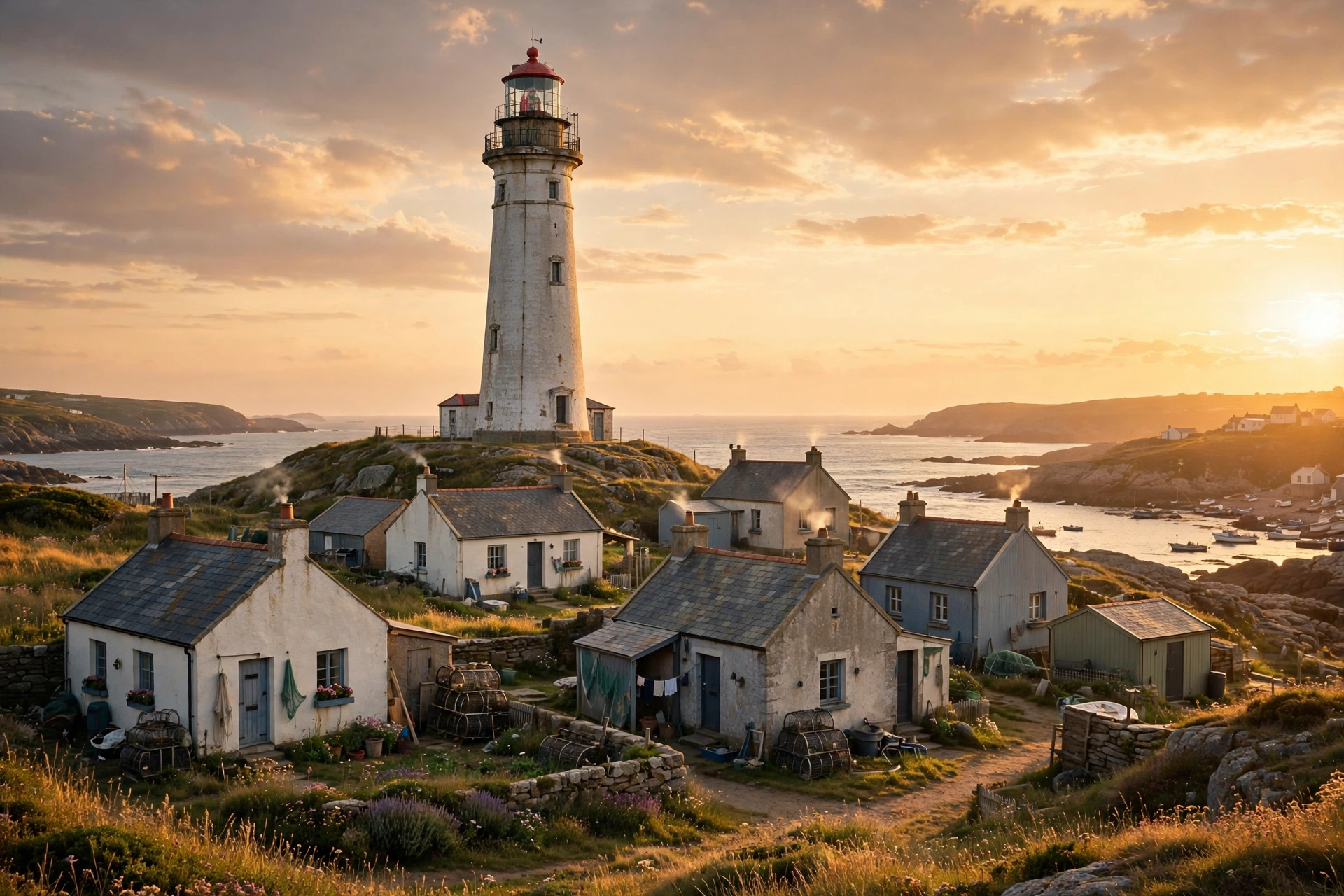
1. Tall like a lighthouse among cottages
Meaning: Head and shoulders above everyone nearby, and impossible to miss.
Example: The new goalkeeper stood tall like a lighthouse among cottages.
2. Her eyes were like two questions nobody could answer
Meaning: A gaze that makes everyone slightly curious and uneasy.
Example: She listened quietly, her eyes like two questions nobody could answer.
3. He smiled like the sun coming out for one person only
Meaning: Warmth with a specific address.
Example: When his daughter entered, he smiled like the sun coming out for one person only.
4. Voice like warm honey over gravel
Meaning: Sweetness and roughness in the same sound.
Example: The old singer’s voice was like warm honey over gravel.
5. Hair like a waterfall of ink
Meaning: Long, dark, and flowing without a single wave out of place.
Example: Her hair fell like a waterfall of ink down her back.
6. As quiet as a librarian’s secret
Meaning: Present, known, and never once raised.
Example: The shy intern was as quiet as a librarian’s secret.
7. Hands like maps of a working life
Meaning: Every line and scar telling where the years went.
Example: The carpenter held out hands like maps of a working life.
8. She moved like a dancer who hears music nobody else hears
Meaning: Grace with a private rhythm.
Example: Through the crowded market she moved like a dancer who hears music nobody else hears.
9. His temper was like a match — quick to light, quick to die
Meaning: Flare-ups measured in seconds, grudges in none.
Example: Nobody feared the boss; his temper was like a match — quick to light, quick to die.
Describing Places Similes
For rooms, streets, and whole cities.
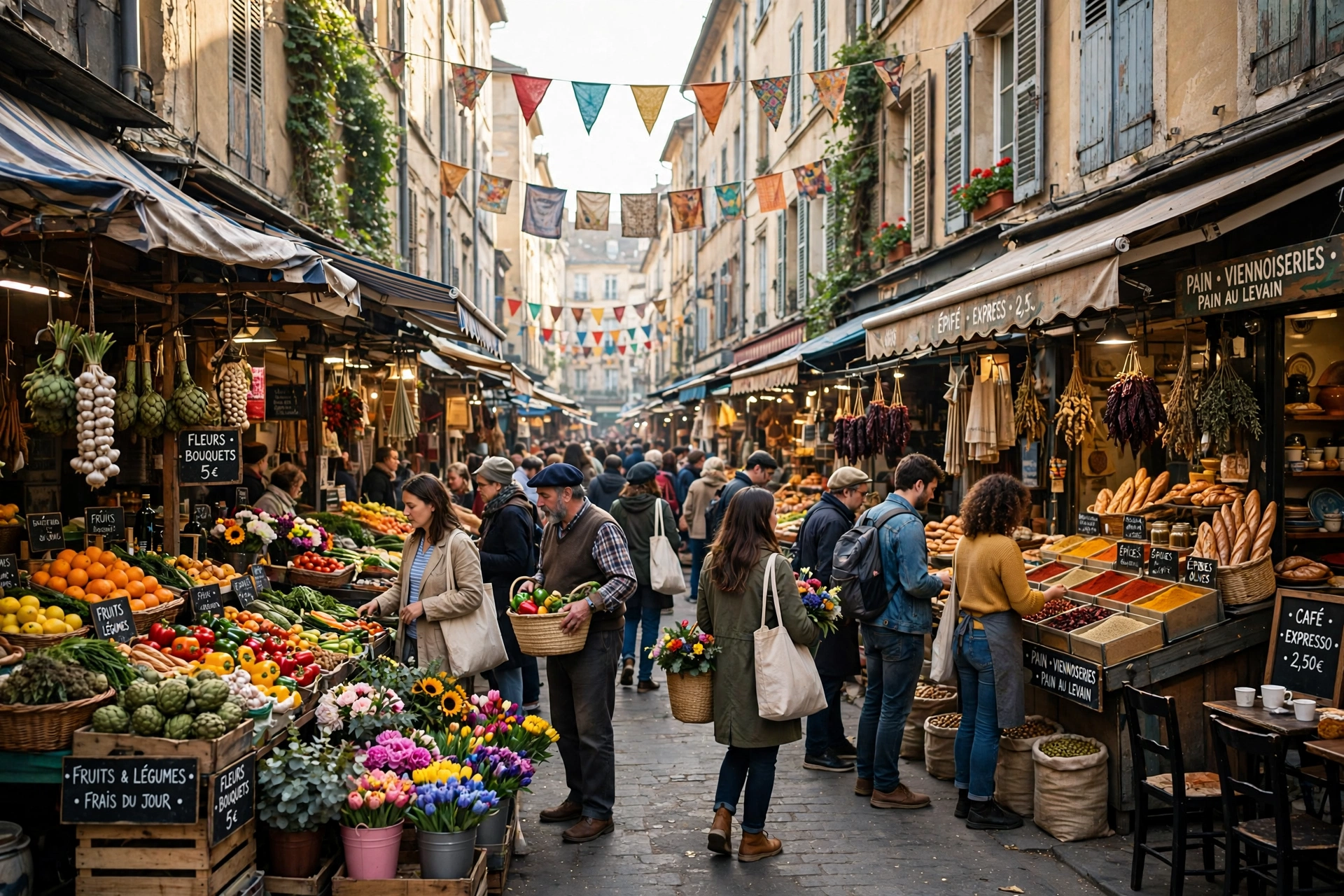
10. The room was like a held breath
Meaning: Tense, silent, and waiting for one sound to release it.
Example: Before the verdict, the room was like a held breath.
11. The city woke like a giant stretching
Meaning: Slow at first, then every limb in motion at once.
Example: From the hotel window, the city woke like a giant stretching.
12. The village slept like a cat in the sun
Meaning: Completely at peace, one eye not even slightly open.
Example: At noon the whole village slept like a cat in the sun.
13. The market buzzed like a hive that had heard good news
Meaning: Noise with happiness running through it.
Example: On festival morning, the market buzzed like a hive that had heard good news.
14. The street narrowed like a river entering a canyon
Meaning: Walls closing in and the pace forced to slow.
Example: Past the old gate, the street narrowed like a river entering a canyon.
15. The house stood like an old soldier at rest
Meaning: Dignified, weathered, and still somehow on duty.
Example: Above the port, the house stood like an old soldier at rest.
16. The garden bloomed like a firework frozen mid-burst
Meaning: Color exploding in every direction at once, held there.
Example: In April the garden bloomed like a firework frozen mid-burst.
17. The library was like a church for books
Meaning: Whispers, reverence, and high windows of light.
Example: Even the children lowered their voices; the library was like a church for books.
18. The airport hummed like a machine that never sleeps — it does not
Meaning: Activity at every hour, in shifts of strangers.
Example: At 3 a.m. the airport hummed like a machine that never sleeps — it does not.
Describing Nature and Weather Similes
For skies, seasons, and everything outdoors.
19. The sky turned like a page being flipped to evening
Meaning: One smooth motion from blue to amber to dark.
Example: Over the harbor, the sky turned like a page being flipped to evening.
20. Rain arrived like an audience applauding
Meaning: A sudden drumming on every surface at once.
Example: On the tin roof, rain arrived like an audience applauding.
21. The mountains rose like waves that decided to stay
Meaning: Peaks with the shape of water and the patience of stone.
Example: Beyond the lake, the mountains rose like waves that decided to stay.
22. Fog covered the town like a blanket tucked in by a careful mother
Meaning: Every corner reached, every edge softened.
Example: By dawn, fog covered the town like a blanket tucked in by a careful mother.
23. The river bent like a ribbon dropped by the wind
Meaning: Curves without a plan, following the easiest beauty.
Example: Through the valley, the river bent like a ribbon dropped by the wind.
24. Thunder rolled like barrels down a cellar stair
Meaning: Deep, wooden, and closer with every bounce.
Example: Somewhere beyond the hills, thunder rolled like barrels down a cellar stair.
25. Snow fell like the sky was shaking out a pillow
Meaning: Feathers of white, drifting rather than dropping.
Example: All afternoon, snow fell like the sky was shaking out a pillow.
26. The autumn leaves were like coins the trees were spending
Meaning: A fortune given away gladly, one handful at a time.
Example: October arrived, and the autumn leaves were like coins the trees were spending.
27. The sea breathed like a sleeping giant
Meaning: Slow swells with power behind every breath.
Example: From the cliff, the sea breathed like a sleeping giant.
Describing Feelings Similes
For the weather inside people.
28. Joy rose in her like bubbles in a glass of soda
Meaning: Light, fast, and impossible to hold down.
Example: Reading the acceptance letter, joy rose in her like bubbles in a glass of soda.
29. Fear sat in his stomach like a stone swallowed whole
Meaning: Heavy, cold, and going nowhere on its own.
Example: All through the interview, fear sat in his stomach like a stone swallowed whole.
30. Her sadness was like rain on a window — quiet, and distorting everything
Meaning: The world still visible, but never quite in focus.
Example: For weeks, her sadness was like rain on a window — quiet, and distorting everything.
31. Excitement buzzed in the class like a phone on silent in a drawer
Meaning: Suppressed energy everyone could feel anyway.
Example: Before the trip announcement, excitement buzzed in the class like a phone on silent in a drawer.
32. Relief washed over him like cool water after a long run
Meaning: Total, physical, and arriving all at once.
Example: When the doctor smiled, relief washed over him like cool water after a long run.
33. Loneliness felt like a room where the furniture had been removed
Meaning: The shape of home without anything that made it one.
Example: In the new city, loneliness felt like a room where the furniture had been removed.
34. Pride swelled in him like a sail catching wind
Meaning: Sudden fullness that immediately moves you forward.
Example: Watching his son graduate, pride swelled in him like a sail catching wind.
35. Guilt followed her like a second shadow
Meaning: Attached, silent, and longer in the evening light.
Example: She never spoke of the letter; guilt followed her like a second shadow.
36. Love grew between them like ivy — slowly, then all over the wall
Meaning: Unnoticed for a season, then suddenly covering everything.
Example: Nobody could say when it started; love grew between them like ivy — slowly, then all over the wall.
Describing Food and Objects Similes
For the everyday things your scenes are built from.
37. The soup steamed like a tiny volcano in a bowl
Meaning: Heat and aroma erupting gently upward.
Example: Placed before him, the soup steamed like a tiny volcano in a bowl.
38. The cake was like eating a sweet cloud
Meaning: Lightness first, flavor second, gone too soon.
Example: One bite confirmed it — the cake was like eating a sweet cloud.
39. The old car rattled like a toolbox on a staircase
Meaning: Every part announcing itself, none in agreement.
Example: Down our street each morning, the old car rattled like a toolbox on a staircase.
40. The phone battery died like a candle at the exact wrong moment
Meaning: Timing so bad it feels personal.
Example: Mid-directions in a strange city, the phone battery died like a candle at the exact wrong moment.
41. The suitcase was like a brick with a handle
Meaning: Weight completely disproportionate to size.
Example: She packed for two days; the suitcase was like a brick with a handle.
42. The coffee hit like a friendly slap
Meaning: A wake-up that means well.
Example: After the night shift, the first coffee hit like a friendly slap.
43. The sofa sank like a hug from an old friend
Meaning: Softness that accepts your whole weight and history.
Example: After the move, they collapsed; the sofa sank like a hug from an old friend.
44. The letter opener gleamed like a tiny sword
Meaning: A small object with ceremonial confidence.
Example: On the mahogany desk, the letter opener gleamed like a tiny sword.
45. The ice cream melted like it was in a hurry to become a memory
Meaning: Summer speed — enjoy now or wear it.
Example: In the July sun, the ice cream melted like it was in a hurry to become a memory.

Simile Starters for Any Description
Ten adaptable frames — swap in your own details to describe anything.
| Simile Starter | What It Describes | Example Finish |
|---|---|---|
| ___ stood like ___ | People, buildings | like an old soldier at rest |
| ___ moved like ___ | Motion, grace | like a dancer hearing private music |
| ___ sounded like ___ | Voices, weather | like warm honey over gravel |
| ___ felt like ___ | Feelings, textures | like cool water after a long run |
| ___ rose like ___ | Joy, mountains | like bubbles in a glass of soda |
| ___ covered everything like ___ | Fog, snow, silence | like a blanket tucked in carefully |
| ___ buzzed like ___ | Markets, excitement | like a hive with good news |
| ___ followed like ___ | Guilt, loyalty | like a second shadow |
| ___ melted like ___ | Ice cream, resistance | like it was in a hurry |
| ___ gleamed like ___ | Objects, eyes | like a tiny sword |
How to Use Similes for Describing in Writing
Describe with the reader’s own life. Your comparison only works if the second half of the simile — the lighthouse, the toolbox, the soda — is something the reader has already seen. The more ordinary the object, the more extraordinary the description feels.
One simile per feature. Eyes get one, voice gets one, walk gets one. Stacking three comparisons on the same nose makes the reader see the comparisons instead of the nose.
Use the template table above when you are stuck: pick the verb that matches your subject (stood, moved, sounded, felt), then finish the frame with an image from the room you are actually in.
Common Mistakes to Avoid When Describing with Similes
Descriptive writing fails in predictable ways — here are the big five.
1. Describing with adjectives instead of pictures
“Very beautiful,” “extremely tall,” and “really old” are claims, not descriptions. Tall like a lighthouse is a description; the reader builds it instantly.
2. Comparing something to another vague thing
“Sad like a feeling of loss” compares fog to fog. The second half of a simile must be concrete — rain on a window, a stone in the stomach, an emptied room.
3. Using a comparison the reader cannot picture
Obscure references (“like the third moon of a distant planet”) leave readers outside the sentence. Save exotic images for poetry that can afford the explaining.
4. Describing everything with the same intensity
If the soup, the sofa, and the sunset all receive volcanic similes, the actual volcano in chapter nine has nothing left. Budget your biggest images for your biggest moments.
5. Forgetting the sense that matters most
A market description needs sound (buzzing) and smell; a winter description needs temperature. Match the simile to the sense your scene is really about.
Frequently Asked Questions
What is a good simile to describe a person?
“Tall like a lighthouse among cottages,” “voice like warm honey over gravel,” and “hands like maps of a working life” describe appearance, sound, and character in single strokes.
How do you describe a place with a simile?
Give the place a posture or a mood: a city waking like a giant stretching, a library like a church for books, a room like a held breath.
What is a simile to describe happiness?
“Joy rose like bubbles in a glass of soda” and “pride swelled like a sail catching wind” both show happiness as something physically rising.
How can I describe something if I cannot think of a simile?
Use the starter frames: “___ felt like ___,” “___ sounded like ___,” “___ moved like ___” — then finish with the most ordinary object in front of you.
What is the difference between describing with a simile and a metaphor?
A simile says the room was LIKE a held breath; a metaphor says the room WAS a held breath. Similes are gentler and clearer for descriptive prose.
Can I use these descriptive similes in essays and stories?
Yes — one per feature, matched to the dominant sense of the scene, and your descriptions will read like pictures instead of labels.
Final Thought
Describing is the writer’s core job, and the simile is its finest tool: two ordinary things, compared once, and suddenly the reader can see. Keep your images concrete, your comparisons fresh, and no scene will ever be “nice” again.

The PublishScales Editorial Team researches and writes clear, original guides to similes and figurative language.