
The best similes for waking up solve the small problem every story with a morning in it faces: how do you wake a character up interestingly? The Merriam-Webster entry for wake tells us waking means emerging from sleep, but it cannot tell you whether your character rises like a sunflower or gets dragged out of bed like a bear from its cave.
That difference is the character. Waking-up similes are a shortcut to personality: the groggy zombie, the jack-in-the-box early riser, and the weekend tide coming in slowly each tell the reader who this person is before they speak a word.
Below you will find 45 similes for waking up in five groups — sleepy and groggy wakes, sudden startled wakes, happy refreshed wakes, funny wakes, and gentle slow wakes — and every simile comes with a simple meaning.
Choose by the morning your scene needs: the battery for the reluctant, the sunflower for the joyful, cold water for the shocked, and rising dough for the slow Sunday start.
Waking up has a partner piece — fall back the other way with our similes for sleep.
Sleepy and Groggy Wakes
For the heavy-eyed majority of humanity — waking up as a slow negotiation with consciousness.
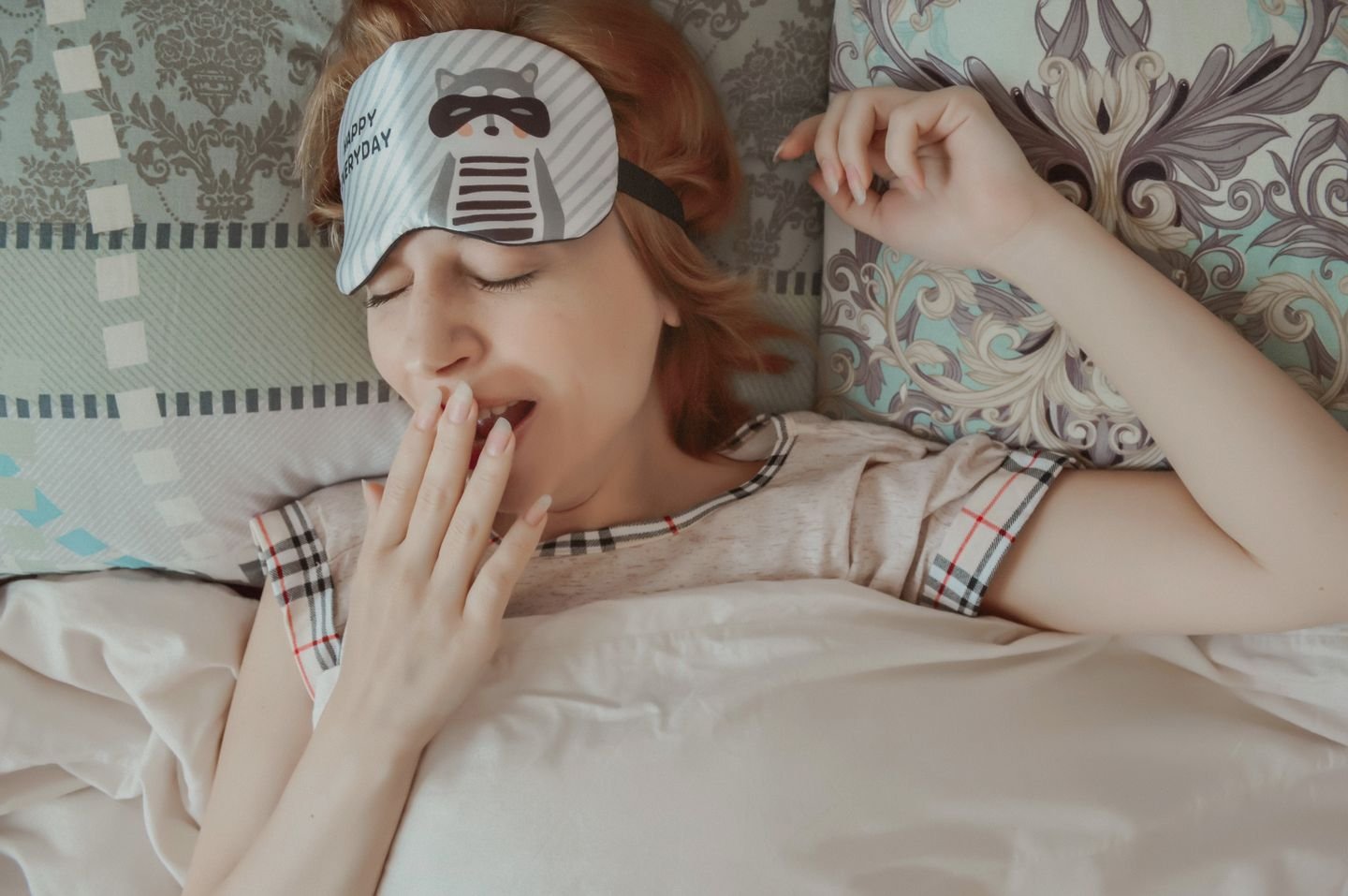
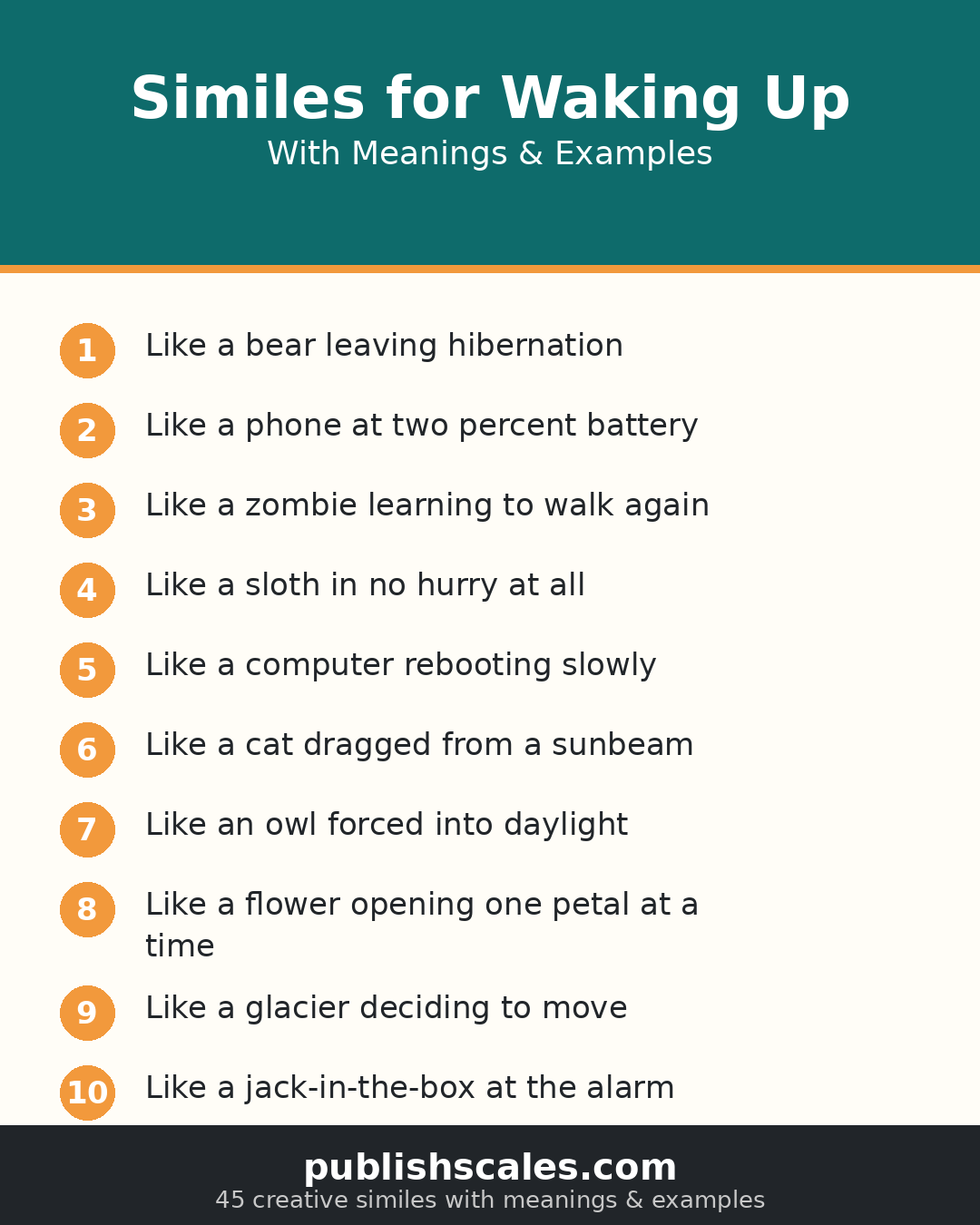
Like a bear leaving hibernation
Waking slowly, heavily, and slightly dangerous before food — the classic groggy simile.
Like a phone at two percent battery
Technically awake, but every function is dimmed and nothing should be asked of it yet.
Like a zombie learning to walk again
Shuffling, unfocused waking with arms and brain not yet coordinating.
Like a sloth in no hurry at all
Waking at nature’s slowest setting, one limb at a time.
Like a computer rebooting slowly
Systems coming online one by one, with long pauses between them.
Like a cat dragged from a sunbeam
Deeply unwilling waking, performed under protest.
Like an owl forced into daylight
A night creature blinking miserably at a world scheduled by others.
Like a flower opening one petal at a time
Gentle but genuinely slow waking, beautiful if you are not in a rush.
Like a glacier deciding to move
Waking so gradual that witnesses check twice to confirm progress.
Sudden and Startled Wakes
For alarms, crashes, and bad news — the mornings that begin at full speed.
Like a jack-in-the-box at the alarm
Bolting upright the instant the sound hits — comedy in one image.
Like a soldier at the bugle
Instant, trained waking: feet on the floor before the eyes fully open.
Like a cat hearing the treat bag
Suspiciously fast waking when the sound promises something good.
Like a deer at a snapped branch
Waking straight into alertness, heart first and questions later.
Like cold water finding your face
The shock-wake: total consciousness in under a second.
Like toast popping up
A cheerful little startle — up, golden, and ready.
Like a firework going off inside a dream
A sudden blast that scatters sleep in every direction.
Like a pilot at the red alert
Waking into responsibility: no grogginess permitted.
Like a swimmer breaking the surface
Coming up out of deep sleep gasping for the real world.
Happy and Refreshed Wakes
The mornings people wish for — waking as renewal rather than rescue.
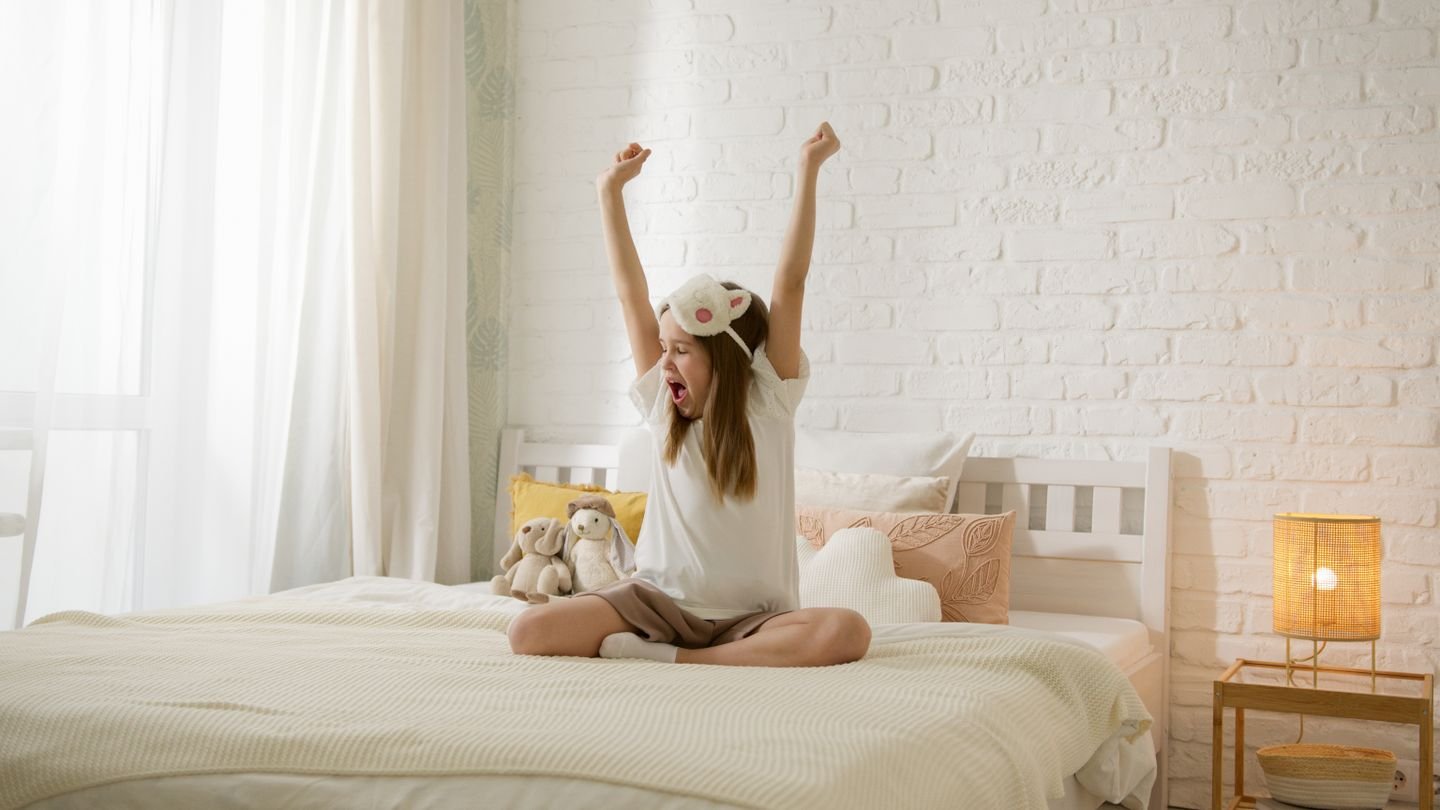
Like a sunflower greeting the sun
Turning naturally toward the light, built for mornings.
Like a bird’s first song
Waking with music already in it; the day starts cheerful.
Like a window opening to spring
Fresh air and new season entering all at once.
Like a battery finally full
Completely restored — the green light of a good night’s sleep.
Like a child on a holiday morning
Waking delighted, before remembering any reason not to be.
Like a hero at sunrise
The cinematic wake: rested, resolved, and ready for the plot.
Like a fresh page in a new notebook
Waking clean and unwritten, full of intention.
Like a rooster with good news
Early, loud, and entirely pleased about it.
Like a garden gate swinging open
Waking as an invitation into a good day.
Funny Waking Up
Handle with affection: these are for characters — and relatives — whose mornings are a spectator sport.
Like a vampire at sunrise
Waking as surrender: hissing optional, blanket-cape mandatory.
Like a teenager on a school morning
The internationally recognized slowest life form before 9 a.m.
Like a bear who set five alarms
A creature that planned to wake and negotiated its way out of all five.
Like a detective dragged out of retirement
Grumpy, mumbling that this is the last case, awake anyway.
Like a cat being moved off a keyboard
Offended waking, with dramatic sighing and immediate plans to return.
Like a sloth who entered a race by mistake
Awake, moving, and baffled by everyone’s hurry.
Like Monday wearing your face
Waking up already tired on behalf of the whole week.
Like a mummy at the spa
Ancient, stiff, and only technically rejuvenated.
Like a phone begging for one more charge
The snooze-button philosophy: five more minutes, forever.
Gentle and Slow Wakes
For weekends, holidays, and mornings with nowhere to be — waking as weather rather than event.
Like a tide coming in
Waking so gradually that nobody can name the moment it happened.
Like a kettle warming slowly
Consciousness heating from the bottom up, unhurried.
Like dough rising in a warm kitchen
Slow, soft expansion into the day — comfort itself.
Like a village waking house by house
One window, one yawn, one kettle at a time.
Like sunrise negotiating with the curtains
Light arriving in stages, winning politely.
Like a stream remembering how to flow
Movement returning little by little after stillness.
Like a yawn travelling through a house
Waking contagiously, passed gently from room to room.
Like a butterfly leaving the cocoon
The poetic standard: slow transformation into a new day.
Like a book’s first page turning
A quiet beginning that promises a whole story.
Quick Reference: Similes for Waking Up at a Glance
These ten wake best on the page — the ones readers remember and reuse:
| Simile | Best For |
|---|---|
| Bear from hibernation | Heavy, groggy, slightly dangerous waking. |
| Two percent battery | Modern dimness: awake, barely functional. |
| Jack-in-the-box | The alarm-clock bolt upright. |
| Sunflower | Joyful, natural morning energy. |
| Holiday-morning child | Pure delighted waking. |
| Five-alarms bear | Snooze-button comedy. |
| Cold water | Shock waking in one second flat. |
| Rising dough | Slow, warm, comfortable weekend starts. |
| Butterfly and cocoon | The poetic transformation wake. |
| Full battery | Completely rested and restored. |
How to Use Waking Up Similes in Writing
In stories, a waking-up simile is the cheapest character introduction you will ever write: give your hero the soldier’s bugle and the reader expects discipline for three hundred pages; give your comic sidekick the five-alarms bear and no explanation is ever needed again. Match the wake to the personality, and let later scenes prove the simile right.
In personal writing — diaries, morning pages, memoirs — the gentle family carries honesty best: tides, dough, and villages admit slowness without shame. One true wake simile at the start of a reflective piece sets its pace for everything that follows.
Common Mistakes to Avoid with Waking Up Similes
Giving every character the same grumpy wake
Mornings have range: soldiers, sunflowers, vampires, and tides. If all your characters wake as zombies, the zombie tells the reader nothing.
Leaning on the alarm clock for every morning scene
The alarm is furniture, not a simile. Replace ‘the alarm dragged her out’ with one image of HOW she woke, and the scene doubles in life.
Dropping horror images into gentle writing
Vampires and zombies are funny in comic pieces but will bruise a tender morning scene in a children’s story or a memoir.
Forgetting the body
Real waking is physical: stretches, yawns, cold floors. Similes with bodies in them — bears, sloths, cats — beat abstract ones about ‘consciousness returning.’
Using sleep similes by accident
Waking and sleeping pull in opposite directions; a drifting-cloud image belongs to falling asleep. Check the direction of every morning image.
Frequently Asked Questions
What are the best similes for waking up?
Favourites are “like a bear leaving hibernation” for grogginess, “like a sunflower greeting the sun” for happy mornings, and “like a tide coming in” for the slowest, gentlest starts.
What is a funny simile for waking up?
“Like a bear who set five alarms” and “like a teenager on a school morning” get the laugh every time — both describe negotiations everyone recognizes.
How do I describe a character waking up suddenly?
Use shock and speed: cold water, the jack-in-the-box, the deer at a snapped branch. One short simile plus one short sentence keeps the jolt intact.
What is a good waking-up simile for kids’ stories?
Toast popping up, the sunflower, and the holiday-morning child are warm, visual, and easy to act out in a classroom.
What simile describes a slow weekend wake-up?
“Like dough rising in a warm kitchen” — it is cozy, unhurried, and makes the whole room smell like morning.
Can waking-up similes start an essay?
Beautifully. An opening like “I wake like a phone at two percent battery” tells a personal essay’s whole story about modern tiredness in nine words.
Final Thought
How a person wakes is who they are before the day talks them into being someone else. Pick the bear, the sunflower, or the incoming tide to match your character — or your own Monday — and your morning scene will be awake long before the coffee arrives.

The PublishScales Editorial Team researches and writes clear, original guides to similes and figurative language.


