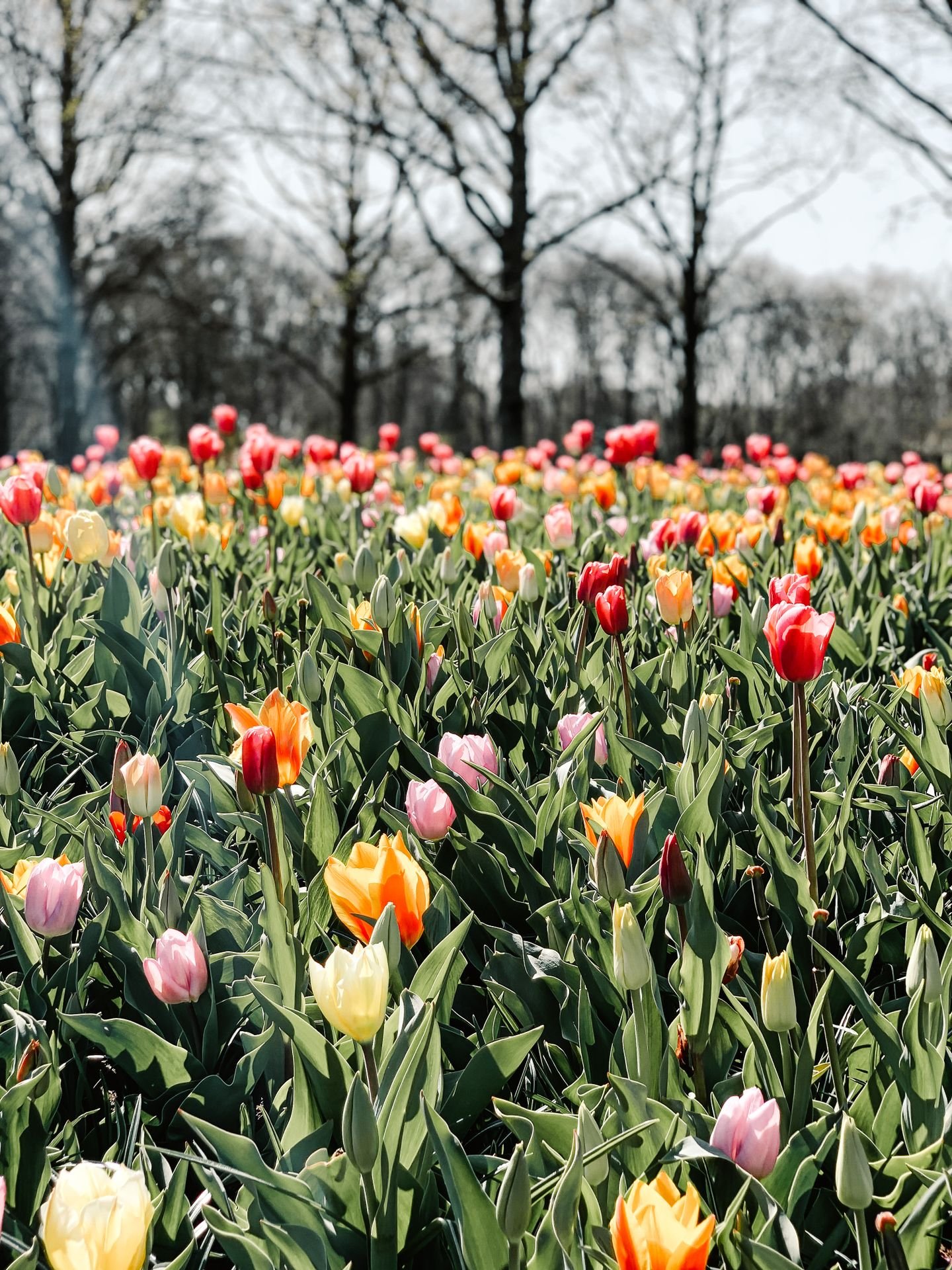
Writers have praised flowers for centuries, and poets still reach for them daily. Their colour, scent, and brief lives make them perfect comparison material. Therefore, good similes for flowers can lift a plain description instantly. Writers often pair them with similes for butterflies to complete a garden scene. After all, both images suggest beauty that refuses to stay still.
Flowers can praise a face, honour a lover, or mourn a loss. In addition, each species carries its own mood and message. Roses suggest romance, while lilies suggest purity and peace. Meanwhile, sunflowers stand for loyalty, warmth, and stubborn hope. As a result, one flower simile can set a whole scene’s tone.
This guide collects forty-five similes for flowers in five handy groups. You will find beauty, love, spring, fragility, and garden scent. Moreover, every simile comes with a meaning and a clear example. A comparison table and practical writing tips follow the lists. In short, you can borrow any line and use it today.

What Do Flowers Mean in Writing?
Flowers carry meaning far beyond their colour and shape. Above all, they stand for beauty that everyone recognises at once. However, writers also use them for love in all its stages. A bud can suggest young love, still shy and unopened. In contrast, a full bloom suggests love at its brightest moment.
Fragility is the third great theme in flower writing. Petals bruise easily, and blooms fade within days. Therefore, flowers remind readers that lovely things rarely last forever. Finally, spring flowers promise new beginnings after cold, dark months. Overall, these four meanings explain why similes for flowers never grow old.
Similes for Flowers and Beauty
Beauty comes first, because flowers greet the eye before anything else. These images praise faces, gardens, and moments that shine.
As pretty as a rose in bloom
Meaning: This classic simile praises beauty at its fullest and most confident moment. In addition, roses carry romance, so the compliment feels warm too.
Example: Dressed for the wedding, Sara looked as pretty as a rose in bloom.
As bright as a sunflower at noon
Meaning: Sunflowers turn toward light, so this image suggests open, glowing cheerfulness. Moreover, it suits people whose smiles light up a room.
Example: Her grin was as bright as a sunflower at noon in summer.
Like a peony opening in spring light
Meaning: Peonies unfold slowly into rich, layered blooms of great softness. Therefore, this simile suits beauty that reveals itself gradually and generously.
Example: Her confidence grew like a peony opening in spring light, layer by layer.
As fresh as a daisy after rain
Meaning: Daisies suggest innocence, cleanliness, and simple natural charm. In short, this simile praises beauty that needs no decoration at all.
Example: After her morning walk, she looked as fresh as a daisy after rain.
As lovely as a violet in the grass
Meaning: Violets bloom low and shy, often hidden beneath larger plants. Consequently, this image praises quiet beauty that modest people overlook daily.
Example: Her kindness made her as lovely as a violet in the grass.
Like a lily standing in still water
Meaning: Lilies stand tall and pure above calm, reflective water. As a result, this simile suits calm dignity rather than flashy glamour.
Example: The bride stood like a lily standing in still water, calm and radiant.
As cheerful as a marigold in sunshine
Meaning: Marigolds glow in gold and orange through the hottest weeks. Still, their real gift is cheerfulness that survives difficult weather.
Example: His welcome was as cheerful as a marigold in sunshine at the gate.
As graceful as a tulip in the breeze
Meaning: Tulips bend without breaking when spring winds push against them. Similarly, this simile praises elegance that stays flexible under pressure.
Example: The dancer crossed the stage, as graceful as a tulip in the breeze.
Like a blossom crowned with dew
Meaning: Morning dew makes any blossom sparkle like a small jewel. Above all, this image suits fresh beauty at the very start of day.
Example: Her cheeks glowed like a blossom crowned with dew after sunrise.
Similes for Flowers in Love and Romance
Lovers have exchanged flowers for centuries, so romance owns many images here. The similes for flowers below range from first love to lifelong devotion.
As tender as a rose given in love
Meaning: A gifted rose carries hope, risk, and a beating heart. Therefore, this simile describes affection offered gently and with real feeling.
Example: His apology was as tender as a rose given in love at dawn.
Like a bouquet offered with a promise
Meaning: A bouquet gathers many blooms into one hopeful message. In addition, the promise behind it matters more than the flowers themselves.
Example: She accepted his words like a bouquet offered with a promise, smiling shyly.
As soft as petals on a wedding morning
Meaning: Scattered petals traditionally bless weddings with beauty and good luck. As a result, this simile suits gentle love at its happiest start.
Example: Their first morning together felt as soft as petals on a wedding morning.
As sweet as jasmine on a summer night
Meaning: Jasmine releases its strongest scent after the sun goes down. Moreover, lovers link that fragrance with longing and sweet secrecy.
Example: Her laughter drifted over, as sweet as jasmine on a summer night.
Like a forget-me-not pressed in a letter
Meaning: Pressed flowers keep a moment alive long after it ends. In short, this simile suits love that distance cannot quite erase.
Example: He kept her photograph like a forget-me-not pressed in a letter, always close.
As rare as a rose in winter
Meaning: Roses rarely bloom in winter, so they suggest precious, unexpected love. Consequently, writers use this image for love found against all odds.
Example: His loyalty proved as rare as a rose in winter, steady and surprising.
As devoted as a sunflower to the sun
Meaning: Sunflowers famously turn their faces to follow the moving sun. Similarly, this simile praises love that stays loyal through every season.
Example: She stayed beside him, as devoted as a sunflower to the sun.
Like blossoms opening for a first kiss
Meaning: Opening blossoms suggest shyness giving way to trust and joy. Above all, this image captures the nervous brightness of new romance.
Example: Their smiles met like blossoms opening for a first kiss in May.
As gentle as lilies on an altar
Meaning: Altar lilies stand for purity, reverence, and quiet devotion. Therefore, this simile suits love that feels sacred, calm, and deeply respectful.
Example: He held her hand, as gentle as lilies on an altar at Easter.

Similes for Flowers in Spring and New Beginnings
Spring turns every garden into a lesson about starting again. Therefore, these images suit fresh starts, recovery, hope, and young ambition.
Like the first crocus through the snow
Meaning: Crocuses push through melting snow before other flowers dare appear. As a result, this simile celebrates brave, early hope in hard times.
Example: Her recovery began like the first crocus through the snow, small but certain.
As hopeful as buds on a bare branch
Meaning: Buds promise leaves and blossom while branches still look dead. In fact, they teach readers to trust quiet, hidden progress.
Example: His new business felt as hopeful as buds on a bare branch.
Like cherry blossom after a long winter
Meaning: Cherry blossom arrives suddenly and turns whole streets pink overnight. Moreover, its beauty reminds everyone that waiting finally brings its reward.
Example: Good news spread like cherry blossom after a long winter through town.
As new as shoots in dark soil
Meaning: Green shoots prove that life continues unseen below the surface. In short, this simile suits beginnings too small for others to notice.
Example: Her idea was as new as shoots in dark soil, fragile but alive.
Like daffodils nodding in March wind
Meaning: Daffodils return each spring with bright, unbothered good humour. Consequently, writers use them for cheerful restarts and everyday resilience.
Example: The children returned like daffodils nodding in March wind, laughing and bright.
As fresh as primroses by a stream
Meaning: Primroses bloom early beside cool, running water in shady places. Still, their pale colour carries a clean and hopeful freshness.
Example: The renovated cottage looked as fresh as primroses by a stream in April.
Like a garden waking after frost
Meaning: A waking garden stirs slowly, with one green sign after another. Therefore, this simile suits recovery that happens gently, not overnight.
Example: After grief, her heart stirred like a garden waking after frost.
As sudden as poppies in a ploughed field
Meaning: Poppies appear almost overnight where soil has been freshly turned. Above all, they suit bright beginnings born from disruption and hard work.
Example: New cafés opened, as sudden as poppies in a ploughed field downtown.
Like seeds breaking open in spring rain
Meaning: Seeds must split apart before any new life can escape. In other words, this simile honours beginnings that start with a small breaking.
Example: His courage grew like seeds breaking open in spring rain, quietly determined.
Similes for Flowers That Feel Delicate and Fragile
Not every flower image celebrates strength or lasting beauty. Instead, these similes for flowers honour softness, brevity, and things easily harmed.
As delicate as a petal in the wind
Meaning: A loose petal tears, bruises, or blows away within seconds. Therefore, this simile suits anything lovely that needs very careful handling.
Example: Her health remained as delicate as a petal in the wind all winter.
Like a blossom bruised by one touch
Meaning: White blossoms show brown marks after even gentle handling. In addition, the image warns that careless words can damage gentle people.
Example: His confidence faded like a blossom bruised by one touch of criticism.
As fragile as a snowdrop in frost
Meaning: Snowdrops look brave, yet hard frost can flatten them overnight. Consequently, this simile suits hopeful things that remain terribly vulnerable.
Example: Their truce stayed as fragile as a snowdrop in frost that January.
As brief as cherry blossom on the branch
Meaning: Cherry blossom lasts barely a week before the petals fall. In short, writers use it for beauty that vanishes almost immediately.
Example: Fame proved as brief as cherry blossom on the branch for him.
Like petals scattered by a passing storm
Meaning: Storms strip a tree of blossom long before its season ends. Moreover, the image suits plans or joys destroyed by sudden trouble.
Example: Their savings vanished like petals scattered by a passing storm last year.
As tender as a bud before it opens
Meaning: An unopened bud holds all its beauty folded and untested. As a result, this simile suits young feelings that need protection.
Example: Her ambition was as tender as a bud before it opens, still growing.
Like a flower wilting without water
Meaning: A thirsty flower droops quickly and loses colour within hours. Similarly, this simile describes energy or love neglected for too long.
Example: Without praise, his enthusiasm soon drooped like a flower wilting without water.
As light as a petal on water
Meaning: A floating petal rests gently, held up by the surface alone. Still, one ripple can sink or sweep it away forever.
Example: Her worries sat as light as a petal on water that morning.
Like a bloom fading by evening
Meaning: Some flowers open at dawn and close forever by dusk. Finally, this simile gives writers a graceful image for quiet endings.
Example: The festival excitement faded like a bloom fading by evening, gently away.
Similes for Flowers, Scents and Gardens
Gardens delight the nose as much as the eye itself. In addition, scent travels invisibly, so it suits memory, mood, and atmosphere.
As fragrant as roses after rain
Meaning: Rain deepens the scent of roses and carries it farther. Therefore, this simile suits sweetness that grows stronger after hardship.
Example: The old garden smelled as fragrant as roses after rain in June.
Like lavender drifting across a warm field
Meaning: Lavender scent drifts on warm air and calms everyone nearby. In short, writers use it for peace that spreads without effort.
Example: Calm spread through the house like lavender drifting across a warm field.
As sweet as honeysuckle by a garden gate
Meaning: Honeysuckle greets visitors with sweetness before they even enter. Moreover, it suits welcomes, homecomings, and friendly country places.
Example: Grandmother’s hug felt as sweet as honeysuckle by a garden gate.
Like jasmine scenting the whole street
Meaning: One jasmine plant can perfume an entire street at night. Consequently, this simile suits small causes with surprisingly wide effects.
Example: Her kindness spread like jasmine scenting the whole street, touching every neighbour.
As rich as a rose garden in June
Meaning: June rose gardens offer colour, scent, and abundance all together. Above all, this simile suits scenes of generous, overflowing beauty.
Example: The hall looked as rich as a rose garden in June, blooming everywhere.
Like lilacs filling a quiet room
Meaning: Cut lilacs release a strong, nostalgic fragrance indoors. After all, their scent often reminds people of childhood homes and grandmothers.
Example: The memory returned like lilacs filling a quiet room, sweet and sudden.
Like a cottage garden in full bloom
Meaning: Cottage gardens mix colours freely without strict order or rules. Similarly, this simile suits joyful variety and comfortable, cheerful disorder.
Example: Her bookshelf looked like a cottage garden in full bloom, bright and jumbled.
As peaceful as a garden at dawn
Meaning: Dawn gardens feel hushed, cool, and untouched by daily noise. Therefore, writers use this image for rest, prayer, and quiet recovery.
Example: After the storm, the village seemed as peaceful as a garden at dawn.
Like wildflowers colouring a whole hillside
Meaning: Wildflowers spread freely, turning ordinary hills into bright patchwork. Finally, this simile celebrates beauty that belongs to everyone, not one gardener.
Example: Posters appeared like wildflowers colouring a whole hillside across the small town.
Quick Comparison Table
The table below matches ten favourite similes for flowers to their uses. In short, it helps you choose the right image quickly.
| Simile | Best For | Tone |
|---|---|---|
| As pretty as a rose in bloom | Romantic compliments | Warm |
| As bright as a sunflower at noon | Cheerful characters | Joyful |
| As tender as a rose given in love | Love scenes | Romantic |
| Like the first crocus through the snow | Hope and recovery | Brave |
| As hopeful as buds on a bare branch | New beginnings | Gentle |
| As delicate as a petal in the wind | Fragile health or feelings | Tender |
| As brief as cherry blossom on the branch | Short-lived beauty | Bittersweet |
| As fragrant as roses after rain | Gardens and memory | Sweet |
| As peaceful as a garden at dawn | Quiet scenes | Calm |
| Like wildflowers colouring a whole hillside | Crowds and celebrations | Free |

How to Use Flower Similes in Writing
Good similes for flowers work best when writers place them carefully. The five tips below keep your flower imagery fresh and believable.
Match the Flower to the Feeling
Each flower carries a ready-made mood in readers’ minds. Roses speak of love, while poppies suggest remembrance and sleep. Therefore, choose the species before you choose the comparison itself. A wrong flower can confuse readers and weaken your whole scene.
Use One Strong Image Per Scene
One clear simile stays in the reader’s memory for pages. However, five flower images together quickly turn into a confusing bouquet. Instead, pick the single bloom that fits your moment best. Then give that image room to work without competition.
Appeal to Scent as Well as Sight
Flowers offer fragrance, texture, and colour, not vision alone. For example, jasmine can carry a love scene without any description. In addition, scent triggers memory faster than almost any other sense. Consequently, one fragrant simile can unlock a character’s whole past.
Borrow the Season for Extra Meaning
Spring blooms suggest beginnings, while autumn flowers suggest endings. Meanwhile, a winter rose gains power simply by blooming off-season. Therefore, mention the season when it quietly strengthens your image. Readers feel that extra meaning without needing any explanation.
Keep the Comparison Believable
A simile works when readers can picture both sides easily. After all, nobody believes a wrestler described as a delicate violet. Instead, match size, mood, and setting to your subject carefully. Believable similes for flowers always respect the character they describe.
Common Mistakes to Avoid with Flower Similes
Even lovely images can fail when writers handle them carelessly. The five mistakes below appear in drafts again and again.
Repeating the Rose for Everything
Roses appear in thousands of poems, cards, and love songs already. As a result, readers skim them without picturing anything at all. Instead, try violets, marigolds, or primroses for a fresher effect. Variety keeps your similes for flowers alive on the page.
Mixing Too Many Flowers Together
A sentence holding roses, lilies, and tulips confuses every reader. Each flower pulls the picture in a different direction at once. Consequently, the scene smells sweet but shows nothing clearly. Choose one bloom and describe that bloom well.
Forgetting That Flowers Fade
Writers sometimes use blooms for eternal strength or permanence. However, real flowers bruise, wilt, and drop their petals quickly. That fragility is exactly what makes them powerful in writing. Therefore, respect their short lives instead of fighting them.
Using Flowers for the Wrong Character
A battle-hardened general rarely suits a shy violet comparison. In contrast, the same violet suits a quiet, overlooked heroine perfectly. Mismatched images make readers laugh in serious scenes by accident. Always test the flower against the character’s true nature first.
Explaining the Simile Afterwards
Some writers add a sentence translating their own flower image. That explanation signals doubt and drains the comparison of power. Instead, trust readers to feel the meaning for themselves. Strong similes for flowers need no footnote or extra apology.

Frequently Asked Questions
What is a good simile for flowers?
As pretty as a rose in bloom remains the most loved choice. However, fresher options include daisies after rain and blossoms crowned with dew. Overall, the best similes for flowers match your scene and mood exactly.
Which flower simile suits a beautiful woman?
Writers often choose roses, lilies, or peonies for female beauty. For example, a lily suggests calm purity, while a peony suggests richness. In addition, a violet suits quiet beauty that others overlook.
How do I describe a garden with similes?
Match each garden corner to one clear, simple picture. A rose garden in June suggests richness and generous abundance. Similarly, wildflowers on a hillside suggest freedom, colour, and cheerful disorder.
Can flower similes work in sad writing?
Yes, flowers suit grief because their beauty fades so quickly. Petals scattered by a storm can picture lost happiness or broken plans. Moreover, wilting blooms show neglect, illness, or love slowly dying.
What does a rose symbolise in similes?
Roses usually symbolise love, beauty, and strong romantic feeling. Still, their thorns can also warn readers about hidden pain. Therefore, rose similes often carry sweetness and danger together.
How many flower similes should a poem use?
One or two strong images usually serve a short poem best. Finally, repetition of one flower can bind a longer poem together beautifully. Above all, quality always beats quantity in figurative writing.
Final Thought
Flowers bloom briefly, yet writers return to them every single spring. Their colour, scent, and fragility mirror human feelings with unusual honesty. Therefore, similes for flowers will keep helping poets, novelists, and letter writers. Choose one bloom, picture it clearly, and let it speak.
In the end, a single well-chosen flower can carry a whole scene. It can praise beauty, confess love, or promise a fresh beginning. Above all, it reminds readers that lovely moments deserve careful words. Plant your comparisons wisely, and your writing will keep blooming.
Flowers rarely appear alone in a scene. To describe one bloom in detail, see similes for roses, and for the garden around it, try similes for a tree.>
The PublishScales Editorial Team researches and writes clear, original guides to similes and figurative language.